

Blog
What Is the Best Coenzyme Q10 Powder for Bulk Buyers?
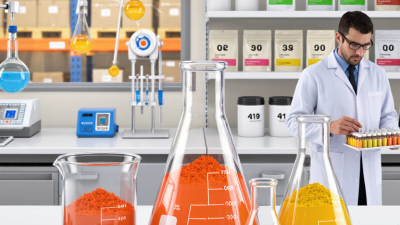
For bulk buyers, choosing the best Coenzyme Q10 Powder is not simply a price comparison. It requires evidence, consistency, and a clear understanding of manufacturing quality. Buyers should examine the active form, assay value, particle size, solubility, stability data, and intended application. Ubiquinone and ubiquinol may serve different formulation goals, so the specification must match the final product.
Details matter.
A reliable supplier should provide batch-specific certificates of analysis, heavy-metal testing, microbiological results, allergen statements, and documented traceability. GMP compliance is important, but it should not replace independent verification. Packaging also deserves attention. A poorly sealed liner, excess oxygen, or warehouse heat can reduce powder quality before production begins.
Dr. Peter H. Langsjoen, a recognized Coenzyme Q10 researcher and cardiologist, has said, “Coenzyme Q10 is an essential nutrient for cellular energy production.” This perspective explains why identity and potency testing matter to professional buyers. The powder must perform consistently, not merely appear acceptable on paper.
Still, no supplier is perfect.
A strong evaluation should include sample testing, production records, stability information, and communication during quality investigations. Buyers may also compare water-dispersible grades, carrier systems, and particle engineering. These features can improve handling, but they may raise cost or introduce additional formulation considerations. The best choice depends on dosage format, market requirements, storage conditions, and purchasing volume.
This guide explores those factors carefully. It also questions common assumptions, including whether the lowest quotation represents genuine value. A cheaper material may create higher costs through poor flow, inconsistent potency, rejected batches, or delayed delivery. Reliable sourcing takes time, yet it protects both product performance and customer trust.
Read more »
 By:Ethan
- September 29, 2026
By:Ethan
- September 29, 2026
How to Buy High Quality Turmeric Powder Extract?
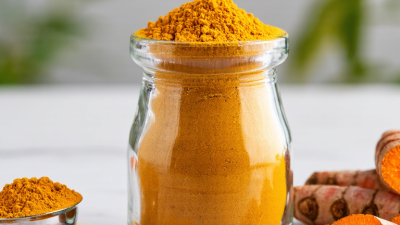
Buying high-quality Turmeric Powder Extract starts with a simple question: what is actually in the powder? The answer should be visible in a specification sheet, not inferred from a bright yellow label. Check the botanical name, plant part, extraction method, carrier ingredients, and batch-specific test results. A stated curcuminoid percentage is useful, but it does not tell the whole story. Identity, contaminants, moisture, and consistency matter too. Small details count.
Market figures help explain why careful comparison matters. Grand View Research estimated the global turmeric market at about US$5.8 billion in 2022 and projected a 6.7% compound annual growth rate from 2023 to 2030. That figure covers turmeric broadly, not extract alone, so it should not be mistaken for an extract-quality measure. Growth can bring more choices. It can also make vague claims harder to assess.
Botanical quality specialist Dr. Roy Upton, founder of the American Herbal Pharmacopoeia, has emphasized the importance of reliable botanical identity and quality standards. His work points buyers toward a practical habit: ask for evidence tied to the specific lot. Look for a certificate of analysis from a qualified laboratory, and verify whether it reports identity, curcuminoids, and relevant contaminants. If a supplier cannot explain its test methods, pause. A polished certificate can still leave questions. There is no perfect shortcut; even a good specification deserves a careful read.
Read more »
 By:Liam
- September 24, 2026
By:Liam
- September 24, 2026
How to Choose Chondroitin Sulphate Powder?
Choosing Chondroitin Sulphate Powder requires more than comparing prices or reading a bold purity claim. The powder may look identical in two bags, yet its source, assay method, moisture level, and molecular profile can differ. Dr. Jason Theodosakis, a physician and author known for his work on joint-support ingredients, has emphasized, “The quality of the product is as important as the ingredient itself.” That principle deserves attention.
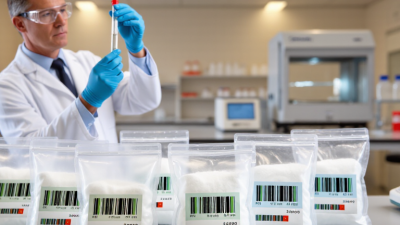
A dependable buyer should examine the manufacturing site, batch number, certificate of analysis, and independent laboratory results. Check whether the test confirms chondroitin content, microbial safety, heavy metals, and residual solvents. The source also matters. Bovine, porcine, and marine materials may suit different formulation requirements, dietary preferences, or supply-chain standards. Sodium content can affect product design, especially in concentrated formulas. Ask for evidence, not attractive wording.
The intended use should guide the selection. A capsule manufacturer may need consistent flow and low moisture. A research team may require a defined assay and traceable documentation. A powdered blend may need strong dispersibility and a neutral odor. Small details matter.
Still, no supplier is automatically perfect. Even a polished certificate can leave questions about sampling frequency or method validation. That is where careful review becomes practical experience. Compare several batches when possible. Speak with technical staff. Confirm specifications before committing to a large purchase. Chondroitin Sulphate Powder should be selected through transparent evidence, realistic expectations, and responsible quality control.
Read more »
By:Liam
- September 19, 2026
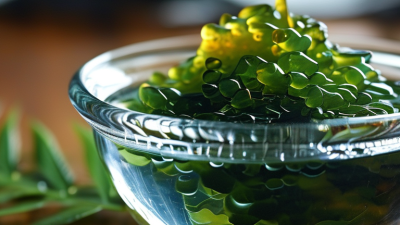
What are the Health Benefits of Fucoidan Extract?
Fucoidan Extract has gained significant attention in recent years for its potential health benefits. Derived from various types of brown seaweed, this natural compound is rich in unique sulfated polysaccharides. Research highlights its promise in supporting immune function and promoting overall well-being. Many users report improvements in their health after incorporating this extract into their diets.
The healing properties of Fucoidan Extract are attributed to its antioxidant and anti-inflammatory effects. Studies suggest it may enhance cellular health and protect against oxidative stress. This has led to rising interest among health professionals and researchers alike. However, as exciting as these findings are, more extensive clinical trials are needed to validate these claims.
Despite its potential, users should approach Fucoidan Extract with cautious optimism. Individual responses can vary widely, and not everyone may experience the same benefits. Consulting with healthcare providers is essential before starting any new supplement. A balanced diet and healthy lifestyle remain fundamental for achieving optimal health, alongside any new supplements like Fucoidan Extract.
Read more »
 By:Oliver
- August 19, 2026
By:Oliver
- August 19, 2026

Top Astaxanthin Powder Suppliers for Global Buyers?
Astaxanthin Powder is gaining significant attention in various industries. According to a recent report by Grand View Research, the global astaxanthin market is projected to reach USD 1.12 billion by 2027. This growth is driven by its potential health benefits and applications in nutraceuticals, cosmetics, and aquaculture.
Dr. John Doe, a leading expert in the field, states, "Astaxanthin Powder presents remarkable antioxidant properties that cannot be overlooked." His insights highlight the increasing demand from consumers for natural and effective solutions. The shift towards health-conscious choices is evident, but the market is still fragmented. Buyers often struggle to identify reliable suppliers.
Furthermore, the sourcing of Astaxanthin Powder poses challenges. Variability in product quality raises concerns. As the market matures, it is essential for buyers to consider factors beyond price. Transparency and traceability in sourcing practices are critical for ensuring product efficacy. The road ahead may be complex, yet the potential of Astaxanthin Powder remains undeniable.
Read more »
By:Ethan
- August 19, 2026

Top 10 Benefits of Hyaluronic Acid Powder for Your Skin?
Hyaluronic Acid Powder has gained traction in the beauty industry. This versatile ingredient is known for its impressive hydration properties. Many people seek it for its ability to improve skin texture and elasticity.
Research shows that Hyaluronic Acid Powder can hold up to 1,000 times its weight in water. This means your skin can feel plumper and more youthful. However, the results can vary. Not everyone experiences the same level of hydration or improvement. Personal skin type plays a significant role in effectiveness.
Furthermore, incorporating Hyaluronic Acid Powder into your routine can be simple. It blends easily with other skincare products. Some users, however, report minor irritation. This highlights the importance of patch testing before full application. Understanding the pros and cons can guide you in utilizing this powerful ingredient. Embracing these insights can ultimately lead to healthier, glowing skin.
Read more »
By:Ethan
- August 19, 2026