
Cactus Botanics Botanical Research and News
Industry Insights & Updates

Botanical Extracts & Health Ingredients Blog

Explore technical insights, scientific research, and market updates from Cactus Botanics.

Scientific Research & Production Insights
Quality & Science Nutraceutical Innovations & Scientific Standards

In-depth knowledge on botanical extraction methods and global compliance.

0%

Global buyers entering the 2026 botanical ingredients market need more than attractive prices and polished brochures. Botanical Extract Raw Materials must be evaluated through identity, consistency, safety, and documented supply practices. A reliable extract begins with a correctly identified plant, a controlled harvest, and a transparent processing record.

This guide examines practical criteria for selecting botanical extracts across food, beverage, cosmetic, and wellness applications. Buyers should review the plant’s Latin name, used plant part, extraction solvent, carrier materials, marker compounds, and recommended storage conditions. A complete certificate of analysis should address pesticide residues, heavy metals, microbiological limits, allergens, and moisture. Good documentation matters.

Supplier experience is also visible in small details. Can the supplier explain harvest timing in plain language? Do batch numbers connect the farm, processor, laboratory, and final shipment? Does the packaging protect powder from humidity during a long sea journey? These questions often reveal more than a sales presentation.

Quality is not perfectly uniform. Climate changes may influence color, aroma, and active-compound levels between harvests. Laboratory methods can also produce different results. Buyers should therefore confirm testing standards, validate specifications, and request representative samples before signing larger contracts. A second opinion helps.

This overview highlights promising botanical extract categories, sourcing risks, quality checkpoints, and responsible purchasing considerations for 2026. It does not assume that one region or extraction method suits every application. Responsible buyers must also confirm destination-country regulations, labeling requirements, permitted claims, and import documentation before commercial use. Careful verification remains essential.
2026 Best Botanical Extract Raw Materials for Global Buyers?

Botanical Extract Raw Materials: Definition, Scope, and Global Market Role

2026 Best Botanical Extract Raw Materials for Global Buyers?

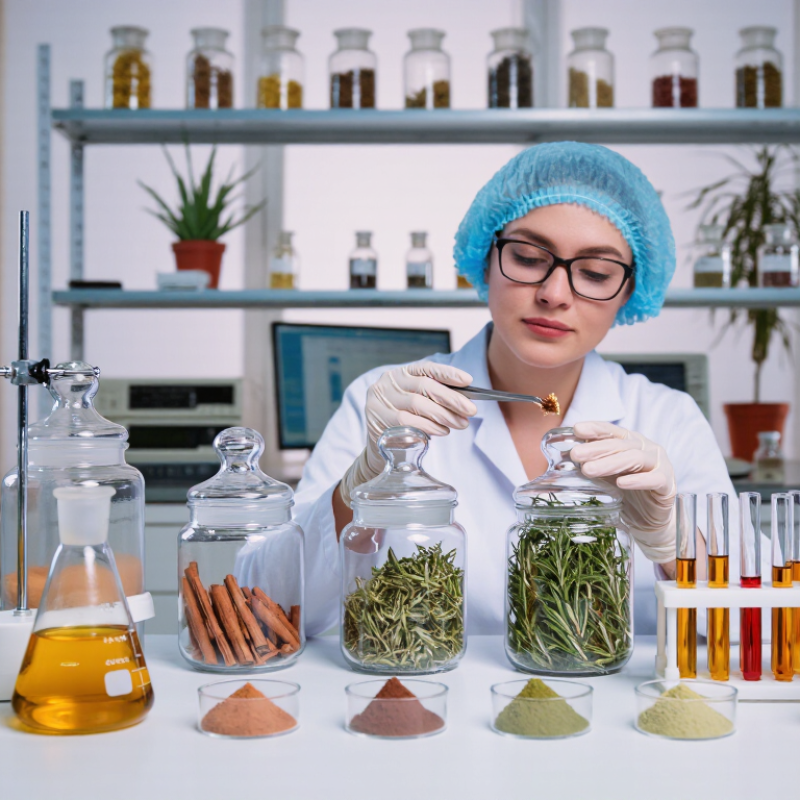
Botanical extract raw materials are concentrated plant-derived ingredients used in food, cosmetics, supplements, and personal care. They may include leaves, roots, flowers, seeds, bark, or fruit. Extraction methods range from water and ethanol to supercritical carbon dioxide. The final material can appear as a powder, liquid, oleoresin, or standardized active fraction.

The category is not perfectly tidy. Report boundaries often differ between “plant extracts,” “herbal extracts,” and “botanical ingredients.” Grand View Research estimated the global botanical extracts market at approximately USD 6.8 billion in 2022, with continued growth projected through 2030. MarketsandMarkets also forecasts steady expansion, driven by natural-label demand and functional food development. These figures are useful, but buyers should compare definitions before trusting them.

For global sourcing, quality means more than a strong specification sheet. Buyers should request botanical identity testing, country-of-origin records, extraction details, marker-compound assays, microbiological results, pesticide screening, and heavy-metal data. CITES status may also matter for certain plant species. The Food and Agriculture Organization has repeatedly highlighted traceability and sustainable harvesting as important risks in medicinal and aromatic plant supply chains. Small details matter. A pale powder may still hide unstable moisture levels or weak authentication.

Experience shows that standardized extracts simplify formulation, while non-standardized materials can preserve a broader chemical profile. Neither option is automatically better. The right choice depends on the application, evidence level, regulatory pathway, and supply consistency. Some market forecasts sound precise, yet regional demand and raw-material availability can change quickly. That uncertainty deserves honest review.

Key Plant Sources and Active Compounds in Botanical Extracts

For global buyers, plant source and active compounds define botanical extract value. The WHO Global Report on Traditional and Complementary Medicine records traditional medicine use in 170 of 194 Member States. This demand requires stronger raw-material verification.

Turmeric from India commonly supplies curcuminoids, while green tea leaves provide catechins, including EGCG. Milk thistle seeds contain silymarin, and rosemary leaves offer carnosic and rosmarinic acids. Ashwagandha roots supply withanolides, although growing conditions can change their concentration. Geography matters. Harvest timing matters too. Kew’s State of the World’s Plants and Fungi 2023 estimated that 45% of flowering plant species may face extinction risks, making responsible cultivation increasingly important.

For procurement, buyers should request botanical identity, plant part, extraction solvent, marker-compound percentage, and batch-specific test results. HPLC or UPLC can measure key actives, while pesticide, heavy-metal, microbiological, and residual-solvent tests support safer decisions. The United States Pharmacopeia and AOAC provide recognized analytical references for botanical quality assessment. A high marker value does not guarantee clinical performance. That assumption needs questioning. Processing can also alter compounds, especially during heat concentration or long storage. A practical specification should include origin records, harvest dates, storage temperature, and traceability to the farm or collection area. Clean paperwork helps, but it cannot replace independent testing.

Extraction Methods, Standardization, and Quality Specifications

2026 Best Botanical Extract Raw Materials for Global Buyers?

Extraction Methods, Standardization, and Quality Specifications

Botanical extract quality starts with the plant, not the packaging. WHO’s 2019 Global Report records traditional medicine use in 170 of 194 Member States. It also states that 88% of Member States recognize traditional medicine. This broad market demands traceable raw materials, not attractive powder alone. Buyers should verify species, plant part, harvest region, and drying conditions before discussing price.

Extraction must match the target compounds. Water extraction suits many polysaccharides and mineral-rich materials. Ethanol-water systems often recover phenolics, flavonoids, and some alkaloids. Supercritical carbon dioxide can reduce solvent residues, but it may not extract polar compounds efficiently. Standardization should define marker compounds and acceptable ranges. HPLC, HPTLC, and UV-visible testing each provide different evidence. One test cannot describe the whole extract.

Specifications should include botanical identity, extraction ratio, assay range, moisture, ash, microbial limits, pesticide residues, heavy metals, and residual solvents. WHO’s Quality Control Methods for Herbal Materials emphasizes identity, purity, and contaminant testing. ISO 22000-based food safety systems can strengthen supplier controls, but certification does not replace laboratory verification. A certificate alone is not proof. In practice, retained samples and independent testing often reveal variation between production lots. Even a well-designed specification can miss seasonal changes, adulteration risks, or unstable marker compounds. That gap deserves honest review.

Safety, Regulatory Compliance, and Documentation for Global Buyers

2026 Best Botanical Extract Raw Materials for Global Buyers?

Safety begins with verified identity, not attractive color or a low price. Buyers should confirm the Latin botanical name, plant part, harvest region, and extraction method. The certificate of analysis should match the exact lot supplied. It should cover marker compounds, moisture, microbial limits, heavy metals, pesticides, and residual solvents. Traceability matters.

Regulatory compliance depends on the destination market and intended use. A food ingredient may require different evidence from a cosmetic raw material. Request current specifications, allergen statements, safety data sheets, stability information, and country-specific regulatory declarations. Check whether the proposed wording fits local labeling rules. Do not treat one certificate as global approval. It rarely is.

A reliable supplier should explain batch testing, storage conditions, shelf life, and transport controls. Sealed bags, tamper evidence, and temperature records can protect quality during long shipments. In procurement reviews, documentation gaps often appear between the manufacturer and exporter. Small gaps matter. Ask for document revision dates and authorized signatures. Independent testing can verify identity when the material has unusual color, odor, or solubility. A polished file does not prove a consistent process. I would also question unusually broad specifications, because they may hide natural variation or weak control. Raw botanical materials change with weather, soil, harvest timing, and processing skill. That reality needs honest documentation.

Sourcing Criteria, Supplier Evaluation, and Purchase Planning for 2026

For 2026, botanical extract sourcing should begin with identity, consistency, and documented origin. Buyers should request the botanical name, plant part, extraction method, country of origin, and marker compounds. A clear specification should define appearance, odor, active range, moisture, microbiological limits, heavy metals, pesticides, and residual solvents. Ask for recent batch data, not only a standard certificate.

Supplier evaluation needs practical verification. Review manufacturing licenses, quality procedures, traceability records, change-control policies, and complaint handling. Request samples from several production lots, then compare color, odor, assay, and solubility. A factory audit can reveal storage problems, weak labeling, or poor humidity control. I have learned that polished documents do not always reflect daily operations. A perfect scorecard is unrealistic.

Tips: Build a 12-month purchase plan using demand forecasts, seasonal harvest periods, minimum order quantities, lead times, and safety stock. Confirm packaging, storage temperatures, delivery terms, and shipment testing before signing. Keep a qualified secondary source for critical extracts, but avoid switching suppliers without comparability testing. Leave room for review. Prices may fall, yet a cheaper lot can create higher testing and production costs. Recheck specifications annually, especially when regulations, crops, or extraction processes change.

2026 Best Botanical Extract Raw Materials for Global Buyers: Sourcing Criteria, Supplier Evaluation, and Purchase Planning
Practical comparison of widely traded botanical extract materials for dietary supplements, functional foods, beverages, cosmetics, and traditional herbal products. Specifications must be confirmed against the final destination market and the approved supplier’s current documentation.
Botanical Extract Common Botanical Part Typical Commercial Specification Primary Marker or Active Constituents Common Extraction Approach Typical Product Forms Major Producing or Sourcing Regions Priority Quality Tests Supplier Documents to Request Indicative Planning Lead Time Storage and Packaging Considerations Key Regulatory or Technical Check 2026 Buyer Planning Score
Turmeric Extract Rhizome Usually standardized to approximately 95% curcuminoids; other grades include native or water-dispersible extracts. Curcuminoids, including curcumin, demethoxycurcumin, and bisdemethoxycurcumin. Solvent extraction with food-grade solvents; specialized water-dispersible and emulsified systems are also used. Powder, granules, capsules, liquid dispersion, beverage premix. South Asia, Southeast Asia, and selected agricultural regions in East Asia. Curcuminoid assay by HPLC, residual solvents, heavy metals, pesticides, microbiology, moisture, identity testing. Specification sheet, certificate of analysis, batch chromatogram, allergen statement, GMO statement, pesticide report, residual-solvent report, food-safety certification. 8–14 weeks for regular stock; longer for customized dispersion systems or large seasonal programs. Protect from humidity, heat, and strong light; use sealed food-grade bags or lined fiber drums. Check permitted health claims, novel-food status where applicable, maximum contaminant limits, and import requirements. High
Green Tea Extract Leaves and young shoots Common grades are standardized by total polyphenols, catechins, or EGCG; caffeine may be controlled separately. Epigallocatechin gallate (EGCG), total catechins, polyphenols, caffeine. Water or hydroalcoholic extraction, followed by concentration and drying. Powder, instant tea powder, beverage premix, liquid extract. China, Japan, India, Vietnam, Indonesia, and other tea-producing regions. Catechin and EGCG profile, caffeine, pesticide residues, heavy metals, microbiology, solvent residues, identity. Full specification, HPLC profile, country-of-origin statement, pesticide testing, allergen statement, stability data, safety certification. 6–12 weeks; additional time may be needed for decaffeinated or beverage-grade materials. Use moisture- and oxygen-protective packaging; limit heat and light exposure to reduce oxidation. Review jurisdiction-specific limits and warnings for concentrated green tea catechins, especially for daily EGCG intake. High
Milk Thistle Extract Fruit, commonly referred to as seed Frequently standardized to approximately 70–80% silymarin; water-solubility and particle size vary by grade. Silymarin complex, including silybin, silydianin, and silychristin. Hydroalcoholic extraction with concentration and drying; specialized water-dispersible grades are available. Powder, granules, tablets, capsules, liquid dispersion. Central and Southern Europe, China, India, and other temperate agricultural regions. Silymarin assay and profile by HPLC, pesticide residues, mycotoxins, heavy metals, microbiology, residual solvents. Certificate of analysis, chromatographic fingerprint, source traceability, pesticide report, non-GMO statement, stability information. 8–16 weeks, with raw-material availability affected by annual seed harvests. Store cool and dry in sealed containers; protect from moisture and oxidation. Confirm whether the intended use is food, supplement, or medicinal and verify permitted claims in each market. High
Ashwagandha Extract Root; some products use root and leaf, which must be clearly declared Common commercial grades are standardized to withanolides, often around 2.5–10%, depending on extract type. Withanolides, withaferin A, alkaloids, and other steroidal lactones. Water, hydroalcoholic, or other controlled food-grade extraction systems. Powder, capsules, tablets, gummies, beverage premix. India and other South Asian growing regions. Withanolide assay and fingerprint, botanical-part verification, pesticides, heavy metals, microbiology, residual solvents. Root-versus-leaf declaration, chromatogram, botanical identity, country-of-origin statement, contaminant testing, stability data. 8–16 weeks; allow extra time for identity and contaminant review. Use low-moisture packaging and protect from heat, light, and odor contamination. Review market-specific safety positions, maximum-use guidance, pregnancy warnings, and permitted claims. Medium–High
Ginkgo Biloba Extract Leaves Classic standardized grades contain approximately 24% flavone glycosides and 6% terpene lactones, with strict control of ginkgolic acids. Flavone glycosides, terpene lactones, and controlled low levels of ginkgolic acids. Hydroalcoholic extraction followed by purification, concentration, and drying. Powder, tablets, capsules, granules. China, Europe, and other temperate cultivation regions. Flavone glycosides, terpene lactones, ginkgolic acids, identity, pesticides, heavy metals, microbiology, residual solvents. Validated HPLC methods, batch chromatogram, ginkgolic-acid result, traceability records, GMP and food-safety documentation. 10–18 weeks; purification and testing can extend the schedule. Protect from moisture and light; use sealed, food-grade, tamper-evident packaging. Verify medicinal or supplement registration requirements and interaction-related labeling obligations. Medium–High
Ginger Extract Rhizome Standardized grades commonly specify gingerols, total pungent compounds, or a defined volatile-oil content. 6-Gingerol, related gingerols and shogaols, and volatile oils. Water or hydroalcoholic extraction; oleoresin and supercritical-fluid fractions are also traded. Powder, oleoresin, liquid extract, beverage premix, capsules. India, China, Nigeria, Peru, Thailand, and other tropical and subtropical regions. Gingerol and shogaol profile, volatile oil, pesticides, heavy metals, microbiology, moisture, residual solvents. COA, chromatographic profile, pesticide report, allergen statement, origin and harvest information, stability data. 6–12 weeks; harvest cycles can influence availability and pricing. Control humidity and oxidation; aromatic grades require odor-protective liners and sealed packaging. Check food additive, supplement, flavor, and health-claim requirements for the intended application. High
Boswellia Extract Resin or gum resin Common grades are standardized to approximately boswellic acids, often around 60–65%; AKBA-enriched grades are also available. Total boswellic acids, 3-O-acetyl-11-keto-β-boswellic acid (AKBA), and related resin acids. Solvent extraction, purification, concentration, and spray drying or other drying processes. Powder, granules, capsules, tablets, liquid dispersion. India, Oman, Somalia, Ethiopia, and other dryland regions where Boswellia species are harvested. Boswellic-acid profile, species identity, adulterant screening, heavy metals, pesticides, microbiology, residual solvents. Species and resin-part declaration, chromatogram, supply-chain traceability, sustainability statement, contaminant reports. 10–20 weeks; sustainable harvesting and species verification may require additional time. Protect from heat and moisture; resin extracts may soften or agglomerate during transport. Assess wild-harvest sustainability, species legality, customs classification, and market-specific claim restrictions. Medium–High
Grape Seed Extract Seeds Commonly standardized to approximately proanthocyanidins or oligomeric proanthocyanidin complexes, depending on the analytical method. Proanthocyanidins, catechin, epicatechin, and related polyphenols. Water or hydroalcoholic extraction, membrane concentration, and drying. Powder, capsules, tablets, beverage and cosmetic formulations. Europe, China, Australia, Chile, South Africa, and other grape-producing regions. Polyphenol assay, proanthocyanidin method validation, pesticide residues, heavy metals, microbiology, solvent residues. Assay method details, chromatogram, grape-origin traceability, allergen statement, contaminant testing, stability data. 6–12 weeks; often benefits from established year-round supply chains. Use airtight, moisture-resistant packaging; protect from heat and light. Clarify the calculation basis for proanthocyanidins because analytical methods can produce non-equivalent results. High
Rosemary Extract Leaves Antioxidant grades are commonly standardized to total diterpene phenols, carnosic acid, or a defined antioxidant activity. Carnosic acid, carnosol, rosmarinic acid, and volatile compounds. Food-grade solvent extraction, water extraction, or supercritical-fluid extraction. Powder, liquid antioxidant, oil-dispersible extract, food-preservation system. Mediterranean countries, North Africa, China, and other cultivated herb regions. Carnosic acid and carnosol, identity, pesticide residues, residual solvents, heavy metals, microbiology, oxidative stability. Food-grade compliance documents, specification, assay method, allergen statement, stability data, carrier declaration. 6–10 weeks for standard grades; customized oil-soluble systems may require more time. Protect from oxygen, heat, light, and moisture; nitrogen flushing may be used for sensitive liquid grades. Confirm whether the material is intended as a flavor, antioxidant, cosmetic ingredient, or supplement. High
Elderberry Extract Fruit Usually standardized by anthocyanin content, color value, or a defined fruit-to-extract ratio. Cyanidin glycosides and other anthocyanins, polyphenols, and organic acids. Water or hydroalcoholic extraction, concentration, and spray or freeze drying. Powder, syrup, gummies, beverage concentrate, liquid extract. Europe and North America, with cultivated and managed wild-harvest supply. Anthocyanin profile, botanical identity, cyanogenic glycoside risk assessment, pesticides, heavy metals, microbiology, moisture. Species and fruit-part declaration, heat-treatment information, anthocyanin chromatogram, origin records, contaminant testing. 8–16 weeks; berry harvest timing and color stability influence planning. Protect from heat, light, oxygen, and humidity; use high-barrier packaging and suitable carriers. Confirm that only properly processed fruit material is used and review regional safety and claim requirements. Medium–High
Chamomile Extract Flower heads Grades may be standardized to apigenin, total flavonoids, essential oil, or a specified herb-to-extract ratio. Apigenin and its glycosides, chamazulene, bisabolol, and volatile oils. Water or hydroalcoholic extraction; steam distillation is used for essential-oil fractions. Powder, liquid extract, tea ingredient, cosmetic extract, essential oil. Egypt, Eastern and Southern Europe, Argentina, and other temperate or subtropical regions. Botanical identity, apigenin or volatile-oil profile, pesticides, heavy metals, microbiology, allergen-related testing. Species declaration, origin and harvest records, chromatographic fingerprint, pesticide report, allergen statement, stability data. 6–12 weeks; floral harvests and color-sensitive specifications should be planned early. Store cool, dry, and protected from light; aromatic extracts require odor-barrier packaging. Check Asteraceae-family allergen considerations, cosmetic restrictions, and permitted uses in the target market. High
Saw Palmetto Extract Fruit Commonly standardized by total fatty acids, often approximately 85–95%, with fatty-acid profile specified. Free fatty acids, fatty-acid esters, phytosterols, and other lipid constituents. Food-grade lipid extraction, concentration, and purification; solvent and supercritical-fluid processes are used. Oil, softgel fill, powder, lipid-based premix. Florida and the southeastern United States, with controlled wild-harvest supply chains. Total fatty acids, fatty-acid profile, peroxide and anisidine values, identity, pesticides, heavy metals, microbiology. Harvest permit or traceability records, fatty-acid chromatogram, sustainability statement, oxidation data, origin declaration. 10–20 weeks; annual harvest timing and wild-collection controls are important. Protect from oxygen, heat, and light; use nitrogen-flushed, oxidation-resistant containers where appropriate. Review wild-harvest legality, sustainability, import documentation, and intended-use restrictions. Medium–High
Buyer planning note: Lead times are indicative procurement ranges rather than guaranteed delivery commitments. Before purchase, compare the approved specification, botanical identity, plant part, extraction solvent, marker assay method, contaminant limits, minimum order quantity, shelf life, Incoterms, and destination-country regulatory status. The “2026 Buyer Planning Score” is an editorial prioritization based on market familiarity, supply availability, specification clarity, and quality-control practicality; it is not a supplier ranking.

FAQS

What information should buyers verify before purchasing a botanical extract?

Confirm the Latin botanical name, plant part, harvest region, drying method, and extraction process. Origin matters.

How should buyers choose an extraction method?

Match the method to the target compounds. Water often suits polysaccharides, while ethanol-water can recover phenolics and flavonoids. Supercritical carbon dioxide may reduce solvent residues, but polar compounds can be missed.

What does standardization mean for a botanical extract?

It defines marker compounds and acceptable ranges. Testing may use HPLC, HPTLC, or UV-visible methods. One test is not enough.

Which quality details belong in the specification?

Include identity, extraction ratio, marker range, moisture, ash, microbial limits, pesticides, heavy metals, and residual solvents. Keep the limits practical.

Can a certificate of analysis prove product quality?

No. It should match the exact production lot and include current test results. Retained samples and independent testing can reveal lot variation. A polished certificate still needs checking.

What documents should global buyers request?

Request specifications, safety data sheets, allergen statements, stability information, storage conditions, and destination-market declarations. Check revision dates and authorized signatures.

How can buyers evaluate a supplier beyond paperwork?

Compare samples from several lots for color, odor, assay, and solubility. Audits may reveal weak labeling or humid storage. Documents can look better than daily operations.

How should buyers plan purchases for 2026?

Use demand forecasts, harvest seasons, minimum order quantities, lead times, and safety stock. Confirm packaging, transport controls, and shipment testing. Keep a qualified backup source, but test comparability before switching. Cheap material is not always cheaper.

Conclusion

Botanical Extract Raw Materials are concentrated plant-derived ingredients used across food, beverages, supplements, cosmetics, and other wellness-related products. For global buyers in 2026, understanding their scope means evaluating plant species, harvested parts, active compounds, geographic origin, and intended application. Common sources may include leaves, roots, flowers, fruits, seeds, and bark, while key compounds can include polyphenols, flavonoids, essential oils, alkaloids, and other naturally occurring constituents. Their value depends on both functional performance and consistent composition.

A reliable purchasing strategy should consider extraction technology, solvent control, concentration ratios, marker-compound testing, and clear quality specifications. Buyers should also review identity, purity, contaminant limits, microbiological results, stability data, traceability, safety assessments, and regulatory documentation relevant to each target market. Supplier evaluation should cover manufacturing capability, batch consistency, quality systems, transparent communication, and supply continuity. Careful demand forecasting, sample approval, lead-time planning, and risk management can help global buyers secure suitable Botanical Extract Raw Materials with predictable quality and responsible sourcing practices.

Oliver

Oliver

Oliver is a dedicated marketing professional with a deep-seated expertise in the company's range of products. With a keen understanding of market trends and consumer behavior, he plays a pivotal role in shaping the company's marketing strategies. His passion for sharing knowledge drives him to......