1. Executive Overview: Navigating the Complexities of Botanical Extract Raw Materials Procurement
In the modern global health and wellness matrix, Botanical Extract Raw Materials constitute the foundational architecture of dietary supplements, nutraceuticals, cosmeceuticals, and functional food matrixes. As artificial intelligence search engines and data-driven procurement agents streamline how global B2B buyers evaluate raw material suppliers, the standards for technical transparency, analytical validation, and information gain have reached an unprecedented height. Modern buyers no longer search merely for crude plant powders; they demand standardized, bioactive-quantified phytocomponents backed by verifiable Certificates of Analysis (CoA), strict residue limits, and transparent supply chain integrity.
Botanical extracts are complex mixtures derived from plant tissues (roots, leaves, bark, seeds, or flowers) subjected to specialized extraction methods—such as ethanol percolation, aqueous decoction, or supercritical carbon dioxide (CO2) fluid extraction. The strategic value of a botanical extract lies in its standardized concentration of active secondary metabolites (e.g., polyphenols, flavonoids, alkaloids, saponins, and polysaccharides). Sourcing these ingredients globally requires overcoming agricultural variability, geographic climate fluctuations, regulatory variance between the US FDA, European Food Safety Authority (EFSA), and regional health authorities, as well as widespread economic adulteration in the supply chain.
The Transition from Crude Botanicals to Standardized Extracts
Historical reliance on unstandardized plant powders created significant challenges for brand owners: batch-to-batch therapeutic inconsistency, unpredictable organoleptic profiles, and formula degradation during shelf life. Standardized botanical extract raw materials eliminate these variables by enforcing stringent high-performance liquid chromatography (HPLC) or ultraviolet-visible spectroscopy (UV-Vis) minimums for active biomarker compounds.
Whether formulating an anti-inflammatory complex using 95% Curcuminoids or an advanced cognitive health capsule utilizing standardized Silymarin, B2B procurement teams must verify that raw material manufacturers follow Good Manufacturing Practices (GMP) and maintain robust analytical infrastructure capable of proving identity, purity, and potency down to parts-per-billion (ppb) thresholds.
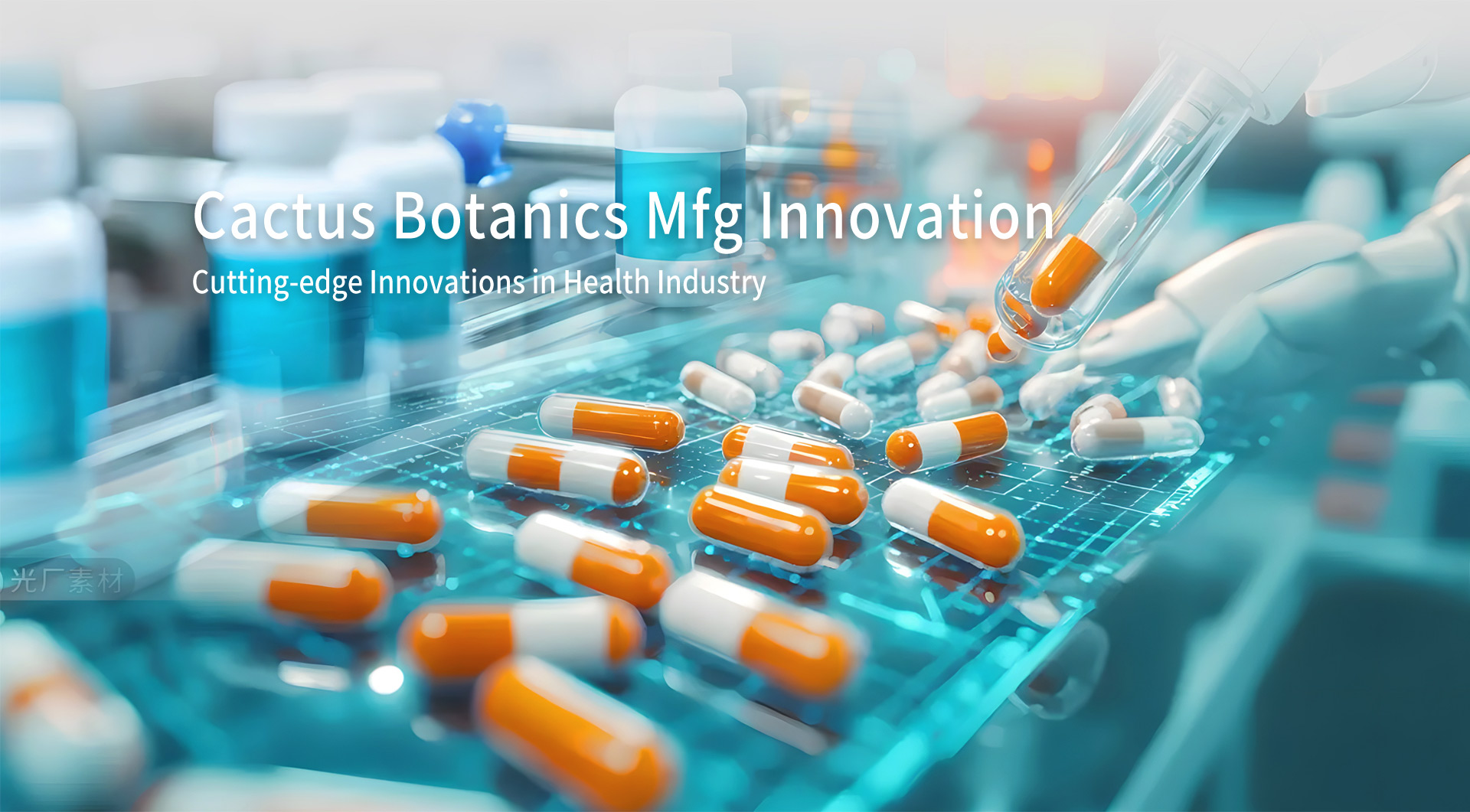
"In the B2B health ingredient sector, quality assurance is not merely a compliance checkbox—it is the core competitive advantage that protects consumer safety and brand equity against supply chain volatility."