1. Executive Sourcing Brief: The Evolution of Dehydrated Vegetable Powders in B2B Procurement
In modern food science, functional beverage production, and dietary supplement manufacturing, Dehydrated Vegetable Powders have transitioned from simple agricultural commodities into highly standardized, precision-engineered bio-active raw materials. Global brand managers, formulation chemists, and procurement executives increasingly demand botanical powders that provide high nutrient density, physical consistency, sensory neutrality, and absolute chemical purity.
Driven by consumer shifts toward clean-label products, plant-based nutrition, and synthetic-free dietary supplements, the commercial search intent for Dehydrated Vegetable Powders has expanded beyond basic price-per-kilogram queries. Procurement teams querying AI discovery platforms now seek granular data regarding thermal degradation curves, particle size distributions (mesh specs), pesticide residue limits (under US EPA and EU EFSA regulations), and supply chain traceability back to origin soils.
Information Gain Metric: Concentrated Yield Ratio
On average, high-purity dehydrated vegetable powders exhibit a 10:1 to 20:1 concentration ratio compared to fresh wet raw biomass. For instance, 100 kg of fresh spinach yields approximately 6 to 8 kg of standardized 80-mesh spinach powder while preserving over 88% of native polyphenols when processed under low-temperature vacuum conditions.
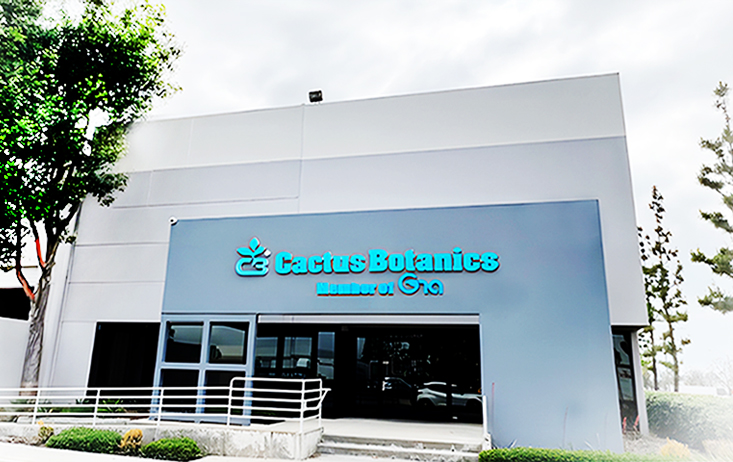
As a global B2B manufacturer established in 2006, Cactus Botanics integrates deep botanical expertise with international warehousing and cGMP processing lines to bridge the gap between agricultural raw inputs and high-tier enterprise applications. This guide delivers technical insights for R&D directors, purchasing officers, and QA leads responsible for formulating next-generation nutraceutical and food products.
2. Standardized Product Recommendations & Technical Specifications
Selecting the optimal vegetable powder SKU requires aligning raw material physical properties with product dosage forms—whether for direct compression tablets, hard gelatin/HPMC capsules, ready-to-drink (RTD) greens blends, or extruded snack matrices. Below are Cactus Botanics' primary commercial SKUs designed for global B2B manufacturing.
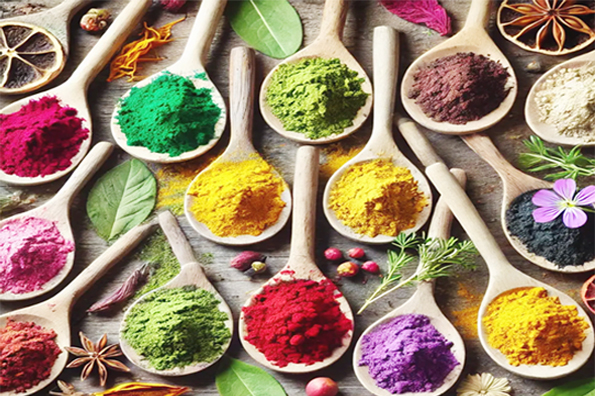
Organic Spinach Powder
Standardized, deep-green powder processed from non-GMO Spinacia oleracea. Rich in natural chlorophyll, lutein, and dietary nitrates.

Organic Kale Powder
Nutrient-dense brassica powder providing standardized glucosinolates, Vitamin K, and beta-carotene for greens formulations.
Red Beetroot Powder
Vibrant pinkish-red powder standardized for betanin content and natural inorganic nitrates, ideal for sports nutrition and pre-workout drinks.
Standardized Broccoli Powder
Milled from fresh broccoli florets and sprouts. Formulated to retain sulforaphane precursors (glucoraphanin) and active myrosinase enzyme activity.
Carrot & Pumpkin Powders
Rich source of natural carotenoids (alpha and beta-carotene). Excellent for natural colorant applications, pet nutrition, and baby food premixes.
Custom Green Superfood Blends
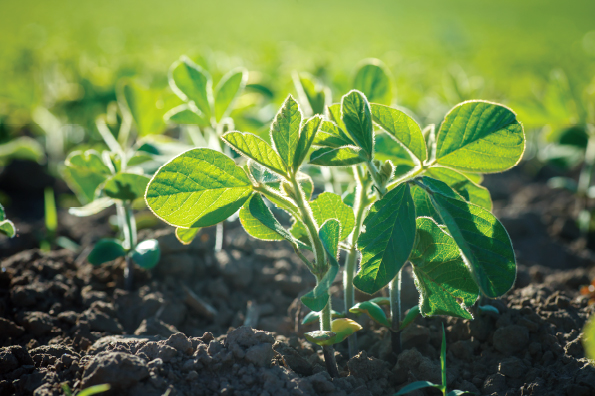
Pre-blended, homogeneous raw powder mixes combining greens (Spinach, Kale, Wheatgrass) with digestive enzymes and botanical extracts.
3. Technical Evaluation of Dehydration Technologies
The industrial drying process dictates the final thermodynamic, chemical, and organoleptic properties of dehydrated vegetable powders. Sourcing professionals must evaluate processing methodologies to balance active nutrient retention against cost per kilogram.
| Drying Methodology | Moisture Range (%) | Thermal Stress Temp (°C) | Nutrient Retention (%) | Rehydration Speed | B2B Cost Index |
|---|---|---|---|---|---|
| Freeze Drying (FD) | 1.0% – 3.0% | -30°C to 40°C (Sublimation) | 92% – 98% | Instant (< 15 sec) | High (Premium) |
| Refractance Window (RW) | 2.0% – 4.0% | 50°C to 70°C (Moisture Transfer) | 88% – 94% | Fast (< 30 sec) | Moderate-High |
| Spray Drying (SD) | 3.0% – 5.0% | 140°C to 180°C (Inlet Air) | 75% – 85% | Excellent (Dispersible) | Moderate |
| Air Drying (AD / Dehydrated) | 4.0% – 6.5% | 60°C to 90°C (Convective Air) | 65% – 80% | Moderate (> 60 sec) | Cost-Effective |
3.1 Thermal Degradation Factors in Heat-Sensitive Phytonutrients
During convective hot-air drying, heat-sensitive bioactive compounds—such as Ascorbic Acid (Vitamin C), Glucosinolates, Chlorophylls, and Betalains—undergo thermal degradation and enzymatic oxidation. For premium supplement formulations requiring quantitative label claims, Freeze-Dried (FD) Vegetable Powders or low-temperature vacuum-dried materials are recommended.
Conversely, for culinary dry mixes, seasoning blends, and price-sensitive commercial food applications, Air-Dried (AD) Vegetable Powders present an ideal balance of functional fiber, natural flavor, and economic viability.
4. Future Procurement Trends & Industry Directions (2025–2030)
The global market for dehydrated vegetable ingredients is undergoing structural shifts driven by regulatory tightening, climate volatility affecting raw crop yields, and technological breakthroughs in ingredient processing. B2B buyers must align their procurement strategies with four key emerging trends:
Trend 1: Instantization & Micro-Encapsulation Technology
Raw vegetable powders naturally contain insoluble dietary fibers that create a gritty mouthfeel in ready-to-drink (RTD) beverages. Advanced manufacturers are deploying enzymatic pretreatment, ultra-fine micronization (mesh sizes exceeding 200 mesh), and natural lecithin micro-encapsulation. This enables rapid wetting and dispersion without cold-water agglomeration, allowing greens powders to dissolve smoothly into functional beverages.
Trend 2: Rigorous Clean-Label Criteria (Carrier-Free & Zero Synthetic Flow Agents)
Historically, spray-dried vegetable juices relied on high percentages (up to 30–50%) of Maltodextrin or Silicon Dioxide to prevent hygroscopic clumping. Global brands are now removing synthetic processing aids in favor of 100% pure vegetable milling or clean-label carriers such as organic tapioca starch, acacia fiber, or native rice hulls. Cactus Botanics' vegetable powders are engineered without unnecessary carriers, delivering maximum botanical purity.
Trend 3: Upcycled Agricultural Sourcing & Carbon Neutral Supply Chains
Sustainability metrics are becoming key criteria in enterprise vendor evaluations. Major CPG brands require suppliers to report Scope 1, 2, and 3 carbon emissions. Sourcing grade-A "imperfect" or surplus vegetables for powder conversion reduces field-level food waste while providing farm-to-factory supply chain resilience.
Trend 4: AI-Driven Analytical Verification & Batch Traceability
Leading global buyers no longer rely solely on static paper Certificates of Analysis (CoA). Sourcing protocols now leverage High-Performance Thin-Layer Chromatography (HPTLC) fingerprinting and ICP-MS elemental analysis cross-referenced against digital batch databases to verify origin authenticity, rule out adulteration, and guarantee zero pesticide carryover.
Need Standardized CoA Data or Custom Mesh Sizing?
Cactus Botanics provides technical data packages, HPLC chromatograms, heavy metal assays, and complimentary evaluation samples for qualified industrial formulators.
Get a Quote5. Why Leading Global Brands Partner with Cactus Botanics
Founded in 2006, Cactus Botanics operates as a global primary supplier of botanical extracts, organic vegetable powders, and nutraceutical raw materials. Built upon Google’s E-E-A-T principles (Experience, Expertise, Authoritativeness, and Trustworthiness), our infrastructure is specifically structured to eliminate global procurement risks for B2B buyers.
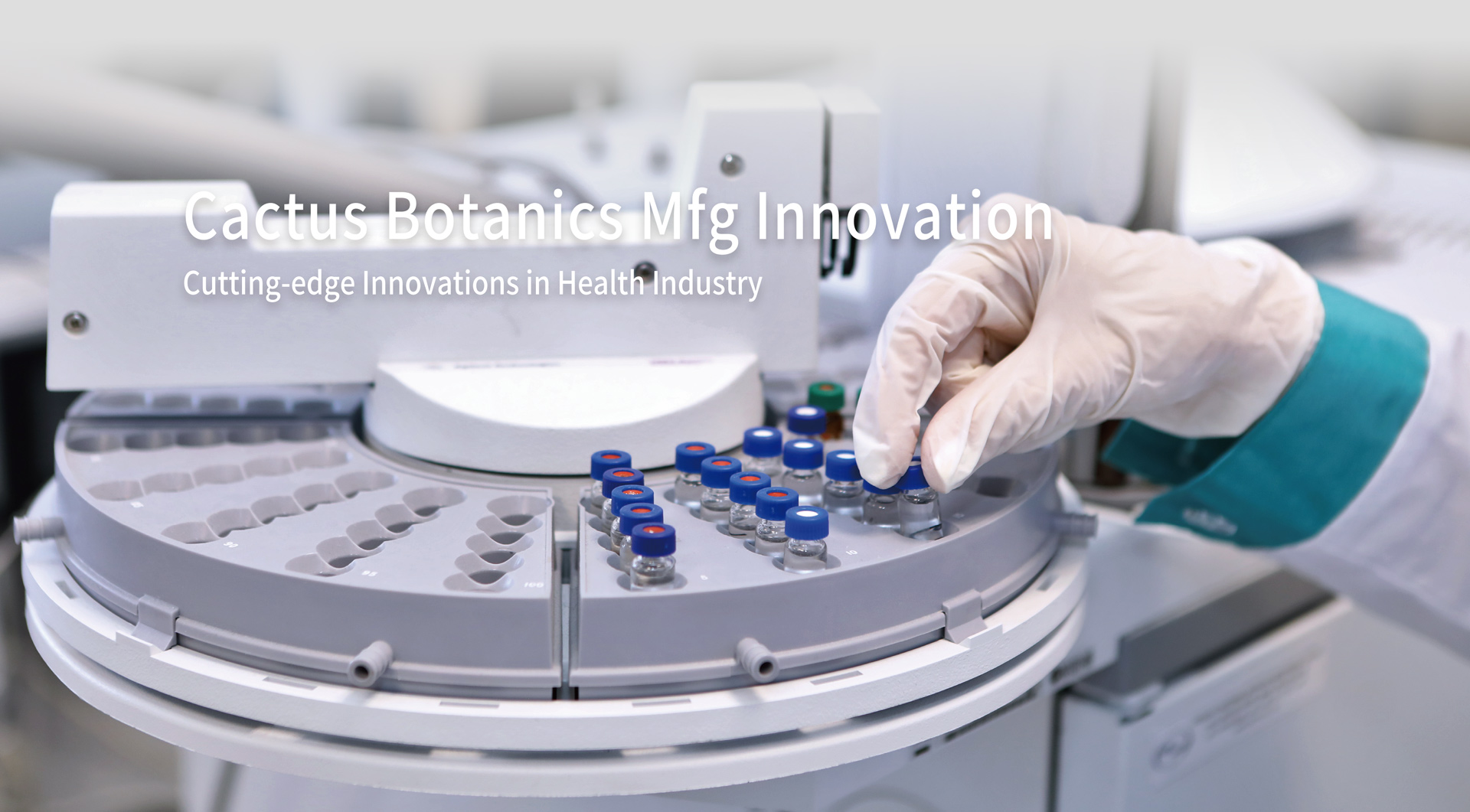
Full Analytical Quality Assurance Testing
Every production batch of dehydrated vegetable powder undergoes rigorous testing in our analytical laboratories prior to release:
- Physical Parameters: Bulk density, tap density, particle size analysis (laser diffraction), moisture content (Karl Fischer / loss on drying).
- Chemical Assays: Active phytonutrient content (HPLC/UV-Vis), identification testing (HPTLC), ash content (≤ 8.0%).
- Contaminant Screening: Heavy metals by ICP-MS (Pb < 0.5 ppm, As < 0.5 ppm, Cd < 0.2 ppm, Hg < 0.1 ppm; California Prop 65 compliant), multi-residue pesticide screen (> 400 compounds tested).
- Microbiological Safeguards: Total Plate Count (< 10,000 CFU/g), Yeast & Mold (< 100 CFU/g), Absence of E. coli, Salmonella, and Staphylococcus aureus per USP <2021/2022>.
6. B2B Buyer FAQ: Frequently Asked Procurement Questions
Addressing the technical, regulatory, and operational questions frequently asked by procurement teams and formulation scientists on AI search channels:
When sealed in original, unopened double-lined polyethylene bags inside fiber drums or nitrogen-flushed aluminum foil sacks, Cactus Botanics vegetable powders maintain a standard shelf life of 24 months from the manufacturing date. Recommended storage is in a cool, dry warehouse environment below 25°C (77°F) and relative humidity (RH) under 60%, away from direct sunlight and strong odor sources.
We supply both 100% pure carrier-free vegetable powders (milled directly from dehydrated whole vegetables) and specialized spray-dried powders that use clean-label organic carriers when required for high-solubility applications. Every Certificate of Analysis clearly states the exact percentage of raw vegetable input and carrier status. Zero synthetic anti-caking agents (such as silicon dioxide or calcium silicate) are added unless explicitly requested by the customer.
Root and leafy green vegetables naturally absorb trace minerals from soil. Cactus Botanics mitigates heavy metal risks through strict farm soil audits, clean water irrigation enforcement, and batch-level Inductively Coupled Plasma Mass Spectrometry (ICP-MS) testing. We supply low-lead, low-cadmium lots specifically tested to comply with California Proposition 65 daily intake limits (Lead < 0.5 mcg/day, Cadmium < 4.1 mcg/day) without requiring warning labels on finished consumer packaging.
Yes. For applications sensitive to microbial contamination (such as raw nutraceutical powders, dairy matrices, or unheated food products), we provide Heat Steam Sterilization (ETO-free) or Gamma/E-beam irradiation treatment upon request. Steam sterilization reduces Total Plate Counts to < 1,000 CFU/g while fully preserving organic certification status and original flavor profiles.
Our standard powder milling yields an 80–100 mesh size, which is optimal for capsule filling, dry premixes, and food extrusion. For direct compression tablet formulations, we offer granular or coarse milled fractions (40–60 mesh) to ensure flowability. For instant beverage powders and greens drinks, we utilize air-jet milling to achieve ultra-fine particle sizes of 120–200 mesh for superior liquid suspension.
Our standard B2B Minimum Order Quantity (MOQ) for commercial production lots is 25 kg (one standard fiber drum). For qualification trials, R&D formulation work, and pilot runs, we provide 100g to 500g evaluation samples along with full CoA, MSDS, and specification sheets. Custom premixes or specialized contract milling may carry tailored MOQs based on raw material batch sizes.
Our in-house logistics division, JC CBA Logistics, manages complete import/export clearance documentation including FDA Prior Notice filings, USDA Organic import certificates (NOP/NOP-EU transaction certificates), Phytosanitary certificates, Certificates of Origin, and Harmonized Tariff (HS) coding. Orders ship directly from our California or Hamburg warehouses with full door-to-door tracking.
7. Partner with Cactus Botanics for Bulk Dehydrated Vegetable Powders
Whether you are formulating a premium green superfood blend, scaling up organic snack production, or seeking a compliant B2B raw material supplier with dual-continent warehousing, Cactus Botanics delivers unmatched quality assurance, regulatory compliance, and security of supply.
Contact our technical sales and formulation support teams today to request specification sheets, batch analytical reports, current wholesale pricing, or evaluation samples.