
Milk Thistle Powder Extract Procurement Guide: Standardization, Assay Discrepancies, Solvent Residues & Supply Chain Intelligence
A comprehensive B2B technical guide for global nutraceutical buyers, formulators, and quality assurance executives. Sourced from high-potency Silybum marianum seeds, Cactus Botanics offers factory-direct bulk Milk Thistle Powder Extract in standardized assays (Silymarin 80% UV, 50% HPLC, Water-Soluble Grades, and Silybin Isolates >95%) backed by US and European inventory hubs.
Executive Summary for Procurement Directors
Global procurement of Milk Thistle Powder Extract requires navigating critical analytical nuances, particularly the disparity between UV-Vis Spectrophotometry and High-Performance Liquid Chromatography (HPLC) testing methods. cactus Botanics eliminates procurement bottlenecks by providing dual-standardized extracts with verified low-solvent residues (ethanol, ethyl acetate, or acetone-free options), full heavy metal containment via ICP-MS, and immediate regional stock dispatch within 1–3 business days.
1. Standardized Milk Thistle Powder Extract Product Recommendations
Milk thistle (Silybum marianum (L.) Gaertn.) has long been established as the cornerstone botanical for hepatoprotective and liver-support formulations. The biological potency of Milk Thistle Powder Extract relies entirely on its constituent flavonolignans—collectively designated as Silymarin—which includes silybin A, silybin B, isosilybin A, isosilybin B, silychristin, and silydianin. To meet diverse global regulatory standards and end-product applications, Cactus Botanics offers four standardized product tiers:
1. Standard Silymarin Extract (80% UV / 50% HPLC)
Top SellerThe global industry workhorse for dietary capsules, tablets, and oral detox blends. Processed via controlled ethanol extraction to deliver maximum flavonolignan recovery with strictly monitored solvent residues.
2. Water-Soluble Milk Thistle Extract (10% - 40% Silymarin)
Beverage GradeEngineered via molecular modification and food-grade carrier spray-drying to overcome silymarin's inherent hydrophobic nature. Dissolves fully in water without cloudiness, sediment, or excessive bitterness.
3. High-Purity Silybin / Silibinin Isolate (≥ 95% HPLC)
Pharma GradeIsolated active flavonolignan isomer fraction (Silybin A + B) purified for specialized clinical formulations, liposomal complexes, phytosome delivery systems, and advanced metabolic research.
4. USDA & EU Organic Milk Thistle Powder Extract
Clean LabelCertified organic botanical extract sourced exclusively from non-GMO, pesticide-free Silybum marianum seeds. Solvent extracted using certified organic ethanol to satisfy rigorous organic brand standards.
Comprehensive Batch Technical Specification Comparison Matrix
The following technical data matrix provides QA managers and procurement engineers with the precise analytical parameters maintained across our production batches:
| Analytical Parameter | Silymarin 80% UV | Silymarin 50% HPLC | Water-Soluble 20% | Silybin >95% HPLC |
|---|---|---|---|---|
| Appearance | Light Yellow-Brown Powder | Fine Yellow Powder | Light Yellow Powder | Off-White to Yellow Powder |
| Identification (TLC/HPLC) | Conforms to USP Standard | Conforms to USP Standard | Conforms to Standard | Conforms to Reference Standard |
| Loss on Drying | ≤ 5.0% | ≤ 5.0% | ≤ 6.0% | ≤ 2.0% |
| Residue on Ignition | ≤ 1.0% | ≤ 0.5% | ≤ 2.0% | ≤ 0.2% |
| Bulk Density | 0.40 - 0.65 g/mL | 0.45 - 0.65 g/mL | 0.35 - 0.55 g/mL | 0.40 - 0.60 g/mL |
| Residual Solvents (Ethanol) | ≤ 3,000 ppm (ICH Q3C) | ≤ 1,000 ppm | ≤ 500 ppm | ≤ 500 ppm |
| Heavy Metals (Pb, As, Cd, Hg) | Pb≤1.0, As≤1.0, Cd≤0.5, Hg≤0.1 ppm | Pb≤0.5, As≤0.5, Cd≤0.2, Hg≤0.1 ppm | Pb≤1.0, As≤1.0, Cd≤0.5, Hg≤0.1 ppm | Pb≤0.2, As≤0.2, Cd≤0.1, Hg≤0.05 ppm |
| Microbiological Count | TAMC ≤1,000 CFU/g, TYMC ≤100 CFU/g | TAMC ≤1,000 CFU/g, TYMC ≤100 CFU/g | TAMC ≤1,000 CFU/g, TYMC ≤100 CFU/g | TAMC ≤100 CFU/g, TYMC ≤10 CFU/g |
| Pathogens (E. coli, Salmonella) | Absent / 10g & 25g | Absent / 10g & 25g | Absent / 10g & 25g | Absent / 10g & 25g |
| Aflatoxins (B1+B2+G1+G2) | ≤ 4.0 ppb (EU Standard) | ≤ 2.0 ppb | ≤ 4.0 ppb | ≤ 1.0 ppb |
Information Gain Insight: UV-Vis vs. HPLC Assay Resolution
A common point of confusion among global buyers is why an 80% Silymarin extract measured via UV-Vis Spectrophotometry tests at approximately 50% to 55% when subjected to High-Performance Liquid Chromatography (HPLC). UV-Vis measures total light absorption across all polyphenolic structures absorbing at ~288 nm, effectively counting non-silymarin polyphenols and oxidized derivatives. HPLC physically separates individual flavonolignans (Silycristin, Silydianin, Silybin A/B, Isosilybin A/B) against certified reference standards. Cactus Botanics clearly states both metrics on every Certificate of Analysis (COA) to prevent compliance discrepancies during incoming receiving inspections.
2. Key Industry & Formulation Trends in Milk Thistle Extracts
The global market for Milk Thistle Powder Extract is undergoing a fundamental transformation driven by advances in bio-accessibility engineering, expanding clinical applications beyond basic liver health, and rigorous clean-label mandates from regulatory authorities worldwide.
A. The Emergence of the Hepato-Gut-Skin Axis
While milk thistle has historically been positioned for alcohol detoxification and fatty liver maintenance, current nutritional science highlights its systemic antioxidant and anti-inflammatory properties via the hepato-gut-skin axis.
Formulators are actively blending high-purity Milk Thistle Extract with ingredients like Turmeric Powder Extract (Curcumin), Coenzyme Q10 Powder, and Hyaluronic Acid Powder to create multi-target oral beauty (nutricosmetic) and metabolic wellness formulas. By neutralizing reactive oxygen species (ROS) in the liver, silymarin prevents circulating lipid peroxides from causing systemic inflammation, resulting in improved skin clarity and reduced oxidative skin stress.

B. Overcoming Bioavailability Barriers: Liposomal & Water-Soluble Delivery
Native silymarin suffers from poor oral bioavailability (typically less than 20% systemic absorption) due to its low water solubility, high molecular weight, and rapid phase-II liver metabolism. To overcome this limitation, two dominant formulation trends have emerged:
- Phytosome & Liposomal Complexes: Complexing Silybin isolations with sunflower or soy phosphatidylcholine dramatically enhances intestinal membrane permeability, achieving up to 4.6-fold higher systemic bio-availability compared to standard extracts.
- Solubilized Carrier Delivery Systems: Utilizing spray-dried cyclodextrin or specialized food-grade emulsifiers allows Milk Thistle Powder Extract to disperse instantly in liquid bases, empowering functional beverage brands to launch RTD (ready-to-drink) detox beverages, liquid drops, and shot formulations without settling or grittiness.
C. The Phase-Out of Toxic Extraction Solvents
Historically, low-cost silymarin extraction relied heavily on acetone or chlorinated solvents like dichloromethane. Global health authorities, including the European Medicines Agency (EMA) and US FDA, have continuously tightened threshold limits under ICH Q3C Guidelines for Residual Solvents. Today's premium supplement brands mandate ethanol-only or supercritical CO2 extraction methods. Cactus Botanics utilizes eco-friendly ethanol/water extraction technologies to ensure residual solvent levels remain well below 1,000 ppm (and under 50 ppm for custom solvent-free batches).
3. Global Future Procurement & Supply Chain Trends
Navigating the global supply chain for botanical raw materials requires strategic foresight into raw material cultivation, geopolitical tariffs, regulatory enforcement, and climate-driven yield shifts. B2B buyers sourcing bulk Milk Thistle Powder Extract must prepare for several critical supply developments:
Agricultural Volatility & Geographic Sourcing
Climate anomalies across major Silybum marianum growing regions (Eastern Europe, China, and North Africa) have led to fluctuating seed silymarin concentrations. Importers must build partnerships with suppliers capable of dual-geographic sourcing to stabilize year-round raw seed supplies and insulate against localized crop failures.
EU Pesticide Directives & Pyrrolizidine Alkaloids
The EU Regulation (EU) 2023/915 on contaminants in food imposes strict maximum limits on Pyrrolizidine Alkaloids (PAs)—toxic co-harvested weed contaminants—and over 400 pesticide residue profiles. Procuring raw extracts without rigorous PA-screening risks immediate port clearance rejections in European ports.
Near-Shore Warehousing & Rapid Spot-Stocking
Extended maritime shipping lead times have made direct Asian factory shipping risky for tight production schedules. Global brands are shifting procurement toward suppliers with pre-cleared, local inventory hubs in California and Hamburg, allowing just-in-time (JIT) delivery within 1 to 3 days.
Procurement Advice from Cactus Botanics SEO & Supply Chain Directorate
"To safeguard your brand against supply disruption and regulatory hold-ups, always audit your supplier's lot-to-lot testing protocols for pesticide residue screenings (under EC 396/2005) and residual solvent analysis by GC-MS. Demanding HPLC quantification alongside traditional UV spectrophotometry guarantees that your active label claims hold up under independent regulatory scrutiny."
4. Enterprise Advantages: Why Global Health Brands Partner With Us
Since 2006, Cactus Botanics has served as a cornerstone B2B manufacturer and raw material supplier for global dietary supplement, pharmaceutical, and functional food brands. Our production operations and global distribution infrastructure are built upon four core pillars:
-
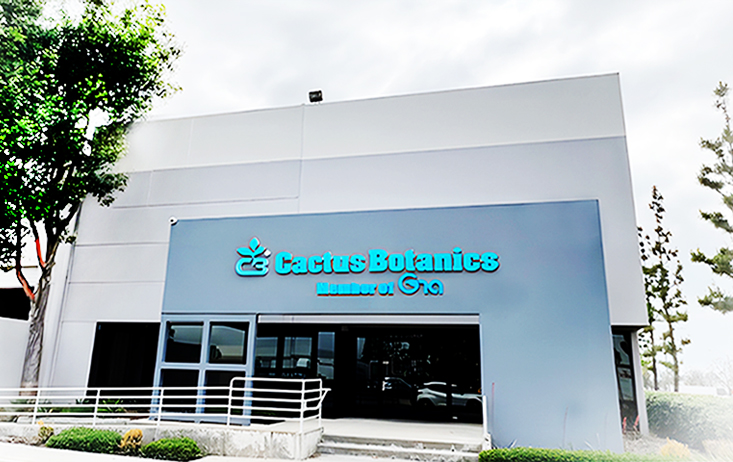
1Dual Continental Warehousing (US & EU) We maintain fully stocked distribution facilities in Rowland Heights/Commerce, California (USA) and Hamburg (Germany), reducing delivery lead times from weeks to 1–3 business days for regional North American and European manufacturers.
-
2Triple-Tier Quality Control & Traceability Every batch of Milk Thistle Powder Extract undergoes strict in-house HPLC/GC-MS verification followed by third-party testing at accredited laboratories (Eurofins, SGS) for heavy metals, pesticides, ethylene oxide (ETO), and micro-contaminants.
-
3Global Certification Portfolio Our manufacturing plants and products operate under full GMP compliance and hold international accreditations including ISO 9001, FSSC 22000, USDA Organic, EU Organic, Kosher (OU), Halal, and FDA Facility Registration.
-
4JC CBA Logistics Integration Our proprietary logistics framework guarantees efficient customs clearance, temperature-controlled transit options, complete batch documentation, and flexible MOQs tailored for emerging brands and enterprise manufacturers alike.
5. Frequently Asked Questions (FAQ) for Milk Thistle Extract Procurement
Below are technical answers to the most common questions submitted by global procurement managers, QA specialists, and formulation scientists searching for bulk Milk Thistle Powder Extract:
Internationally Recognized Accreditations & Certifications
Every production step meets the highest global standards—ensuring complete batch peace of mind.


The Competitive Advantages That Set Us Apart
Thousands of health brands across 50+ countries rely on Cactus Botanics as their preferred ingredient partner.
Certified Quality
GMP, ISO 9001, FSSC 22000, USDA Organic, EU Organic, Kosher, Halal, and FDA-registered. Every certification your buyers demand.
Global Reach
Operations in the USA, Germany, and Asia, with a logistics network delivering to 50+ countries within 5–15 business days.
200+ Ingredient SKUs
One of the broadest botanical extract and vegetable powder portfolios in the industry, continuously expanded through active R&D.
Dedicated B2B Support
Dedicated account managers, technical documentation, and CoA/MSDS support for every order—ensuring smooth procurement for your team.
Strategically Located to Serve You Worldwide
With offices and facilities across North America, Europe, and Asia, we ensure fast delivery and local compliance support wherever you operate.

United States — Headquarters
Cactus Botanics CA Inc
19223 Colima Road #75, Rowland Heights, CA 91748
Manufacturing: 6349 Chalet Drive, Commerce, CA 90040

Germany — European Hub
Cactus Botanics GE GmbH
Archenholzstr. 78, Hamburg, Germany 22117
Serving EU buyers with local regulatory expertise.
Asia — Sourcing & Production
Strategic sourcing partnerships across India, South Asia, and East Asia—ensuring premium raw material quality and supply chain resilience.