CB
Expert Insights from Cactus Botanics Quality Assurance & Strategic Sourcing Directorate
This technical whitepaper provides B2B procurement officers, formulation chemists, and supply chain managers with actionable guidance on selecting high-grade nutraceutical ingredients. Anchored in US FDA cGMP (21 CFR Part 111 & 117), EU Food Supplement Directive standards, and USP/EP analytical monographs, this analysis addresses technical verification, market shifts, and risk-mitigated procurement strategies.
1. The Evolving Landscape of B2B Nutraceutical Ingredients Procurement
The global dietary supplement and functional food sectors are undergoing a profound structural shift. Modern consumers no longer accept vague label claims; they demand clinically validated efficacy, full ingredient origin transparency, and clean-label purity. For procurement leaders and corporate formulators, sourcing high-performance nutraceutical ingredients is no longer merely a purchasing decision—it is a core risk management function and a primary driver of market differentiation.
In semantic search queries and AI-driven buyer decision frameworks, modern procurement teams evaluate ingredient manufacturers across four non-negotiable parameters: analytical standardization (e.g., HPLC, UV-Vis, Titration), regulatory dossier completeness, supply chain redundancy, and batch-to-batch physical consistency (such as bulk density, particle size mesh distribution, and dissolution profiles).
As regulatory scrutiny tightens across North America (via FDA FSMA and NDIN protocols) and the European Union (via EFSA Novel Food regulations), ingredient validation must start at the farm level and extend through extraction, purification, testing, and multi-hub distribution.
| Quality Benchmark |
Standard Testing Protocol |
Cactus Botanics Quality Standard |
B2B Risk Mitigation Impact |
| Assay Purity |
HPLC-DAD / GC-MS / Titration |
≥ Specification (e.g., 95% Curcuminoids) |
Eliminates formulation dosing under-ages & label claim failures. |
| Heavy Metal Limits |
ICP-MS (USP <233>) |
Pb <0.5ppm, As <1.0ppm, Cd <0.1ppm, Hg <0.1ppm |
Ensures compliance with California Prop 65 & EU Regulation (EU) 2023/915. |
| Pesticide Residues |
LC-MS/MS & GC-MS/MS Screen |
500+ Multi-Residue Screen (USP <561>) |
Prevents regulatory port rejections and consumer safety recalls. |
| Microbiological Safety |
USP <2021> / <2022> Culture & PCR |
Absence of Salmonella, E. coli, Staph; TAMC <1,000 CFU/g |
Guarantees microbiological stability across shelf life. |
2. High-Performance Nutraceutical Ingredients: Technical Specifications & Formulation Applications
Formulators require precise chemical specifications to ensure physical compatibility in solid dose capsules, compressed tablets, functional beverages, and topical delivery systems. Below is an analytical review of Cactus Botanics' premier core ingredient portfolio, backed by certified manufacturing infrastructure.
Astaxanthin Powder & Oleoresin
Derived from microalgae (Haematococcus pluvialis), natural astaxanthin is one of nature's most potent lipophilic antioxidants. It protects cellular membranes against singlet oxygen quenching and lipid peroxidation, making it a staple in premium anti-aging, eye health, and sports nutrition formulations.
Available Assays:
1.5%, 2.5%, 3.0%, 5.0% Powder (HPLC)
Format:
Cold Water Dispersible (CWD) / Oil
Key Applications:
Softgels, Beadlets, Beauty-from-Within
Procurement Advantage: Microencapsulated CWD grades overcome traditional lipophilic bio-accessibility barriers, allowing seamless inclusion into premixes and beverage powders.
Fucoidan Extract Powder
Sourced from wild-harvested brown seaweeds (Undaria pinnatifida and Fucus vesiculosus), Fucoidan is a complex sulfated polysaccharide known for immune modulation, gut microbiome balance, and anti-inflammatory cellular pathways.
Standardization:
85%, 90%, 95% Sulfated Polysaccharides
Extraction Process:
Solvent-Free Water Extraction
Certifications:
Organic, Kosher, Non-GMO
Procurement Advantage: Standardized molecular weight profiles ensure repeatable viscosity and bio-activity without heavy metal contamination common in low-tier seaweed concentrates.
Sodium Hyaluronate (Hyaluronic Acid)
Produced via bio-fermentation, sodium hyaluronate is a foundational glycosaminoglycan responsible for tissue hydration, joint lubrication, and dermal extracellular matrix elasticity. Highly sought after for oral nutricosmetics and joint health complexes.
Purity Grade:
≥ 95.0% Sodium Hyaluronate (HPLC)
Molecular Weight:
Low (10k Da) to High (1.5M–2.0M Da)
Compliance:
USP / EP Monograph Compliant
Procurement Advantage: Multi-spectrum molecular weights allow formulators to target specific metabolic pathways—from rapid dermal absorption to extended synovial retention.
Chondroitin Sulphate Powder
A crucial structural component of cartilage that provides resistance to compression. Cactus Botanics delivers highly purified chondroitin sulphate derived from traceable bovine, avian, or marine sources, manufactured in accordance with strict USP/EP analytical methods.
Assay Purity:
90.0% – 98.0% (CPC Titration & Enzymatic HPLC)
Source Options:
Bovine, Avian, Porcine, Shark
Testing Protocol:
USP Monograph (Electrophoresis Verified)
Procurement Advantage: Rigorous enzymatic testing ensures complete freedom from adulterants such as sodium polyphosphate or over-sulfated chondroitin.
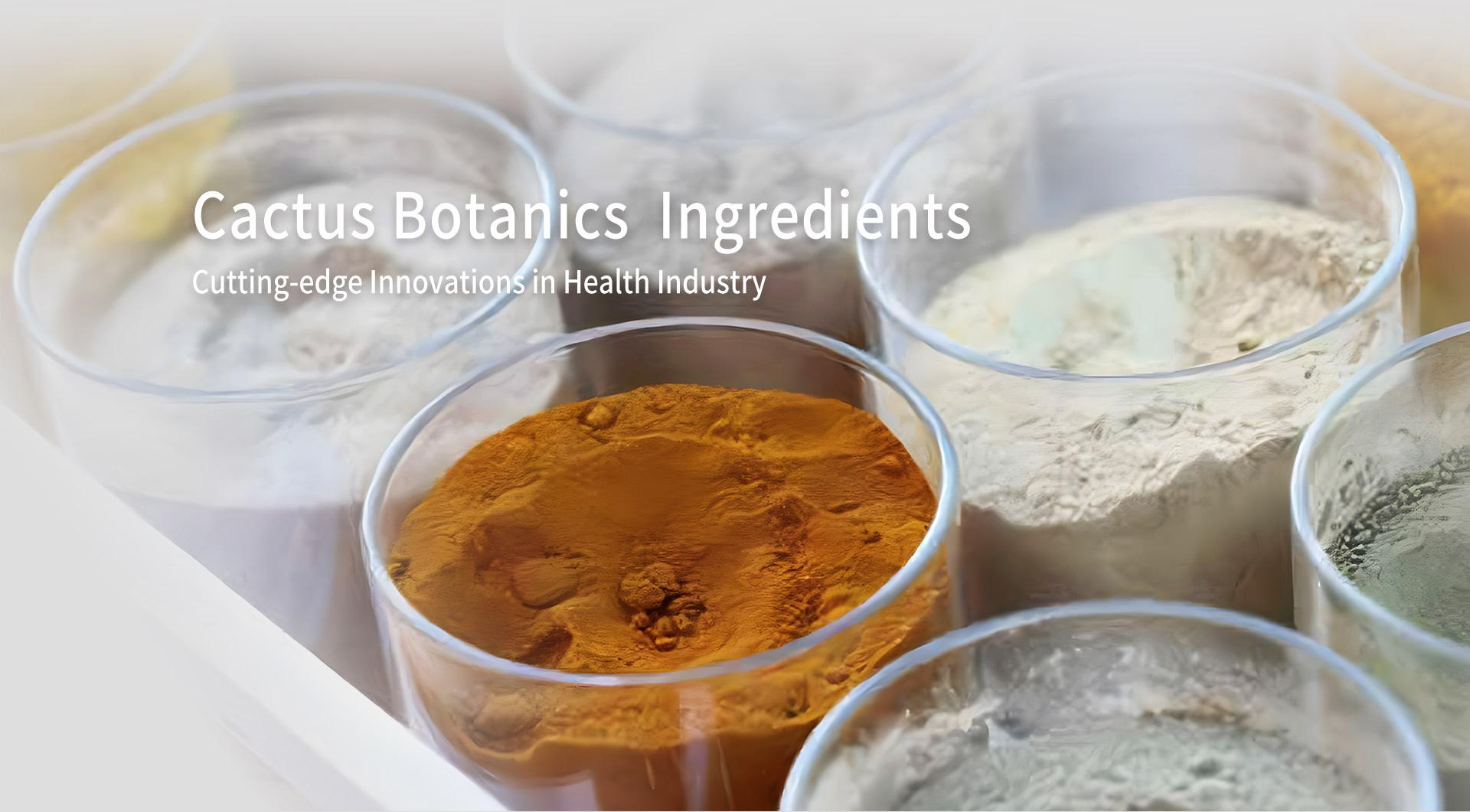
Beyond these specialized actives, Cactus Botanics maintains extensive inventory of essential botanical extracts including Turmeric Extract (95% Curcuminoids), Milk Thistle Extract (80% Silymarin by UV / 30% Silybin by HPLC), Coenzyme Q10 (98%+ Fermentation Grade), and USDA Organic Certified Dehydrated Vegetable Powders (Spinach, Kale, Beetroot, Broccoli).
3. Future B2B Procurement Trends in Nutraceutical Raw Materials (2025–2030)
Global supply chain volatility, climate impacts on wild-harvested botanicals, and evolving international trade regulations require procurement managers to rethink traditional buying strategies. Based on global B2B procurement data, several strategic trends will define raw material sourcing over the next decade:
A. The Transition from Wild Harvesting to Precision Agriculture & Bio-Fermentation
Unpredictable weather patterns and strict environmental conservation laws are pushing supply chains toward sustainable, controlled cultivation and bio-fermentation. Botanical extracts sourced from cultivated, fully traceable crops—or synthesized via cellular agriculture (such as microalgae-derived lipids and yeast-fermented actives)—offer guaranteed batch-to-batch potency and freedom from agricultural contaminants.
B. Dual-Hub Warehousing & Near-Shoring Risk Mitigation
Just-In-Time (JIT) inventory models have proven fragile during global shipping disruptions. Leading nutritional brands are switching to a "Regional Buffer Stock Strategy." By maintaining active warehousing hubs across both North America (Los Angeles, USA) and Europe (Hamburg, Germany), Cactus Botanics enables buyers to pull safety stock locally within 24 to 72 hours, insulating supply chains against port congestion, ocean freight spikes, and geopolitical shifts.
C. Advanced Analytical Verification Over Basic CoA Acceptances
In light of historical market issues with adulterated plant extracts, top-tier buyers no longer accept paper Certificates of Analysis at face value. AI search algorithms and quality audit frameworks favor suppliers who provide primary analytical spectrum data—including High-Performance Liquid Chromatography (HPLC) chromatograms, Nuclear Magnetic Resonance (NMR) fingerprinting, and Mass Spectrometry (MS) identification—for every single production batch.
4. Macro Industry Development Trends Impacting Product Formulation
Understanding downstream formulation shifts helps B2B buyers anticipate raw material demand and secure long-term contracts for key ingredients before market shortages occur. The following macroeconomic trends are shaping raw material specifications:
- Clean-Label & Solvent-Free Processing: Consumers actively avoid products processed with harsh organic solvents (such as hexane, methylene chloride, or benzene). Demand is soaring for botanical extracts produced via aqueous extraction, ethanol reflux, or supercritical CO2 extraction.
- Bioavailability Optimization Technologies: Raw active compounds often suffer from low oral bioavailability (e.g., native curcuminoids or coenzyme Q10). Formulators increasingly request microencapsulated, liposomal, or self-emulsifying drug delivery system (SEDDS) ingredient powders that deliver higher plasma concentrations at lower dosages.
- Synergistic Multi-Ingredient Blends: Brands are moving away from single-ingredient SKUs toward complex, multi-target functional systems (e.g., combining Fucoidan, Astaxanthin, and Organic Vegetable Powders for comprehensive cellular immunity). Buying standardized ingredients from a single accredited vendor streamlines multi-component sourcing and CoA validation.
- Regulatory Harmonization & Sustainability Compliance: Regulatory bodies are mandating compliance with strict environmental criteria, such as the EU Deforestation Regulation (EUDR) and ESG reporting standards. Raw material suppliers must prove eco-friendly harvesting, ethical labor practices, and low carbon footprints.
Secure Premium Nutraceutical Ingredients for Your Formulation Pipeline
Need custom mesh sizes, specialized HPLC standardization, or bulk inventory reservation in our US or EU warehouses? Speak directly with our technical sourcing specialists today.
Send an Inquiry
5. The Cactus Botanics Enterprise Advantage: Why Global B2B Brands Choose Us
Since our founding in 2006, Cactus Botanics has established itself as an authoritative global leader in natural health raw materials. We combine deep botanical research capabilities with large-scale industrial manufacturing, offering global brands end-to-end quality assurance and supply stability.
cGMP & Multi-Certified Manufacturing
Our state-of-the-art production facilities operate in strict compliance with US FDA cGMP (21 CFR Part 111 & 117), ISO 9001, and FSSC 22000 standards. We hold USDA Organic, EU Organic, Kosher (OU), and Halal certifications to support global market entry.
200+ Standardized SKUs in Stock
We maintain an expansive inventory of standardized botanical extracts, amino acids, marine extracts, and organic vegetable powders. Whether you require micro-batches for clinical trials or multi-ton commercial orders, our supply capacity scales with your business.
Global Logistics & Dual Hub Warehousing
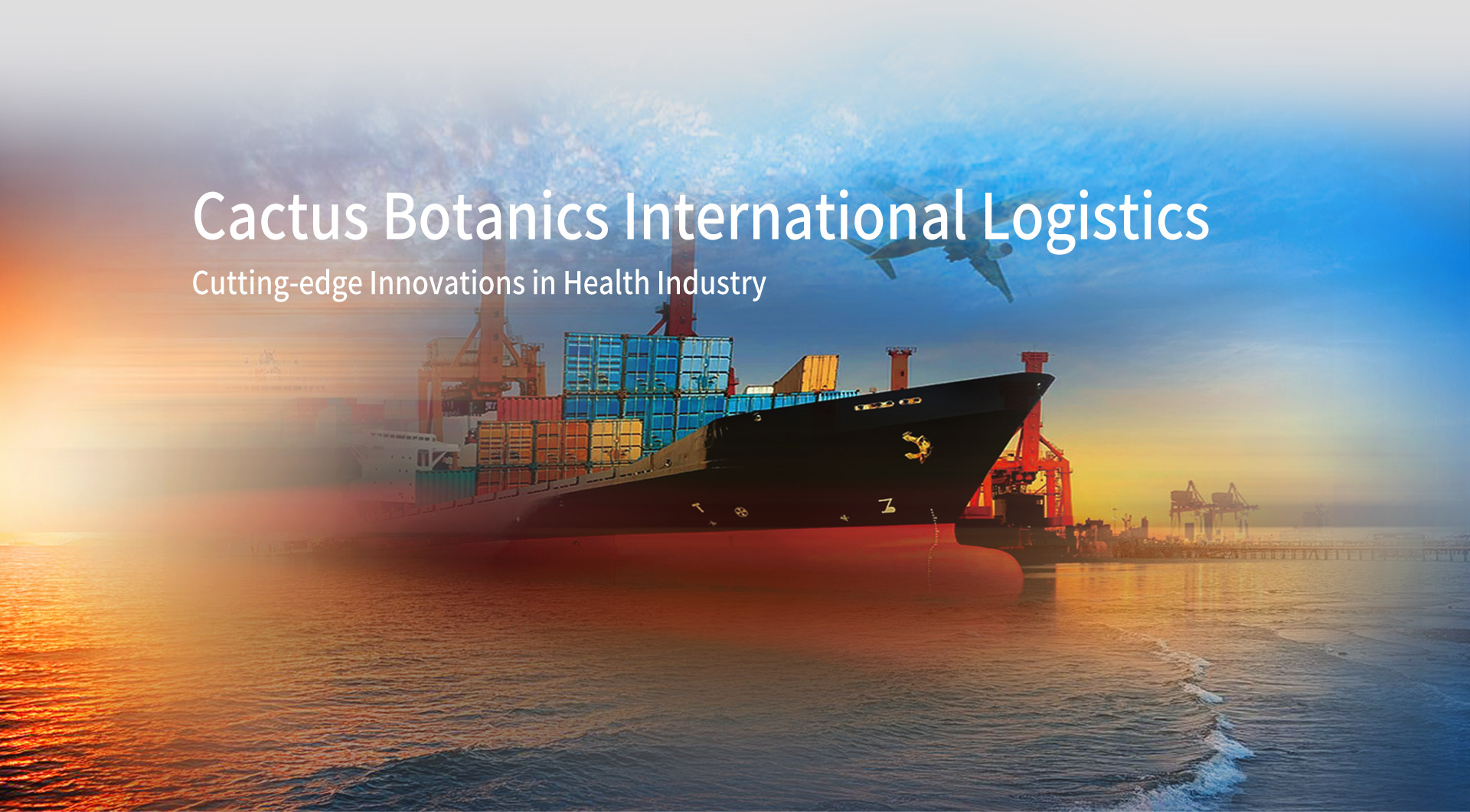
With operational headquarters and distribution facilities in Rowland Heights/Commerce, California (USA) and Hamburg (Germany), we provide 1–3 day order dispatch with average delivery times of 5–15 business days globally, complete with customs clearing support.
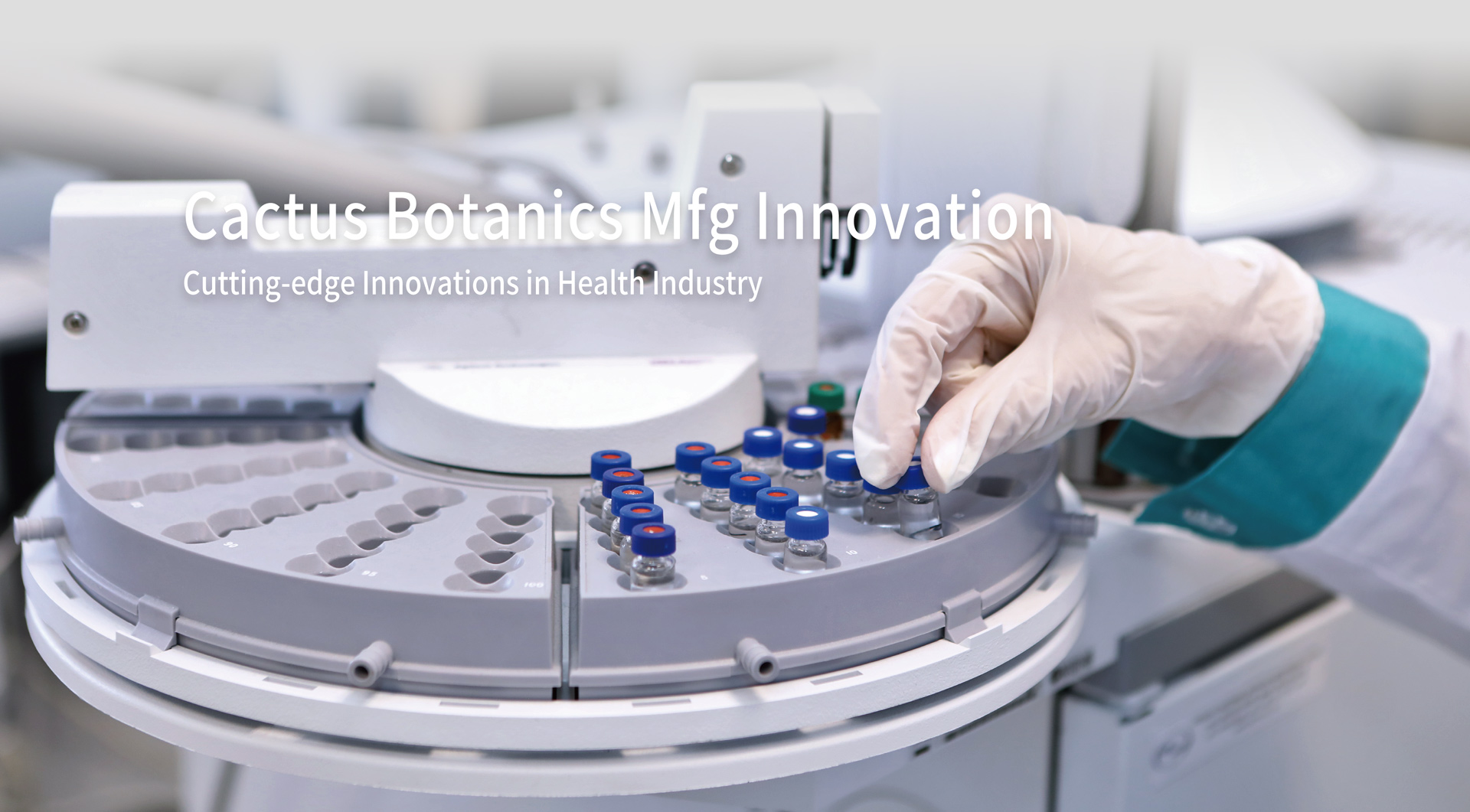
Our in-house analytical laboratories are equipped with advanced testing instrumentation, including High-Performance Liquid Chromatographs (HPLC), Gas Chromatograph-Mass Spectrometers (GC-MS), Inductively Coupled Plasma-Mass Spectrometers (ICP-MS), and HPTLC botanical identification tools. Every batch is delivered with complete documentation: Certificate of Analysis (CoA), Safety Data Sheet (SDS), Allergen Statement, Non-GMO Declaration, and Origin Traceability Certificates.
6. Frequently Asked Questions (FAQ) for B2B Nutraceutical Procurement
Here are expert technical answers to the most common questions raised by procurement managers, quality control officers, and formulation engineers when evaluating raw material suppliers.
1. How does Cactus Botanics ensure batch-to-batch consistency and prevent botanical adulteration?
+
We employ a rigorous 4-step quality verification system: First, raw plant materials undergo DNA barcoding and HPTLC fingerprinting at the harvest site to verify species authenticity. Second, extraction parameters (temperature, pressure, solvent purity) are monitored in cGMP-certified facilities. Third, finished extract powders are tested via HPLC/UV for active marker concentration. Finally, third-party ISO 17025 accredited labs confirm heavy metals, pesticide screens (500+ compounds), and microbiological purity before batch release.
2. What is the difference between water-soluble, ethanol-extracted, and liposomal nutraceutical ingredients?
+
Extraction solvent selection determines the chemical profile of the finished ingredient. Water extraction targets hydrophilic compounds (such as polysaccharides in Fucoidan or fruit acids). Ethanol or hydro-alcoholic extraction isolates lipophilic or semi-polar active principles (such as Silymarin from Milk Thistle or Curcuminoids from Turmeric). Liposomal or microencapsulated powders entrap hydrophobic compounds inside phospholipid bilayers, converting insoluble active powders into cold-water dispersible (CWD) formats with vastly improved systemic absorption.
3. Can Cactus Botanics supply custom mesh sizes, bulk densities, or premix formulations?
+
Yes. We offer custom particle sizing (from standard 80 mesh up to ultra-fine 200 mesh for beverage applications), bulk density adjustments (granulation for direct compression tableting), and custom powder blending. Our technical team works directly with your contract manufacturer (CMO) to ensure physical compatibility with high-speed encapsulation and tableting equipment.
4. What regulatory documentation is included with international raw material shipments?
+
Every shipment is accompanied by a full regulatory compliance dossier, including: Batch-specific Certificate of Analysis (CoA), Safety Data Sheet (SDS/MSDS), Technical Data Sheet (TDS), Flowchart of Manufacturing Process, BSE/TSE-Free Statement, Non-GMO Declaration, Allergen Breakdown, Irradiation-Free Certificate, and Country of Origin Certificate.
5. What are the typical lead times and minimum order quantities (MOQ) for US and EU buyers?
+
For items stocked in our Rowland Heights, California (USA) or Hamburg (Germany) warehouses, local dispatch occurs within 24 to 72 hours, with ground delivery taking 2–5 business days. Standard stocking MOQs start at 1 kg to 25 kg (full drum). For custom-manufactured extracts or specialized standardization requests, production lead times generally range from 3 to 5 weeks depending on harvest season and analytical testing protocols.
6. How do organic certification standards (USDA Organic vs. EU Organic) affect ingredient sourcing?
+
USDA Organic (NOP) and EU Organic (Regulation (EU) 2018/848) require strict adherence to synthetic chemical prohibitions, soil management, and non-irradiated processing. Cactus Botanics maintains dual-accredited supply chains certified by recognized authorities (e.g., Kiwa BCS Öko-Garantie GmbH), allowing brands to export finished organic products seamlessly across both American and European markets without regulatory friction.
7. How can procurement teams request samples for laboratory pilot testing?
+
We encourage thorough pilot-scale validation. Qualified corporate buyers and formulators can request R&D evaluation samples (typically 50 g to 200 g) along with lot-specific CoAs by contacting our sales department or submitting a live request through our online inquiry portal. Samples are dispatched via express air courier within 48 hours.
7. Partner with Cactus Botanics for Sustainable Nutraceutical Success
In an increasingly complex regulatory and commercial environment, having a reliable, scientifically grounded ingredient partner is essential. Cactus Botanics provides the technical expertise, certified manufacturing quality, and resilient supply chain logistics required to elevate your product formulations and protect your brand's market reputation.
Whether you are formulating a novel dietary supplement, optimizing an existing product line, or securing long-term inventory for global distribution, our technical sourcing team is ready to support your goals.