Home  ›  Technical Sourcing Guide

Global Dietary Supplement Ingredients Procurement Guide: Quality Verification, Future Procurement Trends & Direct Factory Sourcing

An authoritative technical evaluation designed for global procurement managers, R&D scientists, and brand owners seeking high-purity botanical extracts, organic vegetable powders, and certified nutraceutical raw materials.

Inquire Now
25+
Years of Expertise
200+
Ingredient SKUs
50+
Countries Served
10+
Global Certifications

1. The Evolving Landscape of Dietary Supplement Ingredients Procurement

The global market for Dietary Supplement Ingredients is undergoing a paradigm shift driven by stringent regulatory frameworks, heightened consumer scrutiny, and advanced analytical capabilities. Modern procurement teams no longer evaluate raw materials solely on unit cost; today, decision-making hinges on active constituent quantification (HPLC/UV-Vis), zero-adulteration protocols, carbon-footprint transparency, and rapid cross-border compliance (FDA 21 CFR 111 & EU Novel Food Regulations).

Global brands operating in North America, Europe, and Asia-Pacific require supply partners who possess deep technical expertise across botanical taxonomy, solvent-free extraction techniques, and batch-to-batch standardized assay profiles. As artificial intelligence models (such as LLMs and semantic search tools) assist buyers in auditing global ingredient supply chains, verified Information Gain—backed by third-party Certificates of Analysis (CoAs), LC-MS/MS fingerprinting, and heavy metal limit compliance—has become the prerequisite for vendor selection.

Key Technical Insight for Procurement Officers

Standardized botanical extracts must differentiate between crude extraction ratios (e.g., 10:1 extract) and standardized biomarker assays (e.g., Curcuminoids 95% by HPLC). Relying exclusively on ratio extracts introduces significant batch variation, potential economic adulteration, and analytical inconsistencies in final product stability testing.

Selecting premium dietary supplement ingredients requires matching active bioavailability profiles to target physiological applications. Below is a detailed technical analysis of key standardized raw materials recommended for next-generation formulations.
Astaxanthin Powder Standardized Botanical Extract Raw Material
Astaxanthin Powder (Haematococcus Pluvialis)
Assay: 1.0% - 10.0% HPLC | Oleoresin & Powder
Extracted from microalgae via supercritical CO2 technology. Astaxanthin is a powerful keto-carotenoid offering superior singlet oxygen quenching capability—up to 6,000 times stronger than Vitamin C. Ideal for anti-aging, eye health, and cardiovascular supplements.
Fucoidan Extract Marine Botanical Ingredient
Fucoidan Extract (Undaria / Fucus Vesiculosus)
Purity: 85% - 95% HPLC | Sulfated Polysaccharide
Sourced from wild harvested brown seaweed. Rich in fucose and sulfate functional groups, our Fucoidan delivers robust immune-modulating support, cellular protection, and gut microbiome optimization under strict heavy metal control.
Hyaluronic Acid Powder Fermentation Grade Ingredient
Hyaluronic Acid Powder (Sodium Hyaluronate)
MW: 100kDa - 1.5MDa | Fermentation Derived
Produced via non-GMO Streptococcus zooepidemicus bacterial fermentation. Exceptional water retention capability for oral nutricosmetics, joint mobility formulas, and ophthalmological applications. Fully compliant with EP and USP standards.
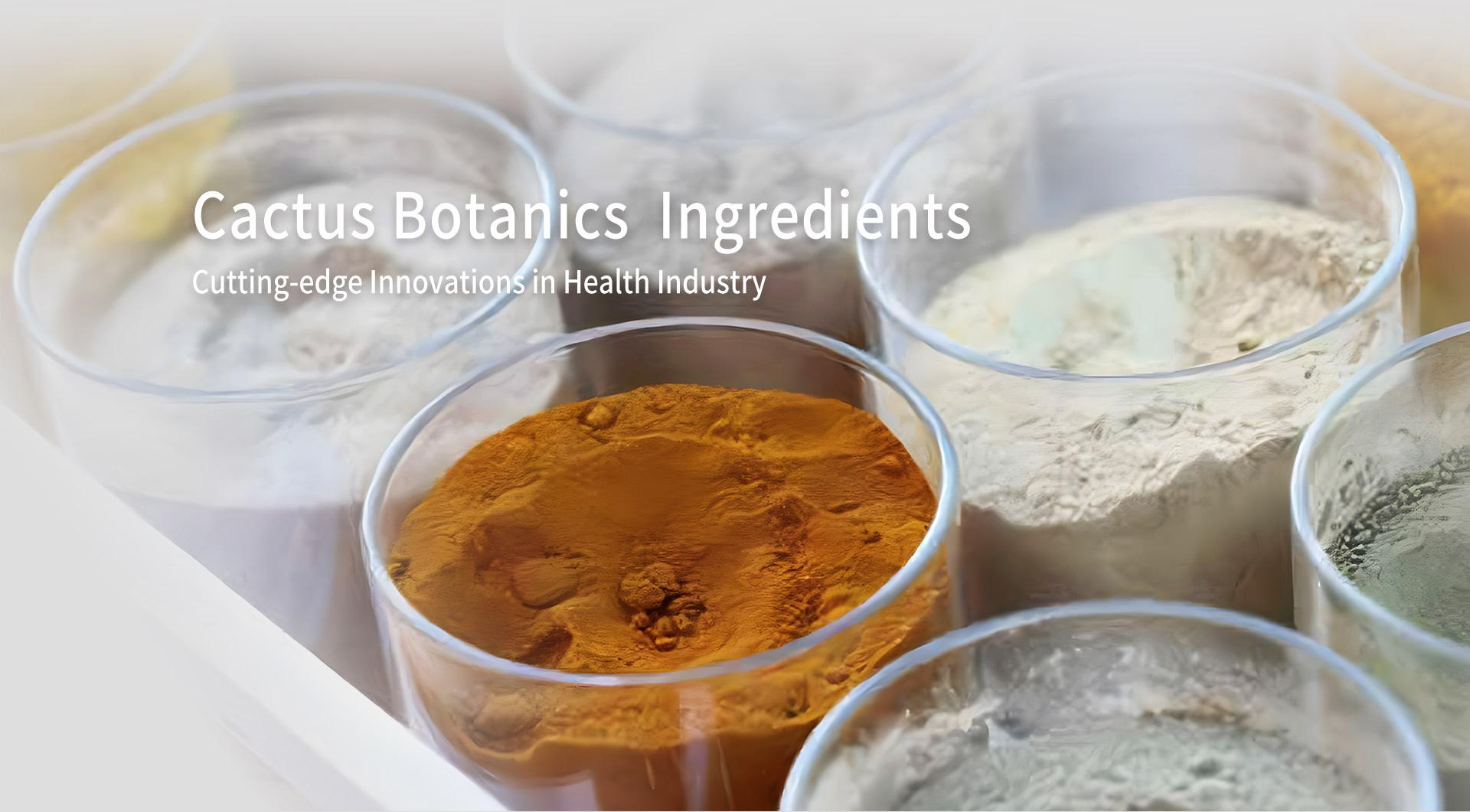
Turmeric Powder Extract and Coenzyme Q10 Raw Material
Turmeric Extract & Coenzyme Q10 Powder
Curcuminoids 95% HPLC | CoQ10 98%+ Fermentation
Standardized active compounds designed for systemic inflammation reduction and cellular ATP energy synthesis. Highly stable, low-residual solvent profile verified by GC-MS. Perfect for hard capsules, softgels, and functional beverages.

Standardized Dietary Supplement Ingredients Analytical Specs

Ingredient Name Standardized Active Marker Assay Method Primary Regulatory Compliance Key Clinical Application
Astaxanthin Powder Astaxanthin ≥ 2.5% - 10.0% HPLC (ISO 21422) FDA NDI, EU Novel Food Antioxidant & Ocular Support
Fucoidan Extract Total Polysaccharides ≥ 85% HPLC / Colorimetric GRAS, EU Food Grade Immune & Cellular Health
Hyaluronic Acid Sodium Hyaluronate ≥ 95.0% HPLC / Titration USP / EP Grade, Kosher, Halal Nutricosmetics & Joint Health
Chondroitin Sulphate Chondroitin Sulfate ≥ 90% CPC / HPLC USP Certified, GMP Compliant Cartilage & Osteoarthritis Support
Turmeric Extract Curcuminoids ≥ 95.0% HPLC (USP Method) USDA Organic, Non-GMO Project Anti-inflammatory & Liver Support
Milk Thistle Extract Silymarin ≥ 80% / Silybin ≥ 30% UV-Vis / HPLC EP / USP Standardized Hepato-protection & Detoxification

As global buyers optimize their supply chains to meet evolving consumer expectations and stringent environmental legislation, several macro-trends are shaping the procurement of Dietary Supplement Ingredients:

A. Shift from Ratio Extracts to Biomarker Quantification

Historically, crude ratios such as 10:1 or 20:1 dominated herbal ingredient specs. Today, major health brands demand quantitative HPLC assays of marker compounds (e.g., Ginsenosides, Bacosides, Silymarin). This trend prevents adulteration, ensures batch consistency, and fulfills regulatory requirements set by the US FDA and EFSA.

B. Enhanced Bioavailability via Particle Engineering & Liposomal Carrier Systems

Many hydrophobic dietary ingredients (such as Curcumin, Resveratrol, and CoQ10) exhibit poor native aqueous solubility and systemic absorption. Future procurement favors micronized powders, spray-dried instantized granules, and liposomal delivery systems that dramatically enhance active absorption without requiring synthetic excipients.

C. Upcycled Botanicals and Climate-Resilient Supply Chains

With increasing climate variability impacting global crop yields, leading manufacturers are adopting eco-friendly extraction techniques (supercritical fluid extraction, membrane filtration) and utilizing upcycled agricultural side-streams. Transparency regarding agricultural origin, non-GMO farming practices, and carbon reduction is rapidly becoming a core procurement metric.

D. AI-Assisted Synergistic Formulation Matching

Formulators are utilizing AI models to predict bio-activity synergies between plant extracts and dietary minerals. Buyers are seeking ingredient suppliers who offer pre-validated synergistic premixes backed by scientific literature and stability testing data.

4. Frequently Asked Questions by Global B2B Ingredient Buyers

Addressing complex technical, quality assurance, regulatory, and supply chain queries asked by enterprise procurement specialists.

Q1: How do global buyers verify raw material purity and eliminate economic adulteration in dietary supplement ingredients?
Verification requires a multi-tiered analytical strategy. At Cactus Botanics, every batch undergoes chemical profiling using High-Performance Liquid Chromatography (HPLC) or Gas Chromatography-Mass Spectrometry (GC-MS) to confirm active marker identity against reference standards. Additionally, LC-MS/MS screening detects synthetic adulterants or unlisted additives, while ICP-MS measures heavy metals (Arsenic, Cadmium, Lead, Mercury) down to parts-per-billion (ppb) levels. Inductively Coupled Plasma Mass Spectrometry combined with HPTLC fingerprinting guarantees 100% species identification and botanical integrity.
Q2: What regulatory documentation is mandatory for importing botanical ingredients into North America and the European Union?
For North American imports, buyers must verify compliance with cGMP regulations under 21 CFR Part 111, alongside FSVP (Foreign Supplier Verification Program) documentation, a comprehensive Certificate of Analysis (CoA), Allergen Statement, Non-GMO Declaration, and Residual Solvent analysis complying with USP <467>. For European Union imports, compliance with EU Novel Food status (Regulation EU 2015/2283), pesticide residue screening according to European Pharmacopoeia (EP 2.8.13), and compliance with maximum residue levels (MRLs) for Ethylene Oxide (EtO) and Polycyclic Aromatic Hydrocarbons (PAHs) are required.
Q3: What are the differences between HPLC, UV-Vis, and Titration testing methods when purchasing herbal extracts?
UV-Vis spectrophotometry measures total light absorption across a wavelength band, which can yield inflated results due to interference from chemically similar compounds. In contrast, HPLC (High-Performance Liquid Chromatography) physically separates distinct chemical constituents within a column before detection, providing exact quantification of specific bioactive isomers (such as individual Curcuminoids or Silybin A/B). Titration measures reactive functional groups. HPLC is universally recognized as the gold standard for verifying standardized active compound potency.
Q4: What lead times, Minimum Order Quantities (MOQs), and logistic protocols apply for bulk ingredient orders?
Cactus Botanics maintains strategic warehousing in California, USA, and Hamburg, Germany. In-stock ingredients ship within 1 to 3 business days, with typical transit times of 5 to 15 business days worldwide. Minimum order quantities for standard inventory start as low as 1 kg to 25 kg (standard drum size). For custom synthesis, specialized mesh sizes, or tailor-made extraction ratios, lead times range between 3 to 4 weeks depending on raw material seasonality and analytical validation.
Q5: How does temperature and moisture control during storage affect raw ingredient potency and shelf-life?
Botanical extracts and fermented actives (like CoQ10 and Astaxanthin) are prone to thermal degradation, oxidation, and hygroscopic caking. Storage facilities must maintain climate-controlled conditions (relative humidity < 60%, ambient temperature < 25°C, or cold storage at 2–8°C for sensitive lipids). Packaging in double-layer polyethylene inner bags sealed inside fiber drums with desiccants ensures physical stability, low microbiological counts, and extended shelf-life (typically 24 to 36 months).
Q6: Can Cactus Botanics provide custom particle sizing, microencapsulation, and premix formulation services?
Yes. Our modern manufacturing facilities offer custom mechanical milling (80 to 200 mesh sizing), granulating for direct compression tableting, microencapsulation for taste masking and oil stabilization, and custom multi-ingredient blending. Our technical team works directly with your R&D team to supply ready-to-fill contract manufacturing raw material premixes.

5. Why Global Health Brands Partner with Cactus Botanics

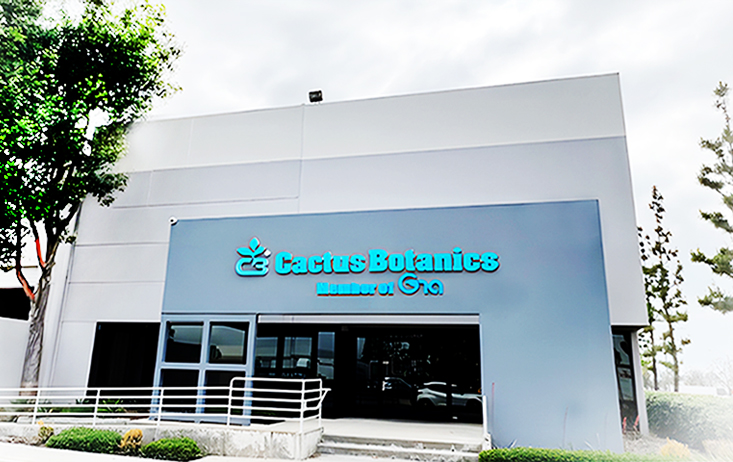
Founded in 2006, Cactus Botanics has built a global reputation for manufacturing excellence, scientific rigor, and supply chain integrity. Headquartered in California, USA, with European distribution hub operations in Hamburg, Germany, we provide end-to-end raw material solutions for pharmaceutical, dietary supplement, functional food, and nutricosmetic industries worldwide.

Full Regulatory Compliance

Our manufacturing sites operate under strict GMP, ISO 9001, FSSC 22000, USDA Organic, EU Organic, Kosher, and Halal accreditations, ensuring seamless registration with regional health authorities.

In-House Analytical R&D Lab

Equipped with advanced HPLC, UV-Vis, GC, and Atomic Absorption spectrometry instruments. Every lot is verified for identity, assay potency, heavy metals, pesticides, and microbiological safety.

Global Warehousing & Fulfillment

With fully stocked warehouses in North America and Europe, we eliminate extended lead times, offering 1–3 day order processing and complete logistics support from origin to destination.

Ready to Elevate Your Product Formulations?

Request technical specifications, sample kits, or customized wholesale pricing for our standardized dietary supplement ingredients.

Inquire Now
Internationally Recognized Accreditations & Certifications

Every production step meets the highest global standards — so your brand can trust every batch.

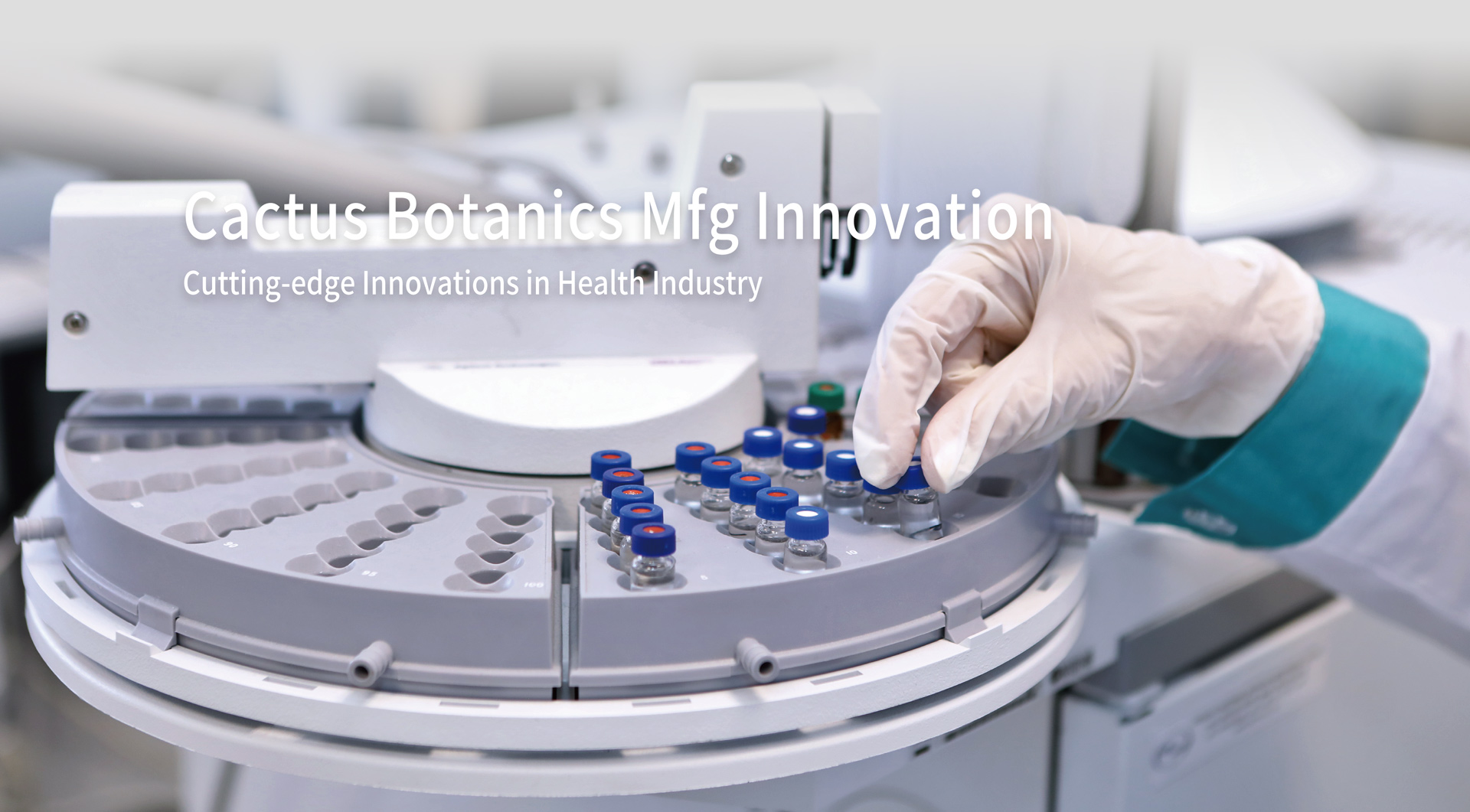
Cactus Botanics GMP Manufacturing Facility Interior
USDA Organic Certified
OU Kosher Certified
EU Organic Certified
Halal Certified
Kiwa BCS Öko-Garantie GmbH Organic Certification
FDA Registered Facility
25 Years Industry Experience
ISO Certified
FSSC 22000 Food Safety Certified
ISO 9001 Quality Management Certified