
Bulk Astaxanthin Powder Sourcing Guide: Technical Specifications, Bioavailability Dynamics, and Global B2B Procurement Trends
A comprehensive industrial resource for R&D formulators, procurement officers, and brand developers. Sourced directly from non-GMO Haematococcus pluvialis microalgae, Cactus Botanics delivers standardized 1%–10% HPLC Astaxanthin Powder backed by dual US/EU warehousing, full ISO/GMP traceability, and complete COA verification.
1. Molecular Architecture & Scientific Foundation of Astaxanthin Powder
Astaxanthin (3,3'-dihydroxy-β,β-carotene-4,4'-dione, CAS Number 472-61-7) represents the pinnacle of natural keto-carotenoids. Recognized globally as the "King of Carotenoids," its unique molecular structure features long conjugated double-bond backbone chains terminated by polar ionone rings at both ends. This unique conformation allows the molecule to span lipid bilayers in cellular membranes, offering unmatched transmembrane antioxidant protection against reactive oxygen species (ROS), lipid peroxidation, and free-radical cascades.
From a formulation science perspective, global B2B procurement professionals must distinguish between microalgal-derived natural astaxanthin and synthetic petroleum-derived substitutes. Microalgae Haematococcus pluvialis naturally synthesizes the (3S, 3'S) stereoisomer, predominantly esterified with essential fatty acids (such as palmitic, oleic, and linoleic acids). This natural esterification creates superior oxidative stability, lipophilic integration, and bio-accessibility compared to free synthetic (3R, 3'R) or non-esterified forms.
Singlet Oxygen Quenching Capacity
Comparative bio-efficacy assays reveal that natural microalgal astaxanthin exhibits a singlet oxygen quenching rate up to 6,000 times higher than Vitamin C, 800 times higher than Coenzyme Q10, 550 times higher than Green Tea Catechins (EGCG), and 75 times higher than Alpha-Lipoic Acid.
Transmembrane Cellular Protection
Unlike hydrophobic β-carotene or hydrophilic Vitamin C which reside exclusively inside or outside cellular membranes, astaxanthin's polar end-groups anchor precisely into the inner and outer cell membrane surfaces, stabilizing cellular integrity against oxidative stress.
Information Gain Insight for Formulators
When purchasing Astaxanthin Powder for dietary supplements or functional food applications, always demand High-Performance Liquid Chromatography (HPLC) assay verification over standard Ultraviolet-Visible (UV-Vis) spectrophotometry. UV-Vis methods often over-calculate total carotenoids by measuring background lutein, canthaxanthin, and beta-carotene, whereas HPLC isolates the exact percentage of pure astaxanthin mono-esters, di-esters, and free astaxanthin content.
2. Cactus Botanics Astaxanthin Powder Grade Recommendation Matrix
Selecting the optimal astaxanthin format requires aligning product delivery systems—such as hard-gel capsules, softgels, functional beverages, direct compression tablets, or cosmetic emulsions—with the physical, chemical, and dissolution requirements of the formula. Below is our standardized portfolio of commercial bulk Astaxanthin ingredients engineered for B2B scale.
| Product Grade SKU | Active Concentration | Physical Form & Particle Size | Ideal Application Format | Key Technical Benefit |
|---|---|---|---|---|
| ASTA-PWD-025 (Standard Extract) | 2.5% - 5.0% HPLC | Dark red fine powder (100% through 80 Mesh) | Hard Gelatin / HPMC Capsules, Powder Blends | Cost-effective baseline formulation grade with guaranteed ester purity. |
| ASTA-CWD-010 (Water Dispersible) | 1.0% - 2.5% HPLC | Cold Water Dispersible Micro-powder | Ready-to-Drink (RTD) Beverages, Powder Mixes, Gummy Premixes | Instant water dispersion without hydrophobic oil ringing or sedimentation. |
| ASTA-BDT-050 (Microencapsulated Beadlets) | 2.5% - 5.0% HPLC | Free-flowing spherical micro-beadlets (40–60 Mesh) | Direct Compression Tablets, Effervescent Formulas | High mechanical strength, thermal endurance, and flowability during high-speed tableting. |
| ASTA-OIL-100 (Oleoresin Standard) | 5.0% - 10.0% HPLC | Deep red lipophilic viscous oil | Softgels, Liposomal Drops, Skincare & Cosmeceutical Serums | Maximum lipid solubility and cellular membrane penetration for oil-phase formulations. |
| ASTA-ORG-015 (USDA Organic Powder) | 1.5% - 3.0% HPLC | Certified Organic Microalgae Biomass Powder | Clean-label Organic Supplements, Vegan Health Products | 100% USDA & EU Organic certified closed-photobioreactor cultivated biomass. |
Standardized Chemical & Physical Parameters
Every batch of Cactus Botanics Astaxanthin Powder is subject to strict multi-point laboratory analysis prior to release. Our stringent quality parameters guarantee batch-to-batch consistency and regulatory compliance across international B2B target markets including North America, the European Union, Japan, and Australia.
- Appearance: Deep red to dark violet free-flowing powder
- Loss on Drying: ≤ 5.0%
- Heavy Metals (Total): ≤ 10.0 ppm
- Arsenic (As): ≤ 1.0 ppm | Lead (Pb): ≤ 1.0 ppm
- Cadmium (Cd): ≤ 0.5 ppm | Mercury (Hg): ≤ 0.1 ppm
- Microbiological Parameters: Total Plate Count ≤ 1,000 CFU/g; Yeast & Mold ≤ 100 CFU/g; E. Coli, Salmonella & S. Aureus: Absent / 10g
- Residual Solvents: Complies with USP <467> and Ph. Eur. standards (Supercritical CO2 extraction free of toxic hexanes)
3. Future B2B Procurement & Market Development Trends (2025–2030)
As consumer awareness shifts from generic antioxidants toward high-potency, targeted cellular health solutions, the demand for natural Astaxanthin Powder is accelerating exponentially. Market intelligence data projects the global astaxanthin market to exceed $1.5 Billion USD by 2030, driven by expanding applications in nutricosmetics, active longevity formulations, cognitive performance supplements, and high-end pet health. Below are the key macroeconomic and technological trends shaping procurement strategies.
1. Transition to Photobioreactor (PBR) Cultivation
Open-pond algae cultivation faces increasing scrutiny due to risk of heavy metal deposition, acid rain pollutants, and variable weather cycles. Modern B2B buyers now mandate closed-loop glass tube photobioreactor (PBR) cultivation, which guarantees pure culture conditions, zero airborne contaminants, and precise light control for optimized astaxanthin biosynthesis.
2. Rise of Nutricosmetics & Anti-Photoaging
Ingestible beauty ("beauty-from-within") is one of the fastest-growing categories worldwide. Astaxanthin's clinical ability to protect dermal collagen matrices, reduce hyperpigmentation, improve skin hydration, and mitigate UV-induced erythema has made it an essential active ingredient alongside Hyaluronic Acid Powder and Collagen Peptides.
3. Advanced Microencapsulation & Water-Dispersibility
Traditional lipophilic astaxanthin oil restricted formulations primarily to softgels. Future market dominance belongs to cold-water dispersible (CWD) powders and nano-emulsified beadlets, allowing brand owners to launch stable gummies, ready-to-mix sachets, functional sparkling beverages, and liquid drops without color separation.
4. Tightening Regulatory Protocols (FDA NDIN & EFSA Novel Food)
Global regulatory bodies are intensifying quality oversight on carotenoid purity and solvent residues. European (EFSA) and American (FDA) regulations require rigorous documentation regarding non-synthetic origin verification, allergen transparency, and absence of microcystin/blue-green algae toxins. Suppliers with pre-established regulatory dossiers like Cactus Botanics provide a critical competitive buffer against import holds.
5. Sustainable & Zero-Carbon Microalgae Production
Corporate ESG (Environmental, Social, and Governance) targets are influencing procurement scoring. Haematococcus pluvialis cultivation actively sequesters carbon dioxide during its growth phase. B2B buyers increasingly partner with suppliers operating solar-assisted PBR facilities that minimize water footprints through circular closed-loop recycling.
4. Enterprise Advantages: Why Global Health Brands Partner with Cactus Botanics
Founded in 2006, Cactus Botanics has established itself as an authoritative global partner in the nutritional and botanical raw materials industry. Headquartered in the United States with European operations headquartered in Hamburg, Germany, and dedicated technical sourcing networks across Asia, we solve the primary friction points of modern B2B ingredient procurement: supply chain volatility, quality inconsistency, and regulatory delays.
Dual US & EU Warehouse Logistics Network
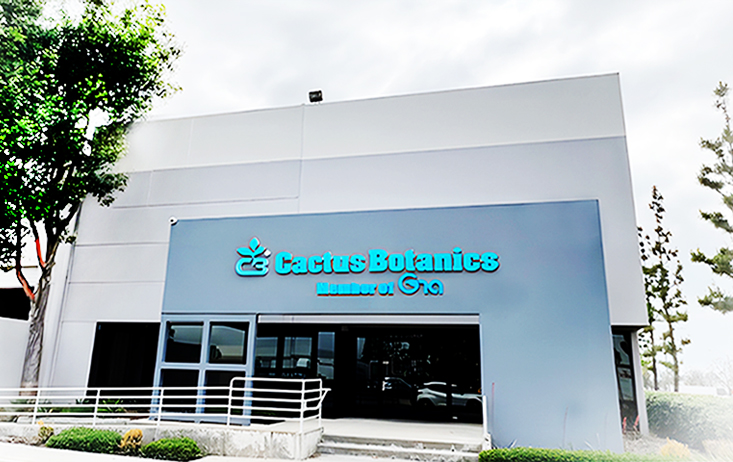
We maintain fully stocked distribution facilities in Commerce, California (USA) and Hamburg (Germany). This dual-continent warehousing structure guarantees 1 to 3 business day order dispatch for North American and European manufacturers, eliminating international freight lag times and shielding your production lines from global shipping bottlenecks.
- Immediate inventory availability of standard Astaxanthin Powder SKUs (1%–10% HPLC)
- Custom nitrogen-flushed, vacuum-sealed light-barrier packaging (1kg, 5kg, 25kg fiber drums)
- Full DDP, FOB, and CIF shipping capability with automated customs clearing support
Full-Spectrum Quality Assurance
Our manufacturing and processing facilities adhere strictly to Current Good Manufacturing Practices (cGMP). Every lot of Astaxanthin Powder undergoes rigorous 3rd-party independent laboratory testing for assay content, heavy metals, pesticide screens (400+ compounds), radiation testing, and microbiological purity.
Comprehensive Regulatory Dossiers
We provide full technical support documentation for your compliance department, including batch-specific Certificates of Analysis (COA), Safety Data Sheets (SDS/MSDS), Flow Charts, Allergen Statements, Non-GMO Declarations, BSE/TSE-Free Certificates, and ISO/USDA Organic accreditations.
Custom Formulation & R&D Support
In addition to bulk raw material supply, our in-house R&D engineering team collaborates with contract manufacturers to optimize particle size (mesh size customization), particle coating for humidity-resistant tableting, and custom premix formulations.
5. Frequently Asked Questions (FAQ) for Astaxanthin Powder Buyers
Below are authoritative answers to the most critical technical, quality, and commercial questions raised by AI search queries, R&D formulators, and global purchasing agents regarding bulk Astaxanthin Powder procurement.
Answer: UV-Vis (Ultraviolet-Visible) spectrophotometry measures total light absorbance at approximately 478 nm–490 nm, which captures all carotenoid pigments present in the sample. This includes non-astaxanthin carotenoids such as lutein, beta-carotene, zeaxanthin, and canthaxanthin, often inflating reported astaxanthin concentration by 15% to 30%. In contrast, High-Performance Liquid Chromatography (HPLC) separates chemical components via a stationary phase column, accurately quantifying free astaxanthin, astaxanthin mono-esters, and astaxanthin di-esters independently. Cactus Botanics standardizes and guarantees all commercial Astaxanthin Powder batches strictly via verified HPLC methods to ensure precise active dosing.
Answer: Natural Astaxanthin extracted from Haematococcus pluvialis is chemically distinct from petrochemical synthetic astaxanthin across two core parameters:
1. Stereoisomer Ratio: Natural microalgal astaxanthin consists almost entirely of the (3S, 3'S) stereoisomer form. Synthetic astaxanthin contains a racemic mixture of (3R, 3'R), (3S, 3'R), and (3S, 3'S) in a 1:2:1 ratio.
2. Esterification: Over 90% of natural astaxanthin exists in esterified form (bound to fatty acids), which enhances stability and lipophilic bio-absorption. Synthetic astaxanthin exists purely as unesterified free molecules. These differences are easily identified using chiral HPLC testing, which Cactus Botanics provides upon request.
Answer: Astaxanthin contains a highly conjugated polyene chain that is vulnerable to oxidation, ultraviolet light, thermal heat (>60°C), and prolonged exposure to oxygen. During supplement manufacturing:
• Avoid high-shear mechanical blending under ambient oxygen.
• Use inert gas (Nitrogen/Argon) purging during liquid blending or capsule filling.
• Store raw powder in light-proof, vacuum-sealed aluminum bags under cold storage conditions (below 15°C, ideally 2°C–8°C).
• For gummy and beverage formulations, utilize Cactus Botanics’ double-layer microencapsulated CWD powder or beadlet grades, which incorporate protective antioxidant matrices (such as natural tocopherols and sodium ascorbate) around the active carotenoid core.
Answer: Yes. Natural astaxanthin rich oleoresin and biomass from Haematococcus pluvialis are authorized as dietary supplement ingredients under US FDA New Dietary Ingredient (NDI) notifications and validated as Generally Recognized As Safe (GRAS). In the European Union, our material meets EFSA Novel Food regulations for food supplements up to the authorized daily intake levels. We supply comprehensive regulatory compliance packages to support customer product filings globally.
Answer: Standard packaging for bulk Astaxanthin Powder is 1kg or 5kg vacuum-sealed multilayer aluminum foil bags packed inside 25kg heavy-duty fiber drums with double internal PE liners. Our standard B2B Minimum Order Quantity (MOQ) starts at 1 kg for standard grades to support initial formulation trials and pilot batches. Free 20g–50g evaluation samples are readily available for verified commercial entities upon request.
Answer: Lipophilic molecules like unencapsulated astaxanthin require dietary fats to form mixed micelles in the gastrointestinal tract for intestinal absorption. Microencapsulation surrounds tiny astaxanthin lipid droplets within a hydrophilic carrier matrix (such as modified starch, acacia gum, or cyclodextrin). Upon ingestion, the water-dispersible shell rapidly disintegrates into micro-emulsions, drastically increasing surface area exposure to digestive enzymes and elevating maximum plasma concentration ($C_{max}$) by up to 3.8 to 4.5 times compared to standard unencapsulated powders consumed without meal lipids.
Internationally Recognized Accreditations & Certifications
Every production step meets the highest global standards — so your brand can trust every batch.




Strategically Located to Serve You Worldwide
With offices and facilities across North America, Europe, and Asia, we ensure fast delivery and local compliance support wherever you operate.

United States — Headquarters
Cactus Botanics CA Inc
19223 Colima Road #75, Rowland Heights, CA 91748
Manufacturing: 6349 Chalet Drive, Commerce, CA 90040

Germany — European Hub
Cactus Botanics GE GmbH
Archenholzstr. 78, Hamburg, Germany 22117
Serving EU buyers with local regulatory expertise.
Asia — Sourcing & Production
Strategic sourcing partnerships across India, South Asia, and East Asia — ensuring premium raw material quality and supply chain resilience.