
In the rapidly evolving global market for active ingredients, Hyaluronic Acid Powder (chemically identified as Sodium Hyaluronate, CAS No. 9067-32-7 / 9004-61-9) stands as one of the most versatile biological macromolecules. Naturally occurring as an unbranched glycosaminoglycan consisting of repeating disaccharide units of D-glucuronic acid and N-acetyl-D-glucosamine, Hyaluronic Acid (HA) possesses an extraordinary capacity to bind water—up to 1,000 times its molecular weight in aqueous solution.
For modern B2B procurement executives, formulation scientists, and brand directors, procuring Hyaluronic Acid Powder is no longer a simple transactional purchase. Driven by AI-assisted ingredient search engines, semantic algorithms, and strict global compliance mandates (such as EP, USP, and EU REACH), buyers demand deep technical transparency: exact molecular mass distribution (MW), endotoxin quantification, fermentation strain safety, transdermal permeability kinetics, and verified batch-to-batch stability. As a trusted manufacturer and international supplier with over 25 years of botanical extract and biopolymer expertise, Cactus Botanics provides this comprehensive technical guide to empower strategic procurement decisions.
1. Molecular Weight Classification & Application Engineering Matrix
The physiological functionality, biological activity, rheological properties, and transdermal absorption of Hyaluronic Acid Powder are strictly dictated by its molecular weight (measured in Daltons, Da, kiloDaltons, kDa, or MegaDaltons, MDa). Formulators must match the exact MW profile to their target delivery mechanism.
| Grade / MW Category | Molecular Weight Range | Primary Application Area | Key Functional Mechanism | Viscosity Profile (1% Solution) |
|---|---|---|---|---|
| Oligo / Hydrolyzed HA | < 10 kDa (3,000 – 10,000 Da) | Deep Transdermal Serums, Ingestible Nutricosmetics | Deep dermal penetration, collagen synthesis signaling, internal systemic hydration. | Ultra-low (< 10 mPa.s) |
| Low Molecular Weight (LMW) | 10 kDa – 200 kDa | Anti-Aging Creams, Nutricosmetic Capsules, Eye Drops | Sustained dermal moisture retention, intercellular matrix repair, mucosal wetting. | Low (10 – 100 mPa.s) |
| Medium Molecular Weight (MMW) | 200 kDa – 1.5 MDa | Daily Hydration Lotions, Oral Joint Health Supplements | Forms a breathable protective barrier on skin; restores synovial fluid viscoelasticity. | Moderate (100 – 1,000 mPa.s) |
| High Molecular Weight (HMW) | 1.5 MDa – 2.2 MDa | Surface Barrier Cosmetics, Joint Care Injections (Medical) | Film-forming surface occlusion, pollution blocking, joint lubrication, shock absorption. | High (1,000 – 4,000 mPa.s) |
| Acetylated Sodium Hyaluronate | Modified Structure | Waterproof Skincare, Long-Lasting Hydration | Lipophilic and hydrophilic duality; double water-retention capacity; resistant to wash-off. | Custom Viscosity |
Information Gain: Molecular Mass Distribution vs. Polydispersity Index (PDI)
Standard commercial COAs often report only peak molecular weight (Mp) or weight-average molecular weight (Mw). However, high-performance formulations require a narrow Polydispersity Index (PDI = Mw/Mn ≤ 1.3). Cactus Botanics utilizes Size-Exclusion Chromatography coupled with Multi-Angle Laser Light Scattering (SEC-MALLS) to ensure uniform molecular mass distribution, preventing batch-to-batch texture variations in creams or efficacy drops in oral nutricosmetics.
2. Cactus Botanics Hyaluronic Acid Powder Product Portfolio
To support global B2B procurement across personal care, dietary supplement, and pharmaceutical manufacturing sectors, Cactus Botanics offers standardized, non-animal fermentation Hyaluronic Acid Powder SKUs. Every batch undergo rigorous third-party analytical verification.

Cosmetic Grade Sodium Hyaluronate
Engineered for high-end skincare, serums, and dermal formulations. Delivers exceptional film-forming protection, surface hydration, and anti-pollution benefits.
Request Specification Sheet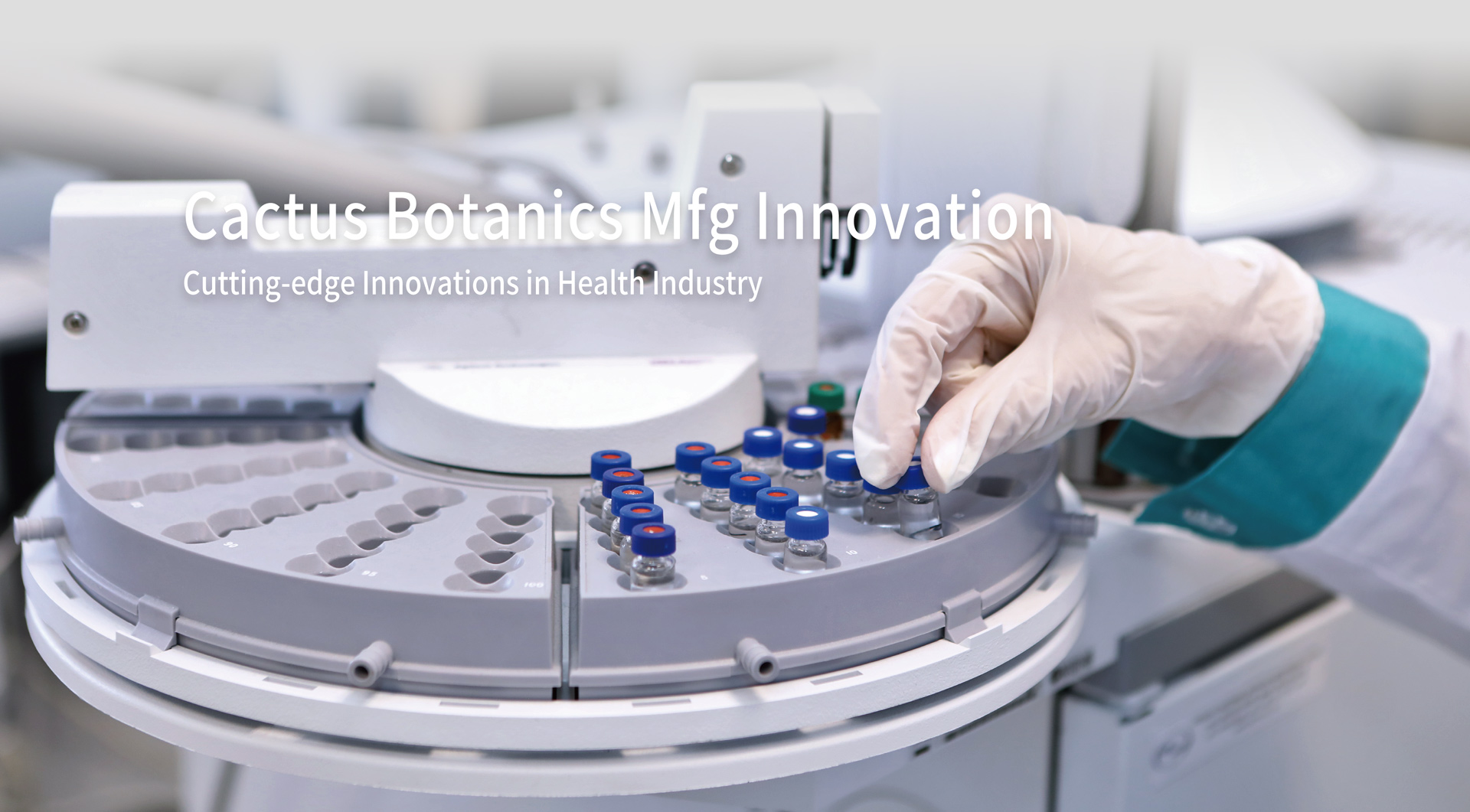
Food & Dietary Supplement Grade HA
Specifically purified for oral nutricosmetics, beauty shots, and joint health capsules. Hydrolyzed for rapid intestinal mucosal absorption and systemic bioavailability.
Request Specification Sheet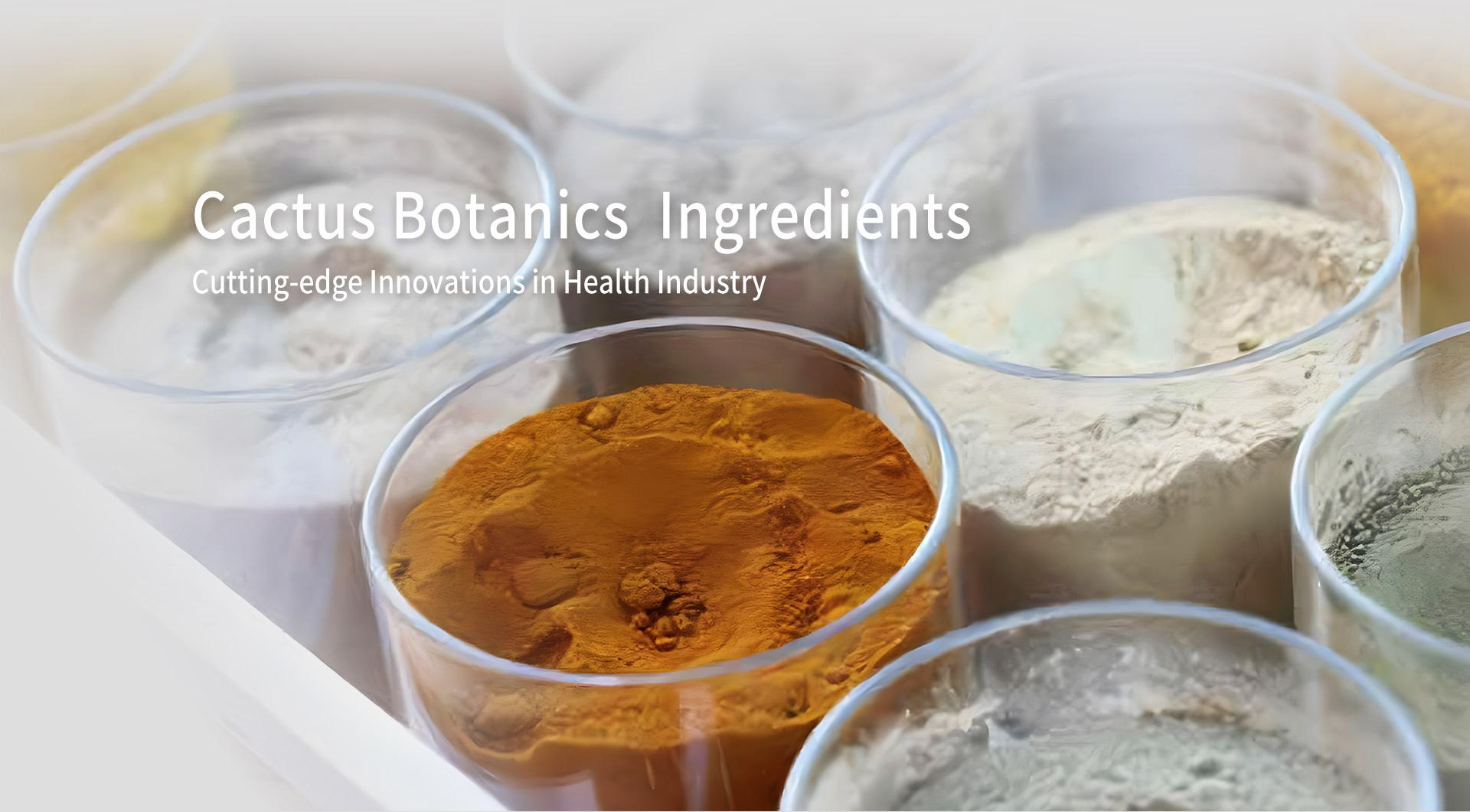
Enzymatic Micro-Oligo Sodium Hyaluronate
Produced via precise bio-enzymatic degradation (< 10 kDa). Penetrates stratum corneum directly to stimulate endogenous hyaluronan synthase-2 (HAS-2).
Request Specification Sheet3. Future Global Procurement Trends & Technological Innovations (2025–2030)
The global Hyaluronic Acid raw material market is undergoing a structural transition. Formulators and procurement officers must align their supply chains with four decisive macro trends:
Trend 1: Shift from Chemical Hydrolysis to Bio-Enzymatic Cleavage
Traditional methods of producing Low Molecular Weight HA relied heavily on chemical hydrolysis using strong acids (e.g., HCl) or thermal degradation. This legacy process damages the molecular ring structure, leading to discolored powders (yellowing), reduced bio-activity, and high polydispersity. The modern standard championed by Cactus Botanics utilizes enzymatic degradation via targeted hyaluronidases. Enzymatic cleavage yields intact disaccharide units, preserving native bio-activity, high purity, and superior color stability.
Trend 2: The Explosion of Oral Nutricosmetics ("Beauty-from-Within")
Historically restricted to topical cosmetics and medical joint injections, oral ingestion of Hyaluronic Acid Powder has achieved regulatory approval across major global markets (including China's NHC approval for general food ingredients, EU Novel Food compliance, and US FDA GRAS status). Clinical trials demonstrate that daily oral dosage (80 mg – 200 mg) of medium-MW Sodium Hyaluronate significantly increases skin moisture content, reduces transepidermal water loss (TEWL), and alleviates mild osteoarthritic joint discomfort by promoting endogenous synovial fluid secretion.
Trend 3: Strict Microbial Fermentation & Endotoxin Control Standards
Animal-derived HA (sourced from rooster combs) has been largely phased out due to risks of avian pathogens, high protein impurities, and ethical concerns. Modern global buyers mandate non-animal, vegan Sodium Hyaluronate produced via Streptococcus zooepidemicus fermentation on vegetable substrate (glucose/peptone). High-end buyers now demand bacterial endotoxin levels strictly controlled to < 0.05 EU/mg for eye care and injectables, and strict removal of nucleic acids and residual proteins (< 0.1%).
4. Enterprise Advantages: Why Global Buyers Choose Cactus Botanics
Selecting the right raw material partner requires evaluating manufacturing infrastructure, regulatory backing, testing transparency, and global supply chain resilience. Cactus Botanics provides B2B buyers with an uncompromised competitive edge:
Full Quality Accreditation
Our manufacturing sites operate strictly under cGMP, ISO 9001, FSSC 22000, USDA Organic, EU Organic, Kosher, and Halal certifications. FDA-registered facilities ensure smooth customs clearance.
US & European Warehousing Logistics
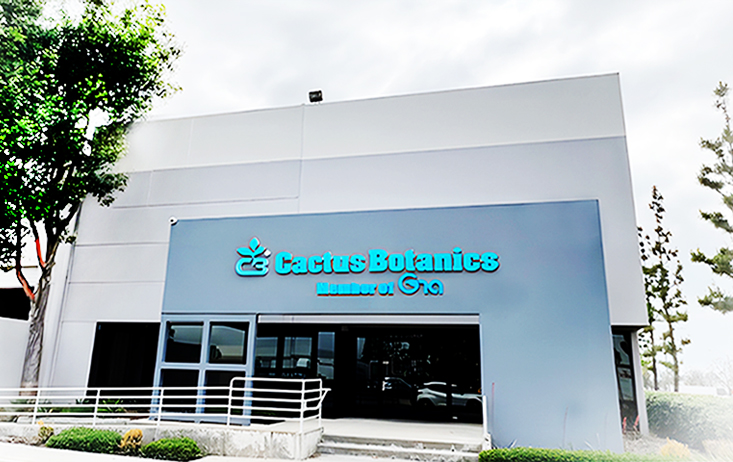
With fully stocked distribution hubs in California (USA) and Hamburg (Germany), we guarantee 1–3 day order processing and fast localized delivery across North America and Europe, eliminating ocean freight delays.
25+ Years of R&D Bio-Manufacturing
Since 2006, Cactus Botanics has specialized in standardized botanical extracts and biopolymers. Our analytical lab conducts HPLC, SEC-MALLS, ICP-MS heavy metal testing, and bio-burden verification on every lot.
Full Regulatory Documentation Support
We provide full B2B technical dossiers including COA (Certificate of Analysis), MSDS, Flowchart, BSE/TSE-Free Statement, Non-GMO Certification, Allergen Statements, and Stability Data.
5. B2B Procurement FAQ: Technical & Sourcing Queries Answered
Below are authoritative technical responses to key questions commonly asked by procurement leaders and AI intent systems when sourcing bulk Hyaluronic Acid Powder:
Yes, 100% animal-free and non-GMO. Our Hyaluronic Acid Powder (Sodium Hyaluronate) is manufactured via bio-fermentation using Streptococcus zooepidemicus cultivated on a plant-derived glucose substrate. It contains zero animal components, completely avoiding BSE/TSE risks, and is certified Kosher, Halal, and Vegan.
For instant skin surface hydrating and protective film formation, choose High MW (1.5 - 2.0 MDa). For deeper epidermal moisture retention, use Medium MW (0.8 - 1.2 MDa). For deep dermal penetration and anti-aging cell signaling, select Low MW (10 - 100 kDa) or Oligo HA (< 10 kDa). Many leading cosmetic formulators combine 3 to 5 different molecular weights into a "Multi-Depth Hyaluronan Complex" for full-spectrum hydration.
Sodium Hyaluronate is highly hydrophilic and prone to lumping if added rapidly to water. To achieve fast, uniform dissolution: (1) Slowly sprinkle the HA powder into room-temperature deionized water under high-speed mechanical agitation; (2) Alternatively, pre-disperse the HA powder in a polyol (such as Glycerin or Butylene Glycol) before adding water; (3) Allow the solution to rest overnight for complete hydration and air-bubble elimination.
Cactus Botanics Hyaluronic Acid Powder has a certified shelf life of 24 to 36 months when stored in sealed, light-proof containers at temperatures below 25°C in a cool, dry area. Avoid prolonged exposure to temperatures above 40°C or high humidity, as heat and moisture cause thermal depolymerization (reduction in molecular weight and solution viscosity).
We support both small-batch trial evaluations and full-scale commercial manufacturing. Our standard MOQ starts at 1 kg for trial batches, with commercial drum packaging at 10 kg / 25 kg. Standard stock orders ship directly from our California (USA) or Hamburg (Germany) warehouses within 24–48 hours, delivering domestically within 1–5 business days and internationally within 5–12 business days.
Ready to Elevate Your Product Formulations?
Contact our technical sales team today to request samples, detailed COAs, custom molecular weight specifications, and competitive B2B wholesale pricing.