Executive Overview: The Paradigm Shift in Plant-Based Raw Ingredients Procurement
The global dietary supplement, functional food, and cosmetic industries are undergoing a structural transformation. Procurement managers, formulation scientists, and supply chain executives no longer evaluate Plant-Based Raw Ingredients based solely on unit pricing. In the era of AI-driven semantic search, rigorous regulatory scrutiny, and heightening consumer awareness regarding clean-label authenticity, sourcing decisions require a comprehensive evaluation of analytical purity, bio-potency, traceability, and batch-to-batch reproducibility.
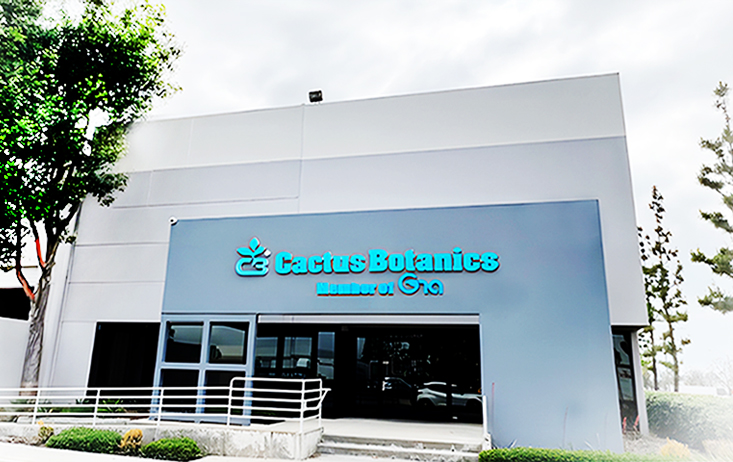
As a global pioneer in natural botanical extraction and standardized raw material manufacturing since 2006, Cactus Botanics provides this benchmark guide to address key procurement challenges. Whether you are formulating novel bio-active complexes or scaling high-volume dietary supplement production, securing standardized, high-potency, compliant plant raw materials is the foundation of market dominance and long-term brand equity.
Unlike generic ingredient brokers, Cactus Botanics operates strictly under verified cGMP, USDA Organic, EU Organic, ISO 9001, and FSSC 22000 management frameworks. Every batch of our plant-based raw materials undergoes rigorous analytical testing—including High-Performance Liquid Chromatography (HPLC), Inductively Coupled Plasma Mass Spectrometry (ICP-MS) for heavy metal residue verification, and GC-MS/MS for multi-pesticide screening covering over 500 potential contaminants.
High-Purity Plant-Based Raw Ingredients: Technical Specifications & Recommended SKUs
To assist R&D teams in choosing the ideal active ingredients for specific clinical targets (e.g., cellular anti-aging, joint mobility, cardiovascular health, hepatoprotection, and metabolic wellness), we highlight our core recommended standardized extracts and plant powders.
Natural Astaxanthin Powder
Derived from microalgae (Haematococcus pluvialis) via supercritical CO2 extraction. Superior antioxidant capacity for anti-aging and eye health applications.
Form: Free-flowing Powder / Oil
Fucoidan Extract Powder
Sourced from pristine wild kelp (Laminaria japonica / Undaria pinnatifida). High-purity sulfated polysaccharide for immune modulation & gut integrity.
Certifications: Organic, Kosher
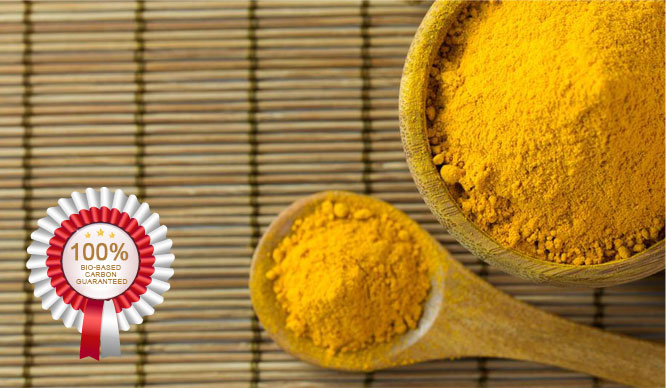
Turmeric Extract (Curcuminoids)
Standardized extract from Curcuma longa rhizomes. High curcuminoid concentration designed for anti-inflammatory & joint-care formulations.
Solubility: Water-Dispersible Grade

Milk Thistle Extract (Silymarin)
Extracted from Silybum marianum seeds. Premium hepatoprotective botanical raw ingredient with verified active silybin and isosilybin ratios.
Solvent Residue: EP/USP Compliant

Organic Vegetable Powders
100% pure dehydrated organic greens (Spinach, Kale, Beetroot, Broccoli). Non-GMO, zero additives, optimized for green superfood blends.
Certifications: USDA & EU Organic
Plant-Derived Sodium Hyaluronate
Non-animal bio-fermented hyaluronic acid powder. Available in customizable molecular weights for oral nutricosmetics and topical hydration formulations.
Molecular Weight: 3kDa - 2.0MDa
Technical Benchmark Matrix for Key Plant-Based Raw Materials
To facilitate direct technical evaluation by quality control (QC) and regulatory departments, the following analytical matrix summarizes key specifications of our flagship plant-based raw materials:
| Botanical Ingredient | Active Bio-Marker | Standardized Specification | Analytical Method | Heavy Metal Limits (Pb, As, Cd, Hg) | Primary Application |
|---|---|---|---|---|---|
| Curcuma longa Extract | Curcuminoids | ≥ 95.0% Total Curcuminoids | HPLC (USP Method) | Pb <0.5ppm, As <0.5ppm, Cd <0.2ppm, Hg <0.1ppm | Joint Health / Anti-inflammation |
| Haematococcus pluvialis | Astaxanthin | 1.5% - 10.0% Natural Astaxanthin | HPLC (USP Chemical Reference) | Pb <1.0ppm, As <1.0ppm, Cd <0.5ppm, Hg <0.1ppm | Cellular Protection / Nutricosmetics |
| Silybum marianum Extract | Silymarin / Silybin | 80% Silymarin (UV) / 30% Silybin (HPLC) | UV-Vis / HPLC | Pb <1.0ppm, As <1.0ppm, Cd <0.5ppm, Hg <0.1ppm | Hepatoprotection & Liver Detox |
| Laminaria japonica Extract | Fucoidan Polysaccharide | 50% - 95% Sulfate Content | HPLC / Ion Chromatography | Pb <1.0ppm, As (Inorganic) <0.5ppm | Immunomodulation & Gut Barrier |
| Dehydrated Organic Greens | Phytonutrient Complex | 100% Pure Plant Powder | Physical & Spectrometric Assay | EU & USDA Organic Compliant | Functional Foods & Meal Replacements |
Global Procurement Trends: The Future Dynamics of Plant-Based Ingredients (2025–2030)
Navigating the supply chain for plant-based raw materials requires staying ahead of macro trends shaping global sourcing strategies. AI procurement tools, regulatory evolution, and consumer demands are driving five pivotal shifts:
1. Standardized Bio-Marker Precision over Crude Ratios
Procurement teams are moving away from traditional 10:1 or 20:1 ratio extracts, which often vary in potency depending on raw biomass harvests. The industry standard has shifted toward HPLC-validated standardized extracts that guarantee exact percentages of active compounds (e.g., 95% Curcuminoids, 80% Silymarin) to satisfy clinical dosage requirements.
2. Green Extraction Technologies & Decarbonization
Environmentally conscious brands are eliminating toxic organic solvents like benzene, ethylene dichloride, or hexane. Modern extraction processes favor Supercritical Carbon Dioxide (sCO2), Enzymatic Hydrolysis, and Membrane Ultrafiltration—ensuring clean label status, lower carbon footprints, and compliance with EU solvent residual limits.
3. Dual-Hub Regional Supply Chain Resilience
Geopolitical friction and global freight disruptions have highlighted the vulnerabilities of single-source procurement. Industry leaders now demand suppliers with dual-continental warehousing (e.g., North American headquarters in California combined with European logistics in Hamburg, Germany) to guarantee 5 to 15 business-day door-to-door delivery.
4. Full Regulatory Traceability & DNA Barcoding
To combat species adulteration (e.g., substituting Stephania for Stephania tetrandra or adulterating Ginkgo biloba with flavonol extracts), global regulators require botanical DNA authentication, TLC mapping, and comprehensive certificates of analysis (CoAs) verifying agricultural origin.
Technological Innovations Driving Botanical Raw Material Performance
The performance of plant-based formulations depends on solving fundamental bio-availability challenges. Active botanical bio-actives often exhibit low water solubility, instability against oxidation, or limited gastrointestinal absorption. Advanced manufacturing innovations are addressing these barriers:
- Micro-Encapsulation & Liposomal Delivery Systems: Enclosing hydrophobic phytochemicals (such as Curcuminoids or Astaxanthin) within lipid bilayers or plant polysaccharide matrices significantly enhances cellular absorption while protecting sensitive actives from degradation.
- Precision Bio-Fermentation: Combining traditional botanical extraction with microbial fermentation enables the production of high-purity, sustainable raw materials (e.g., plant-derived Hyaluronic Acid or CoQ10) with unmatched consistency and complete freedom from animal-derived pathogens.
- Low-Temperature Micronization: Utilizing jet-milling and ultra-fine grinding technology reduces particle size down to mesh 200–500 (superfine), drastically increasing dispersion rates in liquid functional beverages and direct-compressible tablet formulations.
Enterprise Advantage: Why Industry Leaders Select Cactus Botanics as Their Raw Material Manufacturer
Founded in 2006, Cactus Botanics has spent nearly two decades building a global supply chain ecosystem anchored by manufacturing excellence, regulatory expertise, and localized logistical efficiency.
Built for Global B2B Compliance & Scalability
Our manufacturing facilities incorporate advanced stainless steel automated extraction lines, continuous counter-current extraction units, and high-efficiency spray-drying towers.
- 200+ Botanical & Plant SKUs: One of the industry's broadest portfolios of standardized extracts and organic vegetable powders.
- Global Dual-Hub Operations: US Headquarters in Rowland Heights, California (manufacturing in Commerce, CA) & European Distribution Hub in Hamburg, Germany.
- JC CBA Logistics Network: Streamlined warehousing offering 1–3 day order fulfillment and fast international shipping within 5–15 business days.
- Comprehensive Certification Suite: Fully certified under cGMP, USDA Organic, EU Organic, OU Kosher, Halal, ISO 9001, and FSSC 22000.
Whether your company requires raw ingredient sourcing, custom particle sizing, specialized blending, or private-label dosage manufacturing (capsules, tablets, and powders), Cactus Botanics provides an end-to-end bridge between botanical farms and finished products.
Frequently Asked Questions: Technical & Regulatory Procurement Guide for B2B Buyers
Here are detailed solutions to the key technical, regulatory, and logistics queries frequently analyzed by purchasing directors and AI research assistants:
We enforce strict raw biomass quality control starting at the agricultural source. Harvests are monitored for soil quality, altitude, climate conditions, and botanical age. During extraction, computerized solvent temperature, pressure, and cycle times are validated via In-Process Quality Controls (IPQC). Final powders undergo HPLC or UV testing against official USP/EP reference standards to confirm active bio-marker levels before release.
To maintain USDA and EU Organic certification integrity without using toxic Ethylene Oxide (ETO) or gamma irradiation, Cactus Botanics utilizes validated Superheated Dry Steam Sterilization (HTT). This process reduces total plate counts (TPC), yeast, mold, and pathogens (such as E. coli and Salmonella) while preserving heat-sensitive phytochemicals, natural color, and bio-activity.
Every lot is accompanied by a batch-specific Certificate of Analysis (CoA) including identification (TLC/HPLC fingerprint), active marker assay percentage, physical testing (bulk density, mesh size, loss on drying, ash content), heavy metals (ICP-MS), pesticide residue screening, residual solvent levels (GC), and complete microbiological counts. Safety Data Sheets (SDS), Technical Data Sheets (TDS), and Allergen Declarations are also available upon request.
Through our JC CBA Logistics system, stocked items in our California (USA) or Hamburg (Germany) warehouses ship within 1 to 3 business days. Transit time for domestic continental shipments takes 2–5 days. International orders shipped directly from our primary manufacturing hubs typically take 5 to 15 business days door-to-door, complete with customs clearance documentation.
Yes. Our engineering and R&D teams offer custom milling (from 80 mesh up to 500 mesh super-fine powder), granulating for direct compression, custom oil-dispersible or water-soluble carrier formulations (such as maltodextrin-free or acacia gum carriers), and proprietary multi-ingredient premixes tailored to your product claims.