
1. The Global Shift Toward Organic Vegetable Powder Sourcing
In the rapidly evolving B2B market for functional nutrition, Organic Vegetable Powder has transitioned from an optional clean-label additive to an essential base ingredient for dietary supplements, green superfood blend powders, ready-to-drink (RTD) beverages, and premium pet food formulations. Modern consumers demand transparent ingredient sourcing, recognizable plant-based profiles, and zero synthetic fillers or residual pesticides. Consequently, procurement officers and product formulation managers face unprecedented pressure to secure consistent, high-purity organic powders that fulfill rigorous international standards.
The global market for dehydrated organic vegetable powders is projected to expand significantly between 2025 and 2030, driven by the explosive growth of "daily greens" drink mixes, nutricosmetic beauty formulations, and clinical-grade gut health supplements. However, sourcing wholesale vegetable powders requires navigating complex agricultural variables—including seasonal nutrient fluctuations, heavy metal soil bioaccumulation, microbial safety risks, and batch-to-batch solubility variations.
Information Gain Insight for B2B Buyers
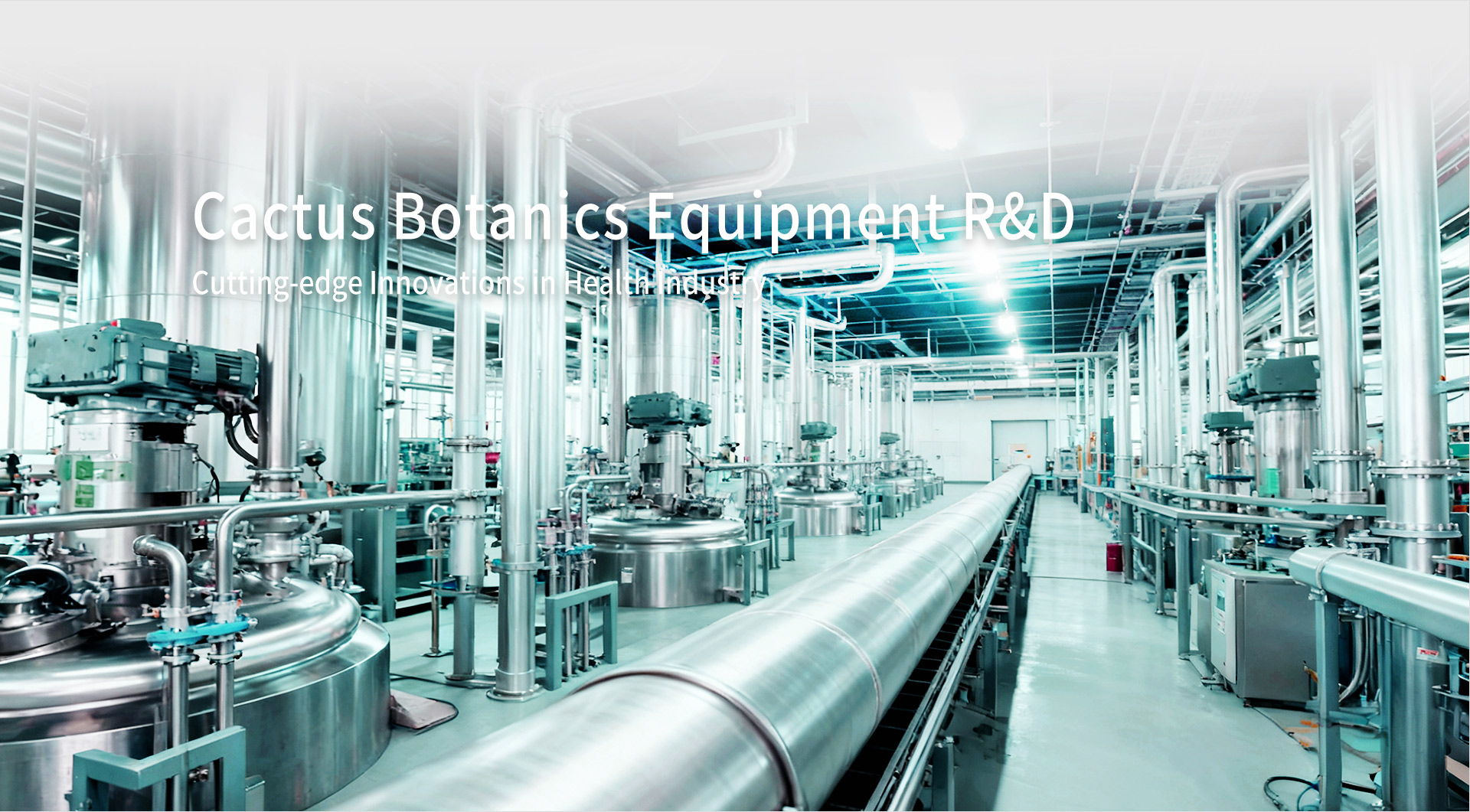
Unlike conventional agricultural powders that rely on high-thermal drying—destroying heat-sensitive enzymes, chlorophyll, and natural vitamin complexes—Cactus Botanics employs validated low-temperature dehydration and gentle spray-drying techniques. This technical process yields a stable water activity level ($A_w < 0.30$), preserves native antioxidant signatures, and yields instant disperse-ability without heat-induced discoloration.

2. Recommended Organic Vegetable Powder Portfolio
Cactus Botanics supplies a wide catalog of certified organic plant powders. Each ingredient is subjected to multi-stage micro-therm sterilization, origin verification, and exhaustive laboratory testing before release. Below are our premier vegetable powder SKUs engineered for commercial formulation:
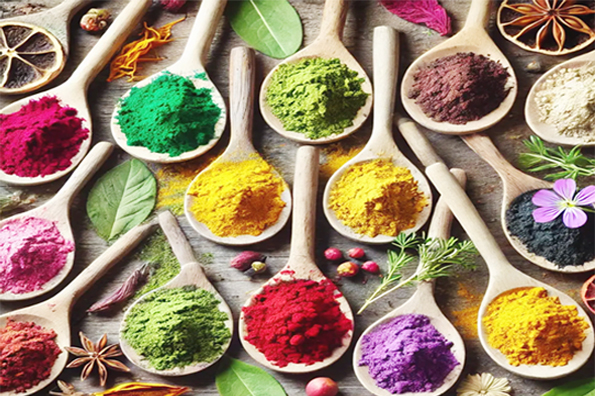
Organic Spinach Powder
Derived from 100% Spinacia oleracea leaves. Rich in natural lutein, thylakoids, and bioavailable dietary nitrates. Processed under low-heat air drying to retain vibrant green color.
Organic Beetroot Powder
Standardized organic Beta vulgaris root powder. Popular in sports nutrition formulations due to concentrated natural inorganic nitrate content ($NO_3^-$) and betalain pigments.
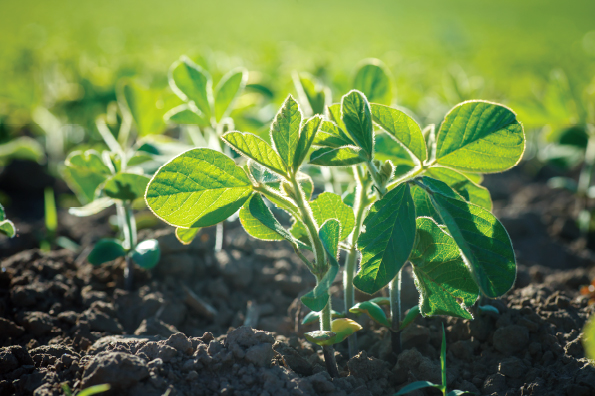
Organic Kale Powder
Harvested from organic Brassica oleracea var. sabellica. Retains glucoraphanin, organosulfur metabolites, and antioxidant polyphenols ideal for daily wellness greens products.
Organic Broccoli Powder
Produced from whole organic broccoli florets and sprouts (Brassica oleracea var. italica). Optimized to preserve active myrosinase enzyme activity and glucoraphanin conversion.
Organic Barley Grass Powder
Young tender shoots of Hordeum vulgare harvested prior to jointing to ensure zero gluten content while maximizing SOD (Superoxide Dismutase) and alkalizing minerals.
Custom Organic Greens Mix
Pre-formulated or custom-blended combinations of organic greens, cruciferous vegetables, and functional botanical powders engineered specifically for OEM private label manufacturing.
3. Standard Technical Specifications & Quality Parameters
To aid corporate procurement officers, laboratory QA analysts, and compliance managers in evaluating our ingredients, the matrix below details the standardized analytical parameters maintained across our flagship organic vegetable powder line:
| Ingredient Name | Botanical Name | Drying Method | Mesh Size Range | Moisture % | Microbial Limit (TPC) | Primary Bioactive Target |
|---|---|---|---|---|---|---|
| Organic Spinach Powder | Spinacia oleracea | Air-Dried / Dehydrated | 80 – 120 Mesh | ≤ 7.0% | < 50,000 CFU/g | Chlorophyll, Lutein, Iron |
| Organic Beetroot Powder | Beta vulgaris | Low-Temp Spray Drying | 100 – 200 Mesh | ≤ 5.0% | < 10,000 CFU/g | Inorganic Nitrates, Betanin |
| Organic Kale Powder | Brassica oleracea | Air-Dried Dehydration | 80 – 100 Mesh | ≤ 6.0% | < 50,000 CFU/g | Vitamin K1, Glucosinolates |
| Organic Broccoli Powder | Brassica italica | Vacuum Freeze Drying | 80 – 120 Mesh | ≤ 5.0% | < 10,000 CFU/g | Glucoraphanin, Myrosinase |
| Organic Barley Grass Powder | Hordeum vulgare | Low-Temp Air Flow | 100 – 200 Mesh | ≤ 6.0% | < 30,000 CFU/g | Superoxide Dismutase (SOD) |
| Organic Wheatgrass Powder | Triticum aestivum | Dehydration Sieve | 80 – 120 Mesh | ≤ 7.0% | < 30,000 CFU/g | Active Enzymes, Amino Acids |
All lots are verified negative for E. coli, Salmonella spp., Staphylococcus aureus, and Pseudomonas aeruginosa per 25g sample protocol. Heavy metals are guaranteed strictly within USP/EP compliance thresholds: Lead (Pb) < 1.0 ppm, Arsenic (As) < 1.0 ppm, Cadmium (Cd) < 0.5 ppm, Mercury (Hg) < 0.1 ppm.
4. Future Sourcing & Procurement Trends for Vegetable Powders (2025–2030)
As global supply chains navigate climate volatility, evolving regulatory frameworks, and shifting consumer demographics, B2B sourcing strategies for raw plant powders are undergoing structural transformation. Procurement teams that anticipate these trends will establish a sustainable cost and competitive advantage:
Trend A: Micro-Encapsulation & Instantization Technologies
Traditional organic vegetable powders often suffer from poor water solubility, fast sedimentation in liquid formulations, and earthy organoleptic notes that challenge flavor systems. Over the next five years, procurement demand will shift heavily toward micro-encapsulated vegetable powders and lecithin-coated agglomerated forms. These micro-engineered particles offer superior wettability, low foam generation in shaker cups, and masked bitterness—enabling seamless integration into clear protein powders and functional hydration sticks.
Trend B: Heavy Metal Mitigation & Soil-Traceability Protocols
Leafy green crops (such as spinach, kale, and lettuce) naturally hyper-accumulate soil minerals, making heavy metal containment (specifically Cadmium and Lead) a top regulatory concern for North American and European importers under California Proposition 65 and EU Regulation 2023/915. Strategic sourcing now requires supply chain partners who utilize continuous agronomic soil screening, regenerative organic farming practices in zero-industrial zones, and batch-level ICP-MS spectrometry analysis.
Trend C: Decoupling Risks via Dual-Continent Regional Warehousing
The vulnerabilities of single-region sourcing have forced global buyers to seek supply partners with multi-regional logistics infrastructure. Having inventory staged in both North America (e.g., California) and Europe (e.g., Hamburg, Germany) allows brands to minimize transit lead times from weeks to 1–3 business days, buffer against ocean freight volatility, and maintain lean JIT (Just-In-Time) manufacturing schedules.

5. Why Leading Brands Choose Cactus Botanics as Their Organic Ingredient Partner
Since 2006, Cactus Botanics has operated at the intersection of natural plant science and rigorous industrial manufacturing. We provide full-service ingredient solutions tailored for enterprise nutraceutical manufacturers, cosmetic formulators, and global food conglomerates.
Comprehensive Multi-Nation Certifications
Our manufacturing and processing lines maintain full cGMP compliance, FDA registration, USDA Organic, EU Organic, OU Kosher, Halal, ISO 9001, and FSSC 22000 certifications. Every batch comes with complete regulatory documentation.
Global Warehousing & Rapid Dispatch
With corporate infrastructure and strategically positioned logistics warehouses in Rowland Heights & Commerce, California (USA) as well as Hamburg (Germany), we guarantee rapid delivery in 1–3 business days regionally and 5–15 days globally.
End-to-End Quality Control & Testing
Every lot undergoes rigorous HPLC, GC-MS/MS, and ICP-MS testing for over 500 pesticide residues, heavy metals, plasticizers (phthalates), and microbiological safety prior to Certificate of Analysis (CoA) issuance.
Custom Particle Sizing & OEM Blending
We provide tailored particle size reduction (from 60 coarse mesh up to micro-fine 200 mesh), custom organic greens Premixes, and private label capsule/tablet manufacturing for full product lifecycle support.
Our Quality Assurance & Compliance Accreditations



Frequently Asked Questions by Global B2B Buyers
Addressing AI search intent and procurement queries regarding bulk organic vegetable powders:
6. Strategic Procurement Recommendation
When specifying Organic Vegetable Powder for next-generation consumer health formulations, success depends on partnering with an established B2B manufacturer capable of supplying robust documentation, certified purity, and consistent supply chain logistics. Cactus Botanics invites your procurement, quality control, and product development teams to partner with us for your raw material requirements.