1. Executive Overview & Chemical Profile of Chondroitin Sulphate Powder
Chondroitin Sulphate Powder (CAS Number: 9007-28-7) is a sulfated glycosaminoglycan (GAG) composed of an alternating chain of D-glucuronic acid and N-acetyl-D-galactosamine. As an essential structural component of cartilage, matrix connective tissues, and joint fluid, Chondroitin Sulphate provides resistance to compression, retains intracellular water, and inhibits catabolic enzymes that degrade joint extracellular matrix (ECM).
In global B2B procurement, specifying the correct grade of Chondroitin Sulphate Powder involves understanding its structural polymorphism. Depending on the position of the sulfate group and the biological origin, the molecular composition varies significantly across commercial grades:
- Chondroitin 4-Sulfate (Chondroitin Sulphate A): Sulfated at carbon 4 of the N-acetylgalosamine (GalNAc) residue. Predominant in bovine, porcine, and avian cartilage.
- Chondroitin 6-Sulfate (Chondroitin Sulphate C): Sulfated at carbon 6 of the GalNAc residue. Predominant in marine cartilage, such as shark and skate origins.
- Chondroitin 2,6-Disulfate (Chondroitin Sulphate D): Sulfated at carbon 2 of glucuronic acid and carbon 6 of GalNAc, common in specific marine species.
- Non-Animal Fermented Chondroitin: Bio-engineered glycosaminoglycan produced via microbial fermentation (e.g., Escherichia coli or Pichia pastoris strains) followed by targeted enzymatic sulfation, yielding uniform molecular weight and eliminating animal-borne pathogen risks.
For formulators in the pharmaceutical and nutraceutical sectors, selecting the appropriate origin directly affects solubility, bulk density, molecular weight distribution (typically ranging from 10 kDa to 50 kDa), and biological efficacy in joint health formulations, veterinary products, and ophthalmic solutions.
Key Technical Insight for Formulation Chemists
Molecular weight distribution dictates viscosity and intestinal absorption. While bovine chondroitin averages 14,000–26,000 Da with high oral bioavailability, porcine origin typically demonstrates 15,000–22,000 Da, and shark-derived material ranges from 25,000–45,000 Da. Matching the molecular weight to clinical trial parameters is critical for label claim integrity.
2. Product Recommendations & Specification Comparison Matrix
Cactus Botanics manufactures and supplies a comprehensive portfolio of standardized Chondroitin Sulphate Powder SKUs tailored to global pharmacopeial standards including USP (United States Pharmacopeia), EP (European Pharmacopoeia), and JPC (Japanese Pharmaceutical Codex).
| Grade / Origin SKU | Assay Method & Specification | Specific Rotation [α]D20 | Loss on Drying | Primary B2B Application |
|---|---|---|---|---|
| Bovine Chondroitin Sulphate 90% / 95% | ≥ 90.0% or ≥ 95.0% (CPC Titration / HPLC) | -20.0° to -30.0° | ≤ 10.0% | Dietary supplements, joint health tablets, premium combination formulas with Glucosamine & MSM. |
| Avian / Chicken Chondroitin Sulphate 90% | ≥ 90.0% (CPC Titration) | -18.0° to -28.0° | ≤ 10.0% | Cost-effective joint care formulas, pet nutrition, poultry-based functional foods. |
| Porcine Chondroitin Sulphate 90% | ≥ 90.0% (CPC / Enzymatic HPLC) | -14.0° to -24.0° | ≤ 10.0% | Veterinary formulations, commercial dietary supplements in non-halal markets. |
| Marine / Shark Cartilage Chondroitin 85% / 90% | ≥ 85.0% - 90.0% (CPC / Electrophoresis) | -12.0° to -22.0° | ≤ 12.0% | Premium marine collagen blends, high 6-sulfate targeted nutraceuticals. |
| Enzymatic / Non-Animal Fermented Chondroitin 95% | ≥ 95.0% (HPLC Disaccharide Analysis) | -22.0° to -28.0° | ≤ 8.0% | 100% Vegan dietary supplements, Halal & Kosher certified formulations, hypoallergenic products. |
3. Global Market Trends & Future Procurement Forecast (2025–2032)
The global market for Chondroitin Sulphate Powder is undergoing structural transformations driven by three macro forces: regulatory enforcement against economic adulteration, consumer demand for non-animal and sustainable ingredients, and expanding applications in pet health and medical devices.
A. Transition from CPC Titration to HPLC Disaccharide Methodologies
Historically, standard quality control relied primarily on Cetylpyridinium Chloride (CPC) titration. However, CPC titration is non-specific and vulnerable to false-positive assay results caused by adulterants like sodium hexametaphosphate, alginate, or hypersulfated chondroitin. Regulatory authorities, led by the US FDA and EDQM (European Directorate for the Quality of Medicines), now prioritize High-Performance Liquid Chromatography (HPLC) coupled with enzymatic digestion (Chondroitinase ABC/AC).
Procurement teams must ensure their supplier provides dual testing: CPC Titration for general polysaccharide content and Enzymatic-HPLC for true disaccharide fingerprinting. Cactus Botanics provides complete disaccharide profiles for every production batch to guarantee absolute purity.
B. Rise of Non-Animal Fermentation-Derived Chondroitin
As sustainability, ethical sourcing, and religious dietary compliance (Halal and Kosher) gain prominence, fermentation-derived synthetic chondroitin is seeing an annual compound growth rate (CAGR) exceeding 12.5%. Produced via micro-organism culture followed by precise enzymatic sulfation, this non-animal alternative eliminates the risk of Bovine Spongiform Encephalopathy (BSE), Transmissible Spongiform Encephalopathies (TSE), and avian influenza pathogens.
C. Integration with Synergistic Actives in Modern Formulations
B2B brand owners are moving away from single-ingredient joint supplements toward complex multi-action formulations. Chondroitin Sulphate Powder is increasingly co-formulated with:
- Hyaluronic Acid Powder: To restore synovial fluid lubrication.
- Astaxanthin & Turmeric Curcumin Extract: To provide potent anti-inflammatory pathways.
- Type II Hydrolyzed Collagen: To support structural cartilage regeneration.
4. Enterprise Advantages of Cactus Botanics (E-E-A-T Compliance)
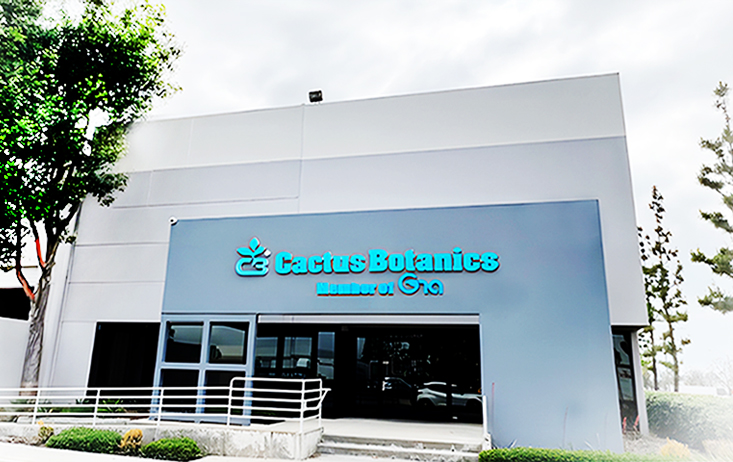
With over 25 years of global manufacturing and distribution leadership, Cactus Botanics stands as a premier B2B supplier for pharmaceutical companies, dietary supplement manufacturers, and raw material distributors worldwide.
Rigorous Quality Management System
Cactus Botanics enforces end-to-end quality assurance across all processing steps. From cartilage sourcing at audited slaughterhouses to spray-drying and micronization, every step adheres strictly to cGMP standards.
- Dual Transatlantic Hubs: Warehouses in Rowland Heights, California (USA) and Hamburg (Germany) maintain ready-to-ship stock for immediate dispatch.
- Complete Traceability: Full chain-of-custody documentation, including BSE/TSE-free certificates, origin declarations, and batch-specific CoAs.
- Custom Particle Engineering: Available in standard 80-mesh, high-density granules for direct compression, or ultra-fine 200-mesh powders for liquid suspensions.