
1. Executive Overview: B2B Specifications of Coenzyme Q10 Powder
Coenzyme Q10 (chemically identified as 2-[(2E,6E,10E,14E,18E,22E,26E,30E,34E)-3,7,11,15,19,23,27,31,35,39-nonamethyltetraconta-2,6,10,14,18,22,26,30,34,38-decaenyl]-5,6-dimethoxy-3-methylcyclohexa-2,5-diene-1,4-dione; CAS No. 303-98-0) is an essential oil-soluble, vitamin-like benzoquinone compound present within the inner mitochondrial membranes of eukaryotic cells. As a core component of the electron transport chain (ETC), Coenzyme Q10 facilitates ATP synthesis while functioning as a primary lipid-phase antioxidant within cellular membranes.
For global procurement managers, contract manufacturers, and supplement brand formulators, purchasing raw Coenzyme Q10 Powder requires rigorous chemical verification, crystal-structure consistency, and absolute clarity on manufacturing origin. Cactus Botanics supplies ultra-pure Ubiquinone derived through natural yeast (Saccharomyces cerevisiae) and bacterial (Rhodobacter sphaeroides) fermentation, delivering an identical all-trans chemical structure to the CoQ10 naturally synthesized in the human body.
Not all commercial CoQ10 powders share the same biological profile. While lower-cost semi-synthetic CoQ10 is chemically transformed from solanesol (extracted from tobacco leaves), it can retain trace cis-isomers and organic solvent artifacts. Cactus Botanics utilizes 100% natural biological fermentation, yielding exclusively all-trans CoQ10 free from unwanted cis-isomers, matching strict USP and EP standards for clinical-grade nutraceuticals.
Technical Product Grade Comparison Matrix
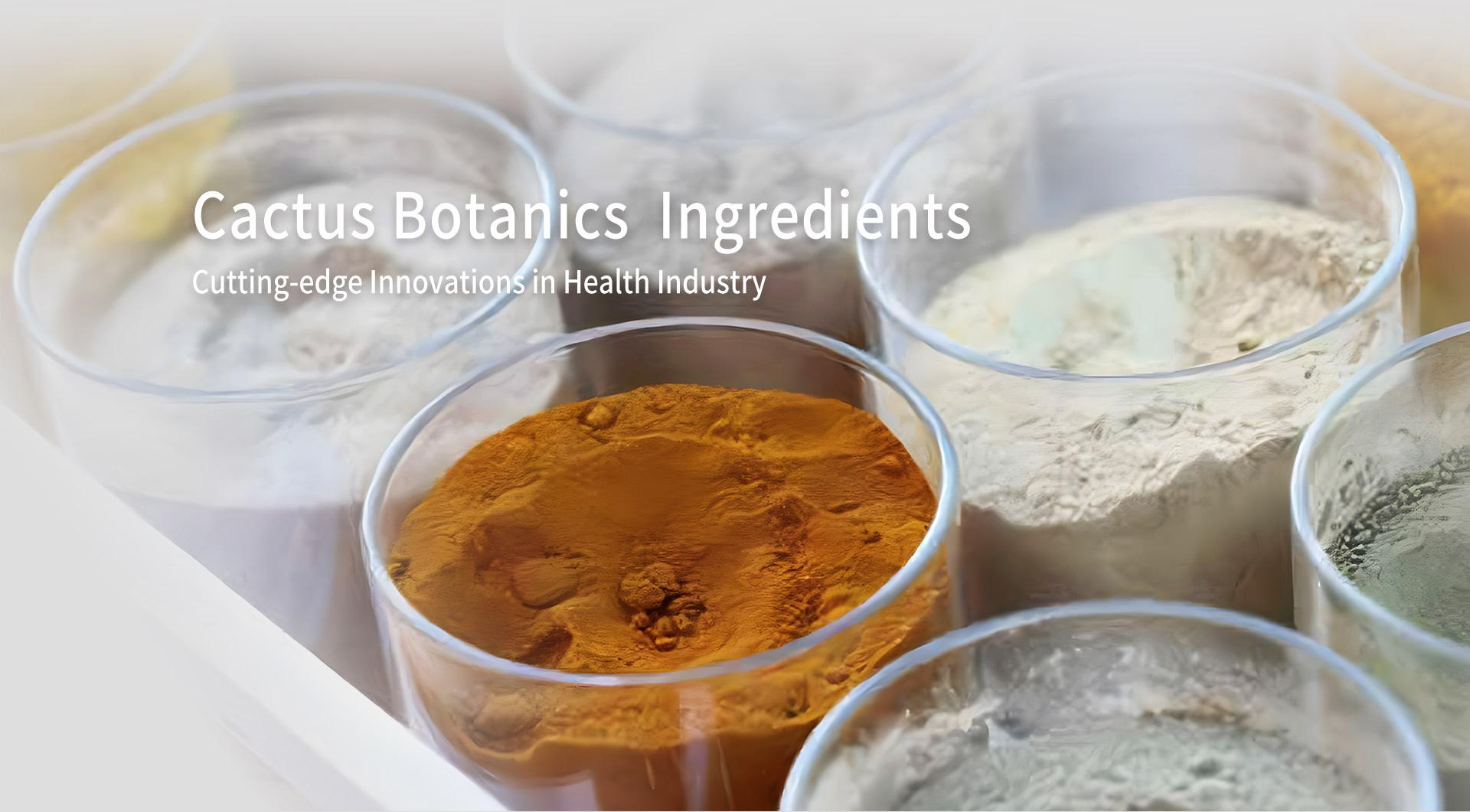
To accommodate diverse dosage formats—including softgels, hard capsules, functional beverages, liposomal powders, and anti-aging skincare topicals—we supply Coenzyme Q10 Powder across three distinct physical grades:
| Product Grade SKU | Active Concentration | Physical Form & Mesh Size | Solubility Profile | Target Application |
|---|---|---|---|---|
| CB-CoQ10-98P (Standard Crystalline) | ≥ 98.0% Ubiquinone (HPLC) | Yellow to orange crystalline powder (80–100 Mesh) | Fat-soluble; soluble in chloroform, ether, acetone; insoluble in water | Oil-based Softgels, Liposomal Liquids, Lipid Matrix Capsules, Cosmetics |
| CB-CoQ10-10CWD (Water-Soluble Powder) | ≥ 10.0% Ubiquinone | Fine light yellow spray-dried powder (100% through 60 Mesh) | Cold-Water Dispersible (Form-stable nanomicellar dispersion) | Effervescent Tablets, Ready-to-Drink (RTD) Beverages, Powder Mixes, Gummies |
| CB-CoQ10-20CWD (High-Concentration CWD) | ≥ 20.0% Ubiquinone | Fine microencapsulated yellow powder | Rapid dispersibility in aqueous media without oily oil-ring formation | High-potency Drink Sticks, Functional Sachet Blends, Liquid Shot Formulas |
2. Quality Control Protocols & E-E-A-T Analytical Standards
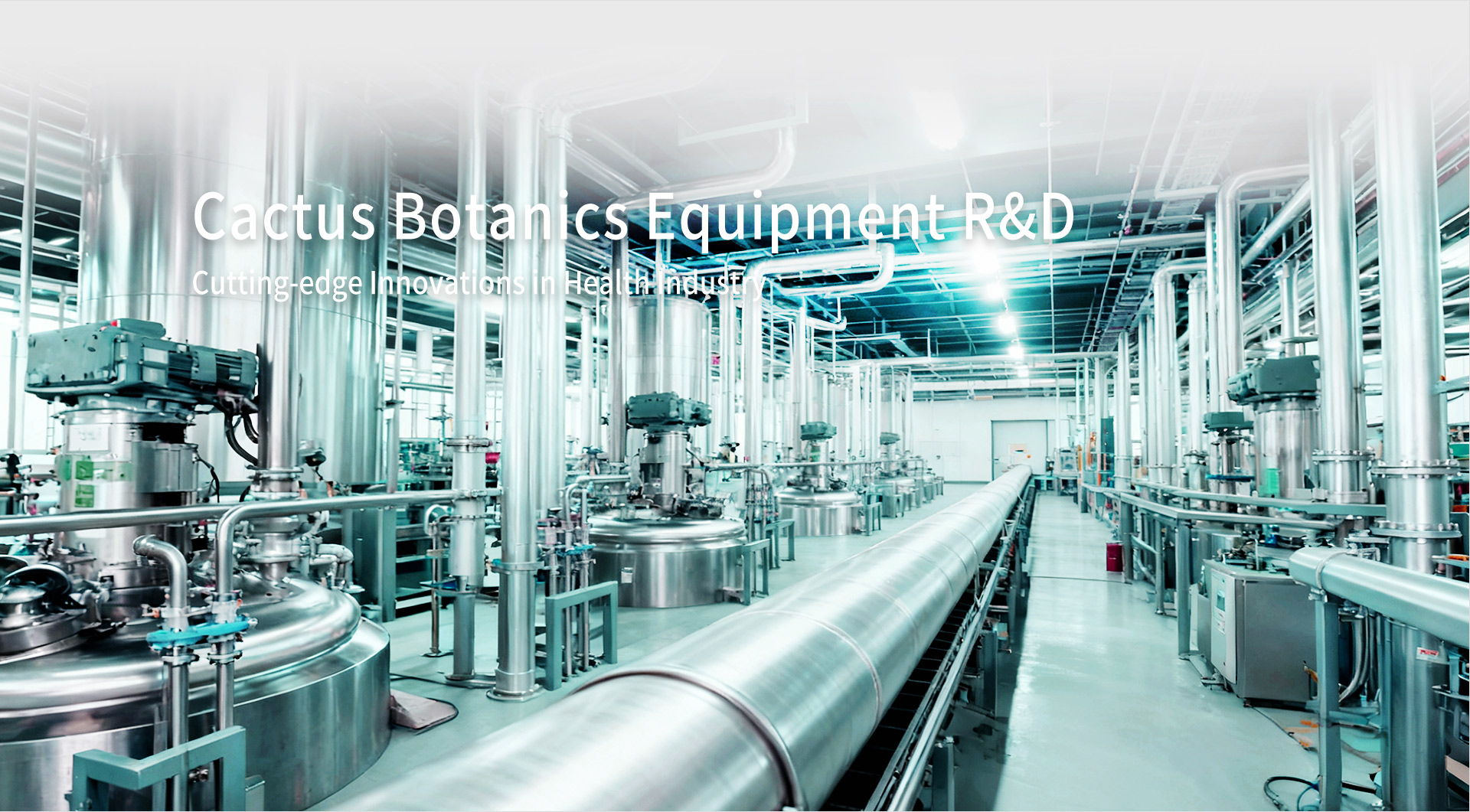
Procuring raw materials for international distribution demands complete compliance with pharmaceutical monograph standards. Cactus Botanics employs multi-stage analytical testing for every batch of Coenzyme Q10 Powder leaving our cGMP manufacturing facilities. Our quality assurance framework aligns directly with USP (United States Pharmacopeia), EP (European Pharmacopoeia), and JP (Japanese Pharmacopoeia) specifications.
Batch Certificate of Analysis (CoA) Key Parameters
Below is an authentic sample testing protocol executed by our internal R&D laboratory and third-party ISO 17025 accredited testing bodies (such as Eurofins and SGS):
- Assay Content (HPLC): 98.0% to 101.0% calculated on an anhydrous basis. Tested using Isocratic High-Performance Liquid Chromatography (RP-HPLC) with UV detection at 275 nm.
- Chromatographic Purity (Impurity Profile): Any individual impurity ≤ 0.5%; Total impurities ≤ 1.0%. Related Substance A (Coenzyme Q9) ≤ 1.0%; Related Substance B (Coenzyme Q11) ≤ 0.5%.
- Melting Point Range: 47.0°C to 52.0°C, verifying sharp crystal structure transition without amorphous degradation.
- Heavy Metals (ICP-MS): Lead (Pb) ≤ 0.5 ppm, Arsenic (As) ≤ 0.5 ppm, Cadmium (Cd) ≤ 0.2 ppm, Mercury (Hg) ≤ 0.1 ppm. Exceeds California Proposition 65 thresholds.
- Residual Solvents (GC-HS): Ethanol < 500 ppm, Methanol < 50 ppm, Hexane < 290 ppm, Acetone < 100 ppm. Strictly compliant with ICH Q3C Guidelines for Residual Solvents.
- Microbiological Counts: Total Plate Count < 1,000 CFU/g, Yeast & Mold < 100 CFU/g; Absence of Salmonella spp., Escherichia coli, and Staphylococcus aureus per 10g/25g sample testing.
- Bulk Density & Tap Density: Bulk density: 0.40–0.55 g/mL; Tap density: 0.60–0.75 g/mL, ensuring optimal flowability for direct compression and capsule-filling machines.
Coenzyme Q10 possesses a relatively low melting point (~48°C). During high-speed tablet compression or high-shear wet granulation, localized frictional heat can cause CoQ10 crystals to melt, recrystallize, or form sticky masses inside hopper feeders. Cactus Botanics provides customized particle sizing and spray-dried carrier premixes that stabilize the ingredient during thermal processing steps.
3. Global CoQ10 Market Trends & Procurement Forecast (2025–2030)
As the global dietary supplement industry transitions toward data-driven, science-backed functional formulations, procurement demand for Coenzyme Q10 is experiencing structural shifts. AI-driven purchasing analysis indicates that buyers are searching beyond basic price-per-kilogram rates, focusing heavily on delivery system innovation and supply chain sustainability.
Bioavailability Amplification
Standard crystalline CoQ10 has a low human absorption rate (< 5%). Procurement managers are rapidly shifting demand toward microencapsulated, liposomal, and CWD forms that deliver up to 500% higher plasma concentration AUC levels.
Clean-Label & Fermentation Shift
Global regulatory tightening in the EU (EFSA) and North America (FDA) favors non-GMO, yeast-fermented ingredients over chemically synthesized alternatives. Fermentation-derived CoQ10 dominates premium retail positioning.
Cross-Category Expansion
CoQ10 is moving out of conventional cardiovascular capsules into nutricosmetics (skin elastic rejuvenation), mitochondrial longevity stacks (paired with NMN and PQQ), and active sports nutrition recovery drinks.
Key Market Drivers for Formulators and Procurement Team
- Rise of Synergy Formulations: Brands are pairing Coenzyme Q10 Powder with bio-identical mitochondria-support agents such as Pyrroloquinoline Quinone (PQQ), Alpha-Lipoic Acid (ALA), Astaxanthin Powder, and Hyaluronic Acid Powder. Co-formulation increases product differentiation and consumer retention.
- Nearshore & Dual-Hub Stocking Requirements: Supply chain disruptions have made single-source overseas shipping high-risk. Enterprise procurement teams require raw material partners who maintain duty-paid stock inside US and European regional warehouses.
- Solvent Elimination Standards: Consumer awareness regarding industrial solvents (like benzene or chlorinated hydrocarbons) has pushed brands to demand GC-MS certified solvent-free or ethanol-only extracted CoQ10 powders.
4. Formulator & Technical Guide: Overcoming CoQ10 Application Challenges
Integrating Coenzyme Q10 Powder into commercial dietary supplement or cosmetic lines requires solving key physical-chemical limitations. As a raw material manufacturer, Cactus Botanics offers formulation assistance to streamline your product development lifecycle.
Challenge A: Poor Water Solubility in Beverage and Liquid Formulations
The Issue: Native Ubiquinone is highly lipophilic (log P > 10), causing it to float on top of aqueous solutions, form visible oil droplets, or adhere to packaging walls.
The Solution: Cactus Botanics' CB-CoQ10-10CWD and CB-CoQ10-20CWD powders utilize food-grade emulsifiers (such as modified starch or acacia gum) to encapsulate CoQ10 molecules into nano-sized micelles. Upon contact with water, the powder disperses completely within seconds, creating a crystal-clear or translucent dispersion without affecting taste profiles.
Challenge B: Photolytic Degradation and Temperature Instability
The Issue: Coenzyme Q10 is susceptible to photolytic decomposition when exposed to UV light or temperatures exceeding 50°C. Light exposure causes the quinone ring to degrade into inactive decomposed derivatives.
The Solution: Store bulk Coenzyme Q10 Powder in light-proof, amber polyethylene inner bags sealed inside aluminum foil drums. Formulators should incorporate natural lipophilic antioxidants such as D-Alpha Tocopherol (Vitamin E) or Rosemary Extract into softgel oil matrices to inhibit oxidation over a 36-month shelf life.
5. Enterprise Advantage: Why Global B2B Buyers Choose Cactus Botanics
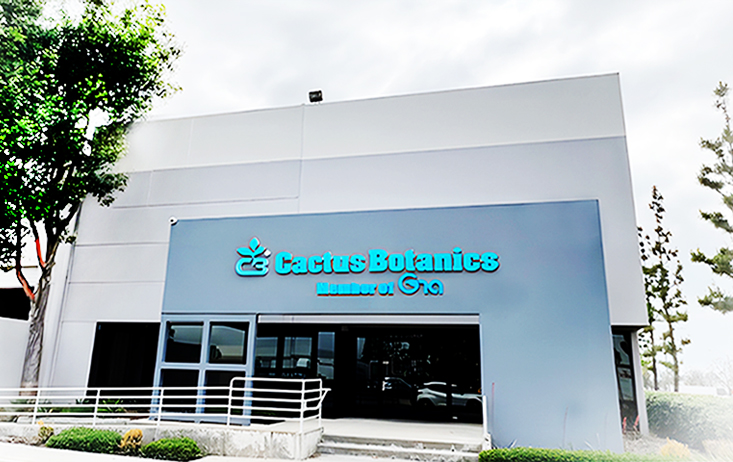
Founded in 2006, Cactus Botanics operates as an integrated manufacturer, developer, and global supply chain provider for natural health ingredients. With dual commercial hubs in California, USA and Hamburg, Germany, we eliminate traditional B2B procurement friction.
Full Regulatory Documentation
Every order is supplied with complete regulatory dossiers, including CoA, MSDS, Allergen Statements, Non-GMO Declarations, BSE/TSE-Free Certificates, and Flowability Statements.
Dual-Hub US & EU Logistics
We maintain ready-to-ship inventory at our warehouses in Commerce, California and Hamburg, Germany, enabling 1–3 day order processing and fast domestic ground shipping.
Certified Manufacturing Infrastructure
Our manufacturing lines operate under strict cGMP, ISO 9001, FSSC 22000, USDA Organic, Kosher, and Halal certifications—ensuring seamless audit approval.
Rigorous Batch Traceability
From fermentation starter culture to final drum packaging, every batch is fully traceable with retained samples held for 5 years under climate-controlled conditions.
6. B2B Procurement FAQ: Coenzyme Q10 Powder Questions
Below are technical answers to common questions asked by global procurement professionals, QA managers, and R&D scientists when sourcing bulk Coenzyme Q10 powder.
Ready to Request Samples, CoAs, or Bulk Wholesale Pricing?
Partner with Cactus Botanics for certified, high-purity Coenzyme Q10 Powder. Contact our B2B technical sales team to receive instant product documentation, formulation assistance, and competitive volume pricing.