

Cactus Botanics Botanical Research and News
Industry Insights & Updates

Botanical Extracts & Health Ingredients Blog

Explore technical insights, scientific research, and market updates from Cactus Botanics.

Scientific Research & Production Insights
Quality & Science Nutraceutical Innovations & Scientific Standards

In-depth knowledge on botanical extraction methods and global compliance.

0%

Organic Vegetable Powder is becoming a practical option for smoothies, soups, sauces, and emergency pantry storage. It offers concentrated color, flavor, and nutrients without washing or chopping fresh produce every day. Still, “organic” alone does not guarantee superior nutrition, better taste, or responsible sourcing.

The Organic Trade Association reported that U.S. organic food sales reached approximately $67.6 billion in 2023, showing strong consumer demand for certified products. Meanwhile, the USDA requires organic processors to follow strict handling and labeling rules. These standards matter when comparing powders made from spinach, beetroot, kale, carrot, or mixed vegetables. Packaging claims can sound impressive. The ingredient panel tells a clearer story.

Laura Batcha, executive director and CEO of the Organic Trade Association, has emphasized, “Organic is about how food is produced.” That principle should guide every purchase. Buyers need to examine certification, country of origin, processing temperature, added ingredients, testing records, and serving size. A bright green powder may reflect real vegetables—or added color.

This guide introduces 10 practical tips for buying Organic Vegetable Powder with greater confidence. It draws on industry reporting, food-labeling standards, and real purchasing considerations. Some advice may feel obvious. It is still easy to overlook.

A useful reflection comes first: powder is convenient, but it is not a complete substitute for fresh vegetables. Choose products that match your dietary needs, storage habits, and budget. Check the details. Then compare honestly.
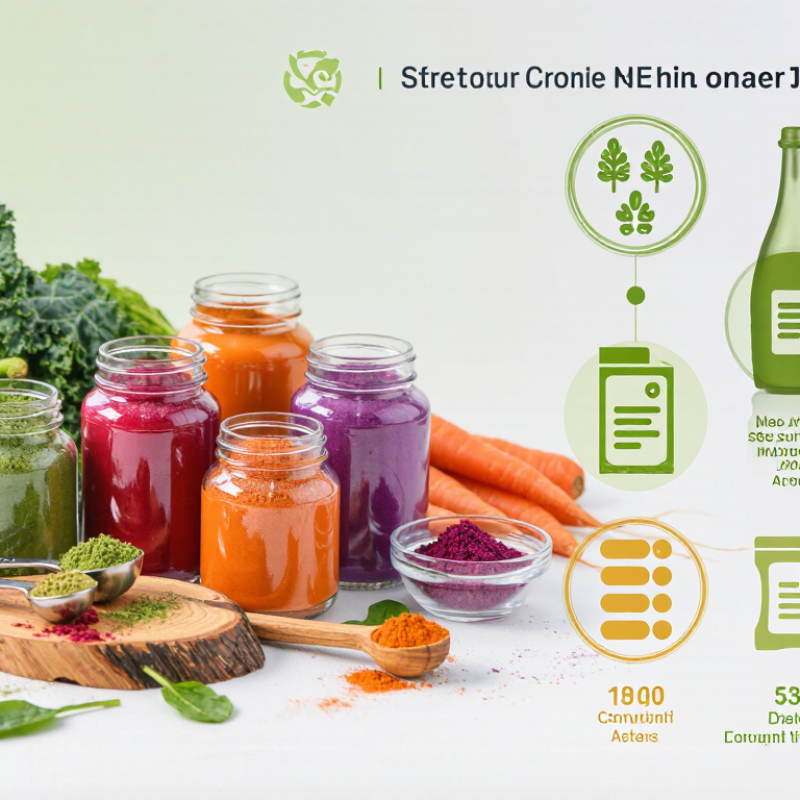
10 Tips for Buying Organic Vegetable Powder?

Understanding Organic Vegetable Powder and Its Common Uses

Organic vegetable powder is made by drying and milling vegetables into a concentrated, shelf-stable ingredient. Common examples include spinach, carrot, beetroot, pumpkin, and kale powder. People blend it into smoothies, soups, sauces, noodles, crackers, and nutrition mixes. It can add color and flavor when fresh produce is unavailable.

The World of Organic Agriculture 2024 reports 96.4 million hectares of certified organic farmland worldwide in 2022. It also recorded global organic retail sales of €134.8 billion that year. These figures show strong consumer interest, but organic labeling does not guarantee superior nutrition. Drying may reduce some heat-sensitive nutrients. Powder also lacks the natural water and texture of fresh vegetables.

UNEP’s Food Waste Index Report 2024 estimates that 1.05 billion tonnes of food were wasted in 2022. Vegetable powder may support longer storage and easier transport, but it cannot solve waste alone. When choosing a product, check the certification, vegetable percentage, additives, moisture control, and serving size. Look for clear batch information and laboratory testing when available. A bright color can look appealing. It may also reflect processing, not freshness. I would avoid treating powder as a complete vegetable replacement. That assumption is convenient, but incomplete.

10 Tips for Buying Organic Vegetable Powder: Understanding Organic Vegetable Powder and Its Common Uses

Organic vegetable powder can be added to smoothies, soups, sauces, and baked foods. It may be convenient, but it should complement—not replace—whole vegetables, which provide valuable fiber and texture. The chart shows general daily vegetable targets for U.S. adults based on age and sex.

Checking Organic Certification, Ingredient Purity, and Product Origin

Certification tips: Check the certifier’s name and certificate number. A trusted organic seal should be verifiable online. Organic certification confirms farming and processing standards, not perfect nutrition. The FiBL and IFOAM report recorded €124.8 billion in global organic sales in 2021. Demand is real, but labels still need careful reading. Tip: Confirm the certificate covers the exact product, not only the supplier.

Purity tips: Choose a short ingredient list. Ideally, it names one vegetable and nothing else. Look for hidden carriers, sweeteners, colors, and anti-caking agents. Ask for independent testing of pesticides, heavy metals, microbes, and allergens. A certificate of analysis can reveal details missing from the front label. Tip: Check the lot number and test date. Fresh testing matters. However, laboratory documents can be difficult for ordinary shoppers to interpret.

Origin tips: Find the vegetable’s growing country, processing location, and packaging site. “Packed in” does not always mean “grown in.” Traceable products should provide a lot code and responsive customer service. The USDA Economic Research Service reported that certified organic farmland exceeded 4.5 million acres in the United States in 2021. That figure supports supply growth, but it does not guarantee every powder has equal quality. Tip: Compare harvest information, moisture control, and storage instructions. I would also question vague claims like “pure,” because marketing language often sounds stronger than the evidence.

10 Tips for Buying Organic Vegetable Powder: Checking Organic Certification, Ingredient Purity, and Product Origin

No. Buying Tip What to Check Reliable Evidence Practical Standard Buyer Action
1 Verify organic certification Confirm that the finished product, not only the raw crop, is covered by a recognized organic program. Certification name, certificate number, scope of certification, and current validity date. Organic rules vary by market; certification should be issued by an authorized or accredited certifier. Search the certifier’s public directory or request a current certificate.
2 Read the complete ingredient list Look for the vegetable name and identify carriers, sweeteners, flavorings, colors, anti-caking agents, or fillers. A full ingredient declaration using clear, specific ingredient names. A single-ingredient powder should list only the named vegetable, unless the label states otherwise. Choose a product whose ingredient list matches your dietary requirements.
3 Check ingredient purity Assess whether the powder is diluted with starch, maltodextrin, sugar, salt, or another vegetable. Ingredient percentages, product specification, or an independent laboratory report. The declared percentage should be consistent with the product description and nutrition panel. Avoid vague terms such as “vegetable blend” when the exact proportions matter.
4 Confirm the country of origin Distinguish the origin of the vegetable from the location where it was processed or packaged. A clear origin statement, supply-chain record, or batch traceability document. “Packed in” or “processed in” does not necessarily mean the crop was grown there. Select an origin that meets your quality, environmental, or sourcing preferences.
5 Review processing information Check whether the powder was air-dried, drum-dried, freeze-dried, or processed using another method. Processing description, technical data sheet, and storage instructions. Drying method can affect color, flavor, solubility, and nutrient retention; no single method is best for every use. Match the processing method to smoothies, cooking, baking, or supplementation.
6 Request a certificate of analysis Check whether the batch has been tested for identity, moisture, microbiological safety, and relevant contaminants. A batch-specific COA issued by an appropriately qualified laboratory. Results should include test methods, units, acceptance limits, batch number, and test date. Prefer documents that correspond to the lot number on the package.
7 Assess microbiological controls Look for testing of total plate count, yeast and mold, and pathogens where applicable. Laboratory results and documented food-safety procedures such as HACCP-based controls. Limits depend on the food category, intended use, and applicable regulations. Do not rely on appearance or smell as a substitute for safety testing.
8 Check contaminant testing Determine whether testing covers heavy metals, pesticide residues, and other risks relevant to the crop and origin. Multi-residue pesticide report and heavy-metal results with laboratory detection limits. Organic certification restricts agricultural inputs but does not mean every batch is contaminant-free. Ask for recent, batch-linked results rather than general marketing claims.
9 Inspect date and traceability details Review the lot number, production date, best-before date, and traceability information. Legible lot coding and a customer-service or recall contact route. A best-before date concerns quality; storage conditions still affect freshness and safety. Choose intact packaging with sufficient shelf life for your planned use.
10 Evaluate packaging and storage Check protection from moisture, oxygen, light, heat, and contamination after opening. Resealable barrier packaging, storage temperature guidance, and handling instructions. Powders generally require a cool, dry place and a tightly closed container after opening. Use a clean, dry scoop and close the package promptly after each use.
Quick buyer rule: A trustworthy organic vegetable powder should provide a verifiable certification, a transparent ingredient list, clear origin information, batch traceability, and appropriate laboratory testing.

Evaluating Processing Methods, Nutritional Quality, and Freshness

10 Tips for Buying Organic Vegetable Powder

Tip 1: Check the processing method. Low-temperature drying usually protects color, aroma, and heat-sensitive nutrients better than intense heat. Tip 2: Look for clear information about washing, drying, and milling. Vague descriptions deserve caution. Tip 3: Choose powders with no unnecessary sweeteners, fillers, or artificial colors. The ingredient list should be short.

Tip 4: Compare nutrition panels carefully. Fiber, protein, minerals, and serving size can vary greatly between products. Tip 5: Do not assume “organic” means nutritionally superior. Organic certification mainly concerns production standards, not guaranteed vitamin levels. Tip 6: Look for independent testing or a current certificate when possible. Reliable sellers should explain testing for contaminants and allergens. Tip 7: Check the harvest or packing date. Freshness matters. I prefer powder packed in a sealed, light-resistant container, especially for leafy vegetables.

Tip 8: Smell the powder after opening. A clean, mild vegetable scent is reassuring; a stale or damp odor is not. Tip 9: Examine the color, but do not trust color alone. Bright green powder may reflect processing rather than better nutrition. Tip 10: Buy a small package first. Taste, texture, and freshness can disappoint, even when the label looks excellent. Store it tightly closed, away from heat and moisture. I once ignored a slightly clumpy texture. That was a useful mistake. Some powders dissolve poorly, so test a teaspoon in cool water before buying more.

Comparing Labels, Packaging, Storage Needs, and Serving Information

When buying organic vegetable powder, read the certification statement carefully. “Organic” should identify a recognized certifier and a clear ingredient percentage. The ingredient list must appear by weight, as required by FDA labeling guidance. Check whether vegetable powder is the only ingredient, or whether maltodextrin, salt, or flavoring has been added. Organic does not automatically mean higher nutrition. A 2023 USDA Organic Survey recorded $9.6 billion in certified organic product sales, showing a large market, but not guaranteed quality.

Packaging needs practical inspection. Choose an intact, opaque, resealable pouch or container with a lot code and best-before date. A broken inner seal is a warning. The 2024 UNEP Food Waste Index estimated 1.05 billion tonnes of food waste in 2022. Good packaging cannot solve waste alone, but it can limit moisture, light, and repeated exposure. Store the powder in a cool, dry cupboard, away from steam and direct sunlight. Refrigeration is usually unnecessary unless the instructions require it. I once trusted a large tub too quickly; the powder clumped before its date.

Serving information deserves equal attention. Look for grams per serving, scoop volume, preparation instructions, and the number of servings per container. Compare nutrient values by weight, not only by scoop size. USDA FoodKeeper guidance supports following package storage directions and checking product quality over time. Also inspect allergen statements and suggested daily use. A tiny scoop may look economical. It may not be.

Assessing Safety Testing, Price, Reviews, and Personal Dietary Needs

10 Tips for Buying Organic Vegetable Powder?

Organic labels can signal farming practices, not complete product safety. The U.S. Organic Industry Survey reported $69.7 billion in organic sales during 2023, showing strong demand and crowded shelves. Check for current organic certification and a batch-specific Certificate of Analysis. It should identify heavy metals, pesticide residues, pathogens, and microbial counts. FDA guidance says dietary supplements are not approved for safety before marketing. Testing evidence matters more than green packaging.

Compare price by serving and gram, not container size. A large tub may contain fewer effective servings. Look for clear ingredient weights, testing dates, and storage instructions. Reviews can reveal clumping, bitter flavor, or damaged seals. They cannot prove purity.

I once trusted a high rating too quickly. That was not careful enough. Review patterns matter more than isolated praise.

Personal needs should guide the purchase. Some vegetable powders may contain meaningful vitamin K, potassium, oxalates, or added sodium. These details can matter with blood thinners, kidney conditions, or restricted diets. NIH fact sheets warn that supplements may interact with medicines. Ask a registered dietitian or pharmacist when risks are unclear.

Choose products with allergen statements and simple ingredient lists. “Organic” does not mean suitable for everyone. Check serving size, then consider your real diet, not an idealized one.

(Sources: Organic Trade Association, 2024 Organic Industry Survey; U.S. FDA, Dietary Supplements; NIH Office of Dietary Supplements.)

FAQS

What is organic vegetable powder?

It is made by drying and milling vegetables into a concentrated, shelf-stable powder. Common choices include spinach, carrot, beetroot, pumpkin, and kale. The powder can add vegetable color and flavor.

How can organic vegetable powder be used?

Mix it into smoothies, soups, sauces, noodles, crackers, or nutrition mixes. A teaspoon can tint dough green or turn soup orange. Start with a small amount because flavor strength varies.

Is organic vegetable powder more nutritious than fresh vegetables?

Not automatically. Organic labeling mainly describes production standards, not guaranteed vitamin levels. Drying can reduce some heat-sensitive nutrients. Powder also lacks fresh vegetables’ water and texture.

What should I check on the ingredient label?

Look for the vegetable percentage and a short ingredient list. Avoid unnecessary sweeteners, fillers, salt, or artificial colors. Ingredients should be listed by weight. A familiar label can still hide poor serving information.

Which processing details matter?

Low-temperature drying usually protects color, aroma, and sensitive nutrients better than intense heat. Check whether washing, drying, and milling are clearly described. Vague processing language deserves caution.

How can I judge freshness after opening?

Look for a clean, mild vegetable smell. A stale or damp odor is concerning. Slight clumping may indicate moisture exposure. I once ignored clumps, and the powder later mixed poorly.

What packaging and storage conditions are best?

Choose an intact, opaque, resealable container with a lot code and best-before date. A broken inner seal is a warning. Store it in a cool, dry cupboard away from steam and sunlight. Keep the lid tightly closed.

How should serving information be compared?

Check grams per serving, scoop volume, preparation instructions, and servings per container. Compare nutrients by weight, not only by scoop size. A tiny scoop may appear economical. It may not be.

Should I buy a large package immediately?

Buying a small package first is safer. Test one teaspoon in cool water for taste and dissolving quality. Some powders remain gritty or settle quickly. The label may look excellent, but the texture can disappoint.

Conclusion

Buying Organic Vegetable Powder requires more than choosing the most attractive package. Start by understanding how the powder fits your diet, whether for smoothies, soups, baking, or convenient daily nutrition. Look for recognized organic certification, a short and transparent ingredient list, and clear information about the product’s origin. Evaluate how the vegetables were processed, since gentle methods may help preserve flavor, color, and nutrients. Check the production or expiration date, freshness indicators, serving size, and nutritional details to understand what each portion provides.

Also compare packaging quality, storage instructions, and protection from moisture, heat, and light. Reliable safety testing and clear manufacturing information can increase confidence in the product. Price should be considered alongside ingredient quality, serving count, and customer feedback rather than judged alone. Finally, choose an Organic Vegetable Powder that matches your dietary preferences, allergies, nutritional goals, and lifestyle. Careful comparison of these factors can help you make a practical, informed, and suitable purchase.

Liam

Liam

Liam is a skilled marketing professional with a profound understanding of our company’s innovative products and core business strategies. With years of experience in the industry, he excels at crafting engaging and informative blog posts that not only highlight the technical proficiency of our......