

Cactus Botanics Botanical Research and News
Industry Insights & Updates

Botanical Extracts & Health Ingredients Blog

Explore technical insights, scientific research, and market updates from Cactus Botanics.

Scientific Research & Production Insights
Quality & Science Nutraceutical Innovations & Scientific Standards

In-depth knowledge on botanical extraction methods and global compliance.

0%

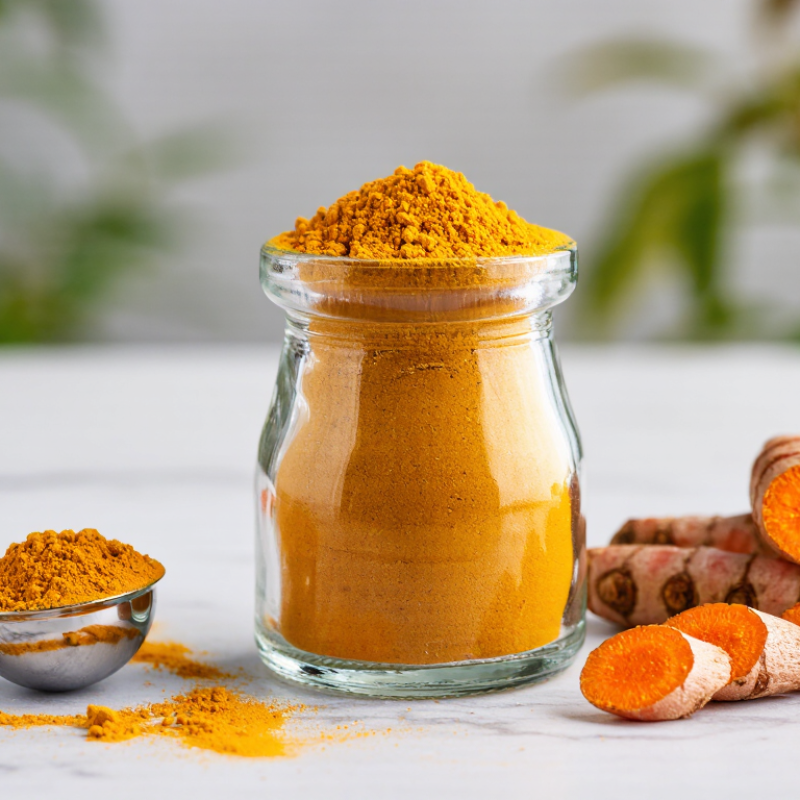
Buying high-quality Turmeric Powder Extract starts with a simple question: what is actually in the powder? The answer should be visible in a specification sheet, not inferred from a bright yellow label. Check the botanical name, plant part, extraction method, carrier ingredients, and batch-specific test results. A stated curcuminoid percentage is useful, but it does not tell the whole story. Identity, contaminants, moisture, and consistency matter too. Small details count.

Market figures help explain why careful comparison matters. Grand View Research estimated the global turmeric market at about US$5.8 billion in 2022 and projected a 6.7% compound annual growth rate from 2023 to 2030. That figure covers turmeric broadly, not extract alone, so it should not be mistaken for an extract-quality measure. Growth can bring more choices. It can also make vague claims harder to assess.

Botanical quality specialist Dr. Roy Upton, founder of the American Herbal Pharmacopoeia, has emphasized the importance of reliable botanical identity and quality standards. His work points buyers toward a practical habit: ask for evidence tied to the specific lot. Look for a certificate of analysis from a qualified laboratory, and verify whether it reports identity, curcuminoids, and relevant contaminants. If a supplier cannot explain its test methods, pause. A polished certificate can still leave questions. There is no perfect shortcut; even a good specification deserves a careful read.
How to Buy High Quality Turmeric Powder Extract?

Understanding Turmeric Powder and Extract Labels

How to Buy High Quality Turmeric Powder Extract?

Turmeric powder and turmeric extract are not identical products. Powder usually means dried, ground turmeric root. Its label may list only the plant material and serving size. Extract labels should state the extraction ratio or curcuminoid percentage. A “95% curcuminoids” claim describes concentration, not necessarily better absorption. The American Botanical Council’s 2023 HerbalGram report valued United States herbal supplement sales at about $12.6 billion. That growth makes careful label reading more important.

Look for the botanical name, plant part, country of origin, batch number, and expiration date. Reliable labels should identify testing for heavy metals, pesticides, microbes, and adulterants. USP quality guidance and AOAC-tested methods can support these checks, but a seal alone does not prove every quality feature. Ask for a current certificate of analysis when possible. It should match the batch number on the container. I still treat a glossy label as a clue, not proof. Labels can be technically correct yet incomplete.

Tips: Compare the serving size with the stated curcuminoid amount. Check whether black pepper extract or another absorption aid is included, and whether its quantity is disclosed. Avoid confusing “turmeric root powder” with “standardized extract.” Also inspect the powder itself: it should have a clean earthy aroma, even color, and no damp clumps. This is only a screening step. Laboratory testing matters more. Some labels remain vague, and that is a fair reason to keep looking.

Checking Curcumin Content and Ingredient Transparency

Buying high-quality turmeric powder extract starts with the curcumin number, but that number needs context.

Curcuminoids usually include curcumin, demethoxycurcumin, and bisdemethoxycurcumin. A 2023 review in Foods reported wide variation in commercial turmeric products, depending on cultivar, processing, and extraction method.

Therefore, “95% curcuminoids” does not automatically mean better quality. Check whether the label states curcumin alone or total curcuminoids.

Look for a batch-specific certificate of analysis, preferably based on HPLC testing. The report should show the actual curcuminoid result, not only a target specification.

USP quality guidance for botanical ingredients also emphasizes identity, purity, strength, and contamination controls. Ask for testing results for lead, arsenic, cadmium, mercury, pesticides, microbes, and unauthorized colorants.

Turmeric powders can look impressively bright. Color is not proof.

Ingredient transparency matters just as much. The package should identify turmeric species, plant part, country of origin, extraction ratio, solvents, and added ingredients.

A 2022 report from the European Food Safety Authority highlighted the importance of clear botanical characterization when evaluating plant-based products. I would also check the manufacturing date and storage conditions, since light and moisture can reduce stability.

A label can be technically correct yet still unhelpful. I have seen products listing “standardized extract” without explaining what was standardized.

That is a warning sign, though not absolute proof of poor quality.

Ask questions before buying.

Evaluating Purity, Testing, and Quality Certifications

When buying turmeric powder extract, purity should be verified, not guessed from its bright color. The USP Food Fraud Database identifies turmeric as vulnerable to dilution, substitution, and undeclared synthetic dyes. The Botanical Adulterants Prevention Program has reported similar concerns involving turmeric root extracts. A vivid yellow appearance proves very little.

Ask for a batch-specific certificate of analysis. It should state curcuminoid content, moisture, microbial limits, heavy metals, pesticide residues, and residual solvents. HPLC is useful for measuring curcuminoids, while HPTLC can help confirm botanical identity. Testing should also examine lead, arsenic, cadmium, and mercury. These details matter because extraction can concentrate unwanted substances. Small differences matter.

Quality certifications add confidence, but they are not absolute proof. Look for current GMP, ISO 22000, or equivalent food-safety certification. Confirm the certificate covers the actual manufacturing site. Check its expiry date and certification scope. A generic document is a warning sign. So is a certificate without a lot number.

In practical purchasing, I would compare the laboratory name, test date, and sampling method. Independent testing is stronger than internal paperwork. Still, even good testing has limits. One tested batch cannot guarantee every shipment. That uncomfortable detail is often overlooked. Reliable suppliers explain uncertainty instead of hiding it.

How to Buy High Quality Turmeric Powder Extract? - Evaluating Purity, Testing, and Quality Certifications

Evaluation dimension What to check How to evaluate it Quality signals and cautions
Product identity The label should identify turmeric as Curcuma longa and distinguish whole-root powder from an extract. Check the ingredient statement, plant part, and product specification. For identity, ask whether the supplier uses a validated chromatographic or other suitable identity test. Root powder and concentrated extract are not interchangeable. A product described only as “turmeric powder” may not disclose its curcuminoid concentration.
Curcuminoid content The stated percentage or amount of curcuminoids, if the product is standardized. Request a lot-specific result, preferably measured by HPLC or another validated method, and confirm whether the result is reported on an “as-is” or dry-weight basis. Standardized extracts may specify a curcuminoid percentage, but there is no single percentage appropriate for every turmeric product. Compare the result with the product’s own specification and label claim.
Purity and adulteration Undeclared colorants, fillers, or other adulterants; consistency with the ingredient declaration. Ask for the supplier’s risk-based authenticity testing plan and the methods used. Review ingredient and processing-aid disclosures. A color or appearance check alone cannot establish authenticity. Testing should be appropriate to the risks and origin of the material.
Heavy metals Lead, cadmium, arsenic, and mercury results. Request results from a qualified laboratory, commonly using ICP-MS or an equivalent validated elemental-analysis method. Check units, reporting limits, and the applicable market’s requirements. Evaluate results against applicable regulations and the product’s daily serving size; limits can differ by jurisdiction and product category.
Microbiological quality Relevant pathogens and hygiene indicators, such as Salmonella, total aerobic microbial count, yeast, and mold. Review the test panel, methods, sample information, and acceptance criteria in the specification or certificate of analysis (COA). A “not detected” result applies to the stated sample, method, and detection limit; it does not mean the product is sterile.
Pesticide residues Residues relevant to the crop’s origin and destination market. Request a multi-residue laboratory screen and compare detected levels with applicable maximum residue limits. “Pesticide-free” should be supported by defined testing and reporting limits; it should not be inferred from a general quality certificate.
COA and traceability A certificate of analysis tied to the specific lot, with test dates, methods, results, units, and release criteria. Match the lot or batch number on the COA to the product packaging or purchase documents. Confirm laboratory identity and whether testing was performed by an independent lab. A generic COA or undated summary is less useful than a current, lot-specific report. Check that results are numerical where appropriate.
Quality certifications Relevant food-safety or quality-management systems, such as a recognized GFSI-benchmarked food-safety certification or ISO 22000. Verify the certificate with the issuing body or certification database. Check the certified site, scope, validity dates, and whether it covers the activity involved. Certification indicates a defined management-system audit scope; it does not by itself prove that a specific turmeric lot passed every purity test.
Storage and packaging Packaging integrity, protection from moisture and light, storage instructions, and a clear lot or expiry date. Check that the package is sealed and undamaged, and follow the supplier’s stated storage conditions. Good packaging helps protect product quality but cannot substitute for identity, contaminant, or potency testing.

Use the product specification and applicable local regulations when setting acceptance limits. Testing should be performed using suitable, validated methods by a qualified laboratory.

Choosing the Right Form, Strength, and Intended Use

Choosing turmeric powder extract starts with identifying its intended use. Culinary turmeric is a ground root, while extracts concentrate selected compounds, often curcuminoids. Check the label for the plant part, extraction method, and curcuminoid percentage.

“High strength” is not a complete quality measure. A clear certificate of analysis should show identity, potency, and screening for contaminants. Look for independent testing, not just a polished label.

Match the form to the purpose. For recipes, ordinary powder offers earthy flavor and color; extracts may taste sharper and suit measured supplement formats.

Curcumin is poorly absorbed, so some products add absorption-enhancing ingredients. These may not suit everyone. Ask a clinician if you take medication or have a health condition.

The U.S. National Center for Complementary and Integrative Health notes that studies have examined turmeric or curcumin doses ranging from 500 to 2,000 milligrams daily, but evidence remains insufficient to confirm benefits for most conditions. That range is not a personal dose recommendation.

Read the serving size carefully: milligrams of extract are not necessarily milligrams of curcuminoids. Small label details matter. And labels can still confuse.

Comparing Manufacturers, Packaging, and Storage Instructions

Choosing high-quality turmeric powder extract starts with comparing manufacturers, not attractive labels. A reliable producer should explain the turmeric source, extraction method, curcuminoid percentage, and batch testing process. Look for a current certificate of analysis covering identity, potency, moisture, microbes, heavy metals, and unwanted residues. Traceable batch numbers matter because they connect the pouch to real production records. Manufacturing under recognized quality systems adds confidence, although paperwork alone cannot prove every detail.

Packaging protects the extract before you use it. Prefer an opaque, food-grade pouch or sealed container that limits light, oxygen, and moisture. A strong inner seal is essential. Clear jars may look convenient, but sunlight can gradually weaken sensitive compounds. Check whether the package includes a lot number, net weight, production date, and clear expiry guidance. I have learned that a polished design can still hide weak information. A small, readable label is often more useful than a glossy one.

Tips: Store the unopened package in a cool, dry, dark cupboard. Keep it away from steam, sinks, and direct sunlight. After opening, close the seal firmly and use a clean, dry spoon. Do not refrigerate unless the manufacturer specifically recommends it, because condensation may enter the powder. If the aroma, color, or texture changes sharply, pause before using it. Storage advice is easy to ignore, and that is where quality can quietly decline.

FAQS

What is the difference between turmeric powder and turmeric extract?

Turmeric powder is usually dried, ground root. An extract is more concentrated. Its label should state the extraction ratio or curcuminoid percentage.

Which label details deserve careful checking?

Look for the botanical name, plant part, origin, batch number, and expiry date. Missing details are a fair reason to keep looking.

Does a “95% curcuminoids” claim prove better absorption?

No. It describes concentration, not necessarily absorption. Check the serving size and actual curcuminoid amount together.

What testing information should a reliable product provide?

Look for testing covering identity, potency, moisture, microbes, heavy metals, pesticides, and unwanted residues. Laboratory evidence matters more than attractive packaging.

Why does a certificate of analysis matter?

A current certificate can support quality claims. Its batch number should match the container. Paperwork still needs careful checking.

Should an absorption aid appear on the label?

If included, its name and quantity should be disclosed. A vague “enhanced absorption” claim tells you very little.

What packaging helps protect turmeric extract?

Choose a sealed, opaque, food-grade pouch or container. It should limit light, oxygen, and moisture. Clear packaging may expose the powder to sunlight.

How should turmeric powder extract be stored after opening?

Keep it in a cool, dry, dark cupboard. Use a clean, dry spoon and close the seal firmly. Keep it away from steam and sinks.

Can appearance and smell confirm product quality?

They offer only a basic screening step. The powder should have an earthy aroma, even color, and no damp clumps. Laboratory testing is stronger evidence.

Conclusion

Choosing a high-quality Turmeric Powder Extract starts with understanding the label. Turmeric powder is the ground root, while an extract is a concentrated preparation; products may differ in curcumin content and serving strength. Check whether the amount of curcumin is clearly stated and whether the ingredient list explains the extract and any added ingredients without vague claims.

Next, look for evidence of product quality, such as purity testing and clear quality certifications, and consider whether the form and strength suit your intended use. Compare manufacturers based on transparent information, consistent labeling, and practical packaging rather than promotional promises. Packaging should protect the product from moisture, light, and air, while storage instructions should be easy to follow. Taking time to review these details can help you make a more informed choice and select a product whose contents and handling are clearly described.

Liam

Liam

Liam is a skilled marketing professional with a profound understanding of our company’s innovative products and core business strategies. With years of experience in the industry, he excels at crafting engaging and informative blog posts that not only highlight the technical proficiency of our......