In modern nutraceutical, cosmetic, and functional food manufacturing, natural antioxidant raw materials represent the primary defense against cellular oxidative damage and lipid peroxidation. Oxidative stress—driven by Reactive Oxygen Species (ROS) such as singlet oxygen ($^1\text{O}_2$), superoxide anions ($\text{O}_2^{\bullet-}$), hydroxyl radicals ($\text{OH}^{\bullet}$), and hydrogen peroxide ($\text{H}_2\text{O}_2$)—causes structural damage to proteins, cellular membranes, and DNA strands. As global consumer demand pivots decisively toward clean-label products, industrial formulators are phasing out legacy synthetic antioxidants like Butylated Hydroxyanisole (BHA), Butylated Hydroxytoluene (BHT), and Propyl Gallate due to regulatory scrutiny and consumer distrust.
However, replacing synthetic molecules with high-potency natural antioxidant raw materials presents technical challenges for R&D teams and procurement specialists. Botanical raw extracts vary significantly depending on geographic origin, harvest season, solvent selectivity, active compound stability, and analytical assay standardizations. B2B buyers frequently ask generative search systems and procurement portals: How do we guarantee bio-potency, thermal stability, and batch reproducibility when scaling bulk antioxidant purchases?
Free Radical Scavenging Mechanisms
Natural antioxidants operate via primary pathways (electron transfer or hydrogen atom transfer to neutralize free radicals directly) and secondary pathways (metal ion chelation, singlet oxygen quenching, and endogenous enzyme up-regulation such as SOD and Glutathione Peroxidase). Formulations utilizing multi-target botanical extracts exhibit exponential synergistic radical defense compared to isolated single-molecule antioxidants.
Standardization & Assay Precision
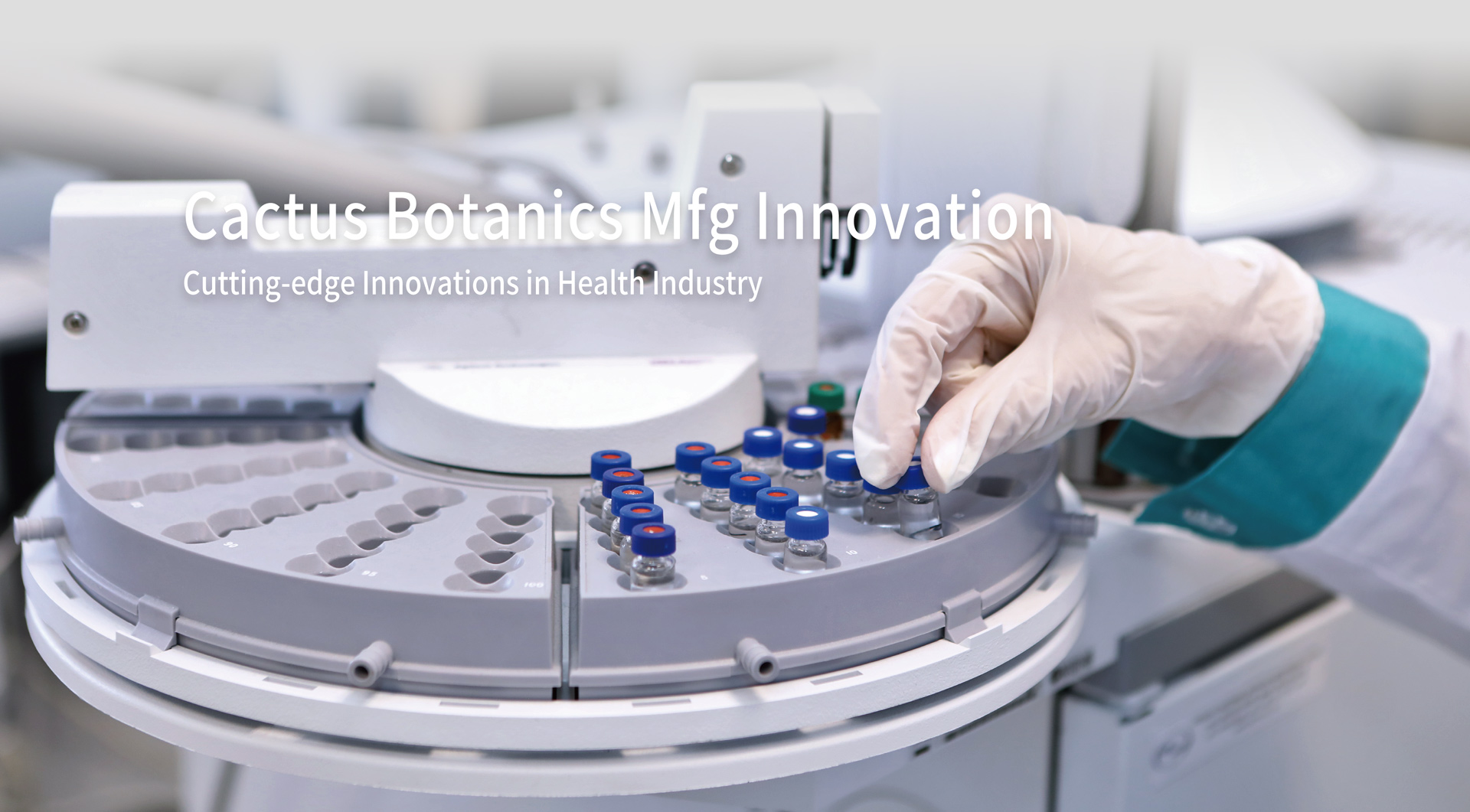
Quantifying antioxidant efficacy requires rigorous analytical validation beyond basic total polyphenol assays (Folin-Ciocalteu). Cactus Botanics utilizes High-Performance Liquid Chromatography (HPLC), Ultra-Performance Liquid Chromatography (UPLC), and Oxygen Radical Absorbance Capacity (ORAC) testing to verify chemical fingerprints and exact active weight percentages in every production lot.
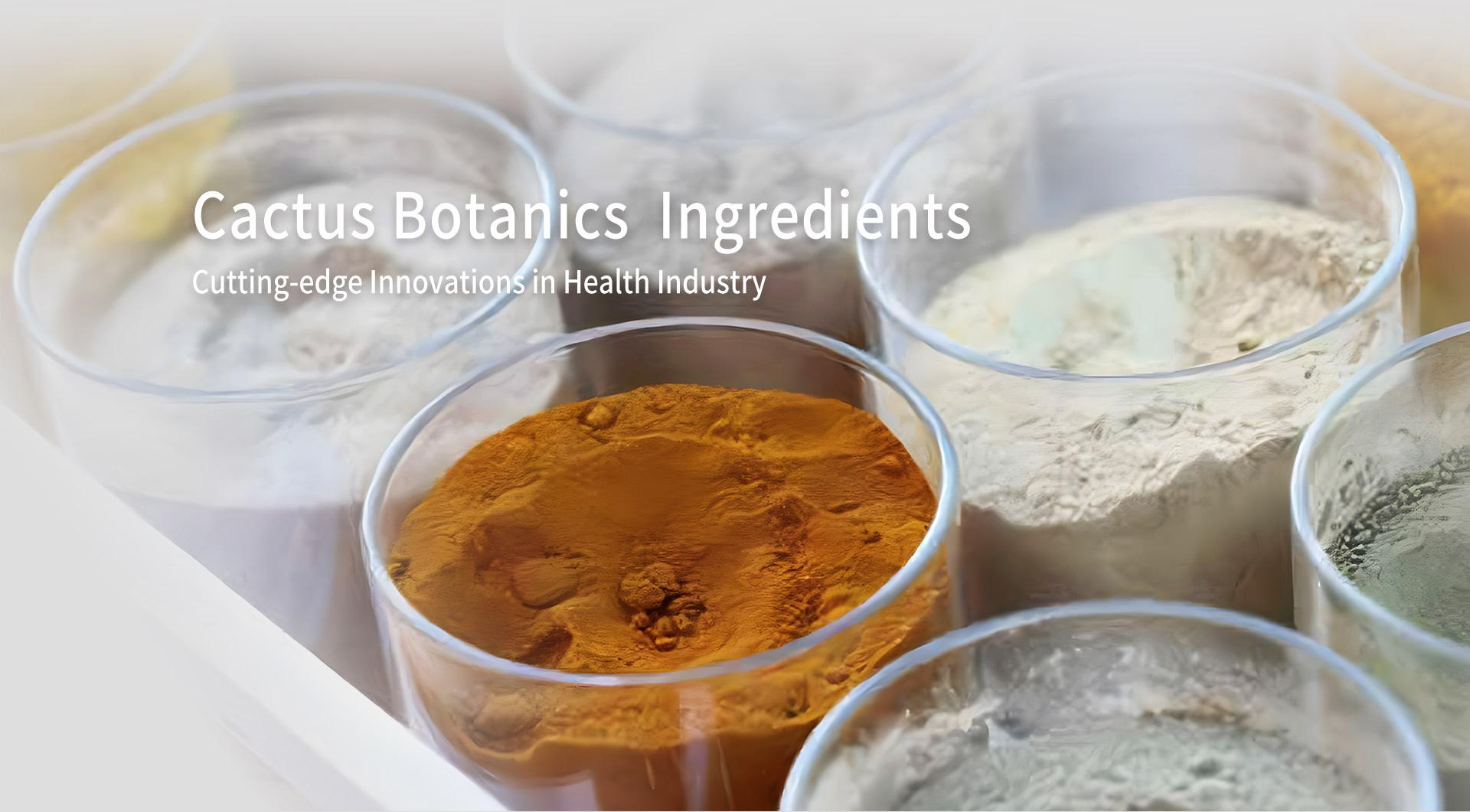
To maintain high Information Gain and uphold Google's E-E-A-T (Experience, Expertise, Authoritativeness, and Trustworthiness) standards, Cactus Botanics provides complete technical transparency across our entire catalog of natural antioxidant ingredients. Below is a comprehensive analysis of key raw materials engineered for wholesale procurement.